
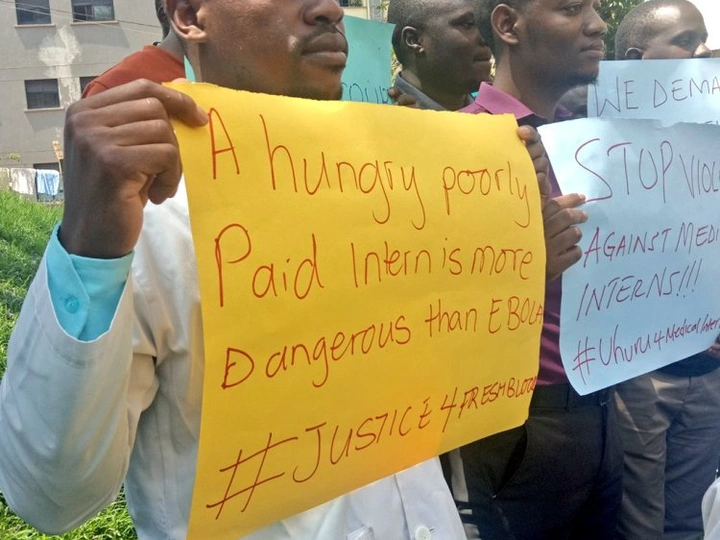
The government has announced that medical interns will no longer receive monthly allowances starting August 2026, following a major reform that integrates internship training into university medical degree programs.
Under the new arrangement, medical students will complete their internship before graduation, extending the duration of training to six years. The policy was approved by Cabinet in 2024 and jointly developed by the Ministries of Health and Education.
According to health officials, the reform is intended to strengthen medical training by ensuring students complete both academic and practical requirements before qualifying as doctors. Authorities say the previous system allowed students to graduate before finishing hospital-based internship training, creating gaps in accountability and professional supervision.
The revised framework will require universities to submit lists of eligible final-year students to professional regulatory councils. The councils will then issue provisional licenses, allowing students to undertake supervised clinical placements in accredited health facilities.
Throughout the internship period, students will be assessed during various hospital rotations. Only those who successfully complete the program will be awarded degrees and granted full licenses to practice.
One of the most significant changes concerns financial support. The government currently pays medical interns a monthly allowance of Shs2.5 million. However, this support will end once the new policy takes effect.
Government-sponsored students may still receive non-cash assistance such as accommodation, meals, or transport where health facilities are unable to provide these services. Privately sponsored students will be expected to meet all internship-related costs themselves.
Health authorities say resources saved from the discontinued allowances will be redirected toward specialist medical training, an area where Uganda continues to face shortages. Plans are also underway to accredit additional internship centers and recruit more supervisors to improve training quality and reduce congestion at existing facilities.
The policy has nevertheless sparked concern among medical students and healthcare professionals.
Student leaders argue that internship remains one of the most demanding phases of medical training, often involving long working hours, emergency duties, and overnight shifts. They warn that removing financial support could place significant strain on trainees and potentially affect the quality of healthcare services.
Medical practitioners have also questioned the manner in which the reforms were introduced, arguing that key stakeholders, including students, universities, and professional associations, were not adequately consulted.
Critics further contend that requiring students to complete an additional year of intensive clinical work without direct financial support may create challenges for many aspiring doctors and raise concerns about welfare, licensing procedures, and career development opportunities.
Despite the criticism, government officials maintain that the changes are necessary to improve the quality of medical training and produce better-prepared healthcare professionals for the country.
Got a Story, Advert, or Announcement?
Onion accepts sponsored content, adverts, and news tips.
📧 Email: [email protected]
📱 WhatsApp: +256 787888277