
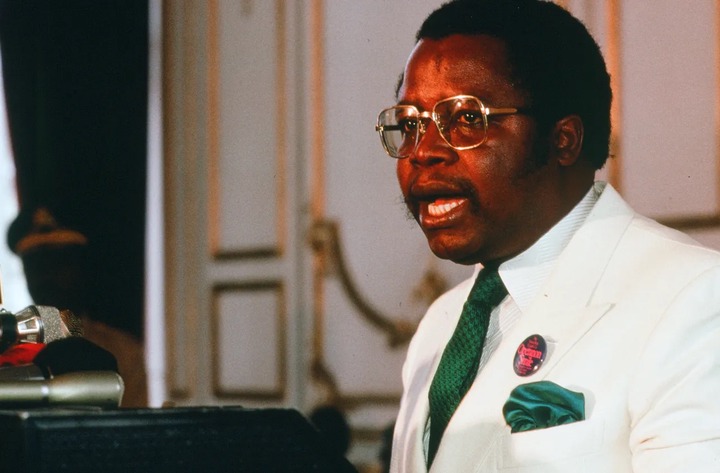
Samuel Kanyon Doe, Liberia’s 21st president, met one of the most brutal ends suffered by any African leader when he was captured, tortured and killed during the country’s first civil war in 1990.
Doe, a military officer, first seized power in April 1980 after leading a coup that overthrew and killed President William Tolbert, ending more than a century of rule by the Americo-Liberian political elite. Following the coup, he headed the country as chairman of the People’s Redemption Council (PRC) before becoming Liberia’s first indigenous president after winning the 1985 elections. He officially assumed the presidency in January 1986.
His administration was marked by allegations of corruption, human rights abuses and growing ethnic divisions. By the late 1980s, Liberia had descended into conflict as rebel groups launched an armed uprising against his government.
In September 1990, with rebel forces controlling much of Monrovia, Doe left the heavily guarded Executive Mansion and travelled to the headquarters of the Economic Community of West African States Monitoring Group (ECOMOG), a regional peacekeeping force deployed to help stabilize the country.
During the visit, fighters loyal to rebel commander Prince Yormie Johnson of the Independent National Patriotic Front of Liberia (INPFL) launched an attack on the peacekeeping headquarters and captured Doe.
He was taken to Johnson’s base, where he was severely beaten and tortured. Widely circulated video footage recorded during his captivity showed the injured president being interrogated while suffering extensive abuse. The footage also documented the mutilation of his body before he eventually died from his injuries.
Following his death, multiple historical accounts and witness reports alleged that some fighters involved in the attack committed acts of cannibalism involving parts of Doe’s body. These reports have been widely referenced in accounts of the Liberian civil war, although the extent of the acts has remained difficult to independently verify.
Doe’s killing became one of the defining moments of Liberia’s first civil war, a conflict that, together with the second civil war, claimed an estimated 250,000 lives, displaced hundreds of thousands of people and devastated the country’s economy and infrastructure.
His death marked the collapse of his government but did not bring peace to Liberia. Instead, the country remained trapped in years of brutal fighting between rival armed factions before the wars finally ended in 2003.
Got a Story, Advert, or Announcement?
Onion accepts sponsored content, adverts, and news tips.
📧 Email: [email protected]
📱 WhatsApp: +256 787888277