
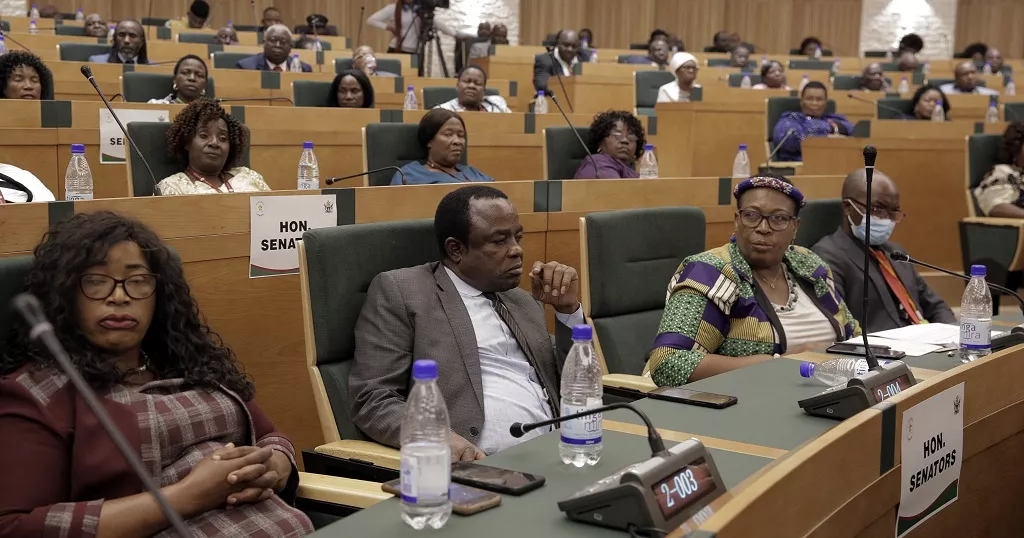
Zimbabwe is facing renewed controversy after allegations have emerged that Members of Parliament are demanding between USD 50,000 and USD 200,000( up to Ugx 752,930,600) to support proposed constitutional amendments currently under consideration. The claims have intensified public debate over the integrity of the constitutional reform process and broader concerns about corruption in governance.
Prominent Zimbabwean Pan-Africanist and public commentator Joshua Maponga has accused legislators of placing personal financial gain above national interest, saying the reform process has been compromised by bribery demands within Parliament.
The allegations come amid debate over the Constitution of Zimbabwe Amendment Bill No. 3, which proposes major changes including extending the terms of the President, Members of Parliament, and local government officials from five years to seven years. The reforms also reportedly include shifting from direct presidential elections to a parliamentary selection system.
Speaking during an Interview with fellow Pan-Africanist Andrew Irumba Katusabe, Chairperson and Speaker of the Pan African Pyramid (PAP), Maponga said some lawmakers were demanding large sums to support the changes.
“Our politicians don’t care about the Constitution. They don’t care about the people. They don’t care about the government. They only care about themselves. They’re demanding USD 200,000 to change Cap three of the constitution,” Maponga alleged.
He warned that corruption within Parliament undermines democratic governance, arguing that those entrusted with protecting the Constitution may instead be exploiting it for personal benefit.
“When people who are supposed to protect the Constitution are demanding corruption at this level, what is left?” he asked.
Maponga further said corruption is not limited to the executive branch but extends across Parliament and oversight institutions, weakening accountability and public trust in governance.
Government officials supporting the amendments argue that longer electoral cycles would reduce political tensions linked to frequent elections and improve long-term planning under national development frameworks such as Vision 2030.
However, critics say the proposals could weaken democratic accountability and concentrate power within the executive, while also raising concerns over changes to voter registration systems and judicial appointment processes.
Opposition parties and civil society groups argue that extending leadership terms without fresh electoral mandates undermines democratic principles and citizens’ right to choose their leaders.
Maponga warned that growing frustration over governance failures reflects a wider continental challenge, cautioning that exclusion from meaningful political participation could fuel instability and unrest.
Got a Story, Advert, or Announcement?
Onion accepts sponsored content, adverts, and news tips.
📧 Email: [email protected]
📱 WhatsApp: +256 787888277