
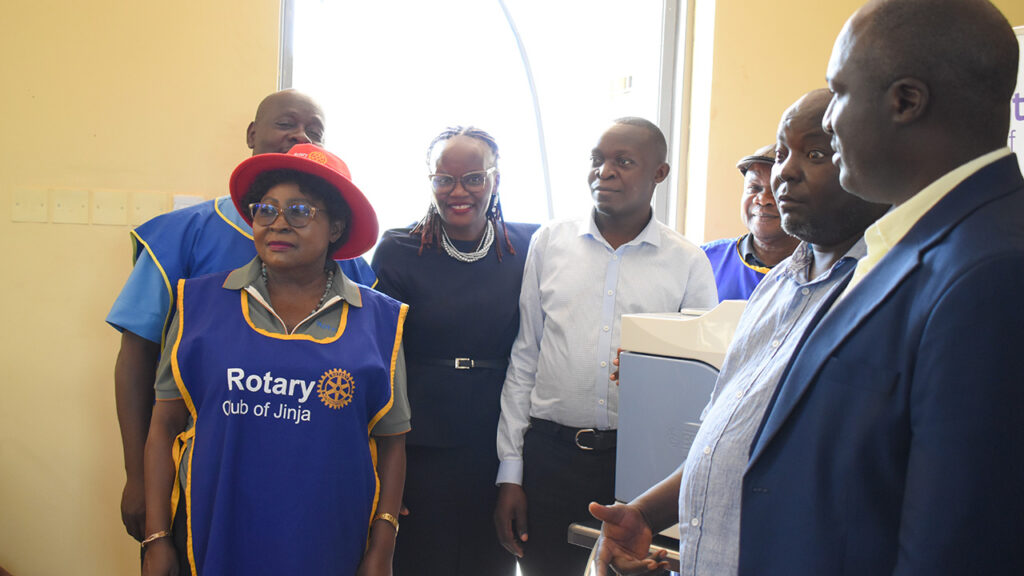
A Shs1.5 billion initiative is helping Kyabirwa Surgical Center and four other hospitals expand access to mesh-based hernia surgery, improve patient safety, and reduce one of the region’s most common unmet surgical needs.
For many patients arriving at Kyabirwa Surgical Center, a hernia is not simply a medical diagnosis. It is months or years of discomfort. A farmer who can no longer dig. A trader struggling to lift merchandise. A father unable to perform the physical work his family depends on.
In Busoga and much of rural Uganda, untreated hernias remain one of the most common surgical conditions affecting working-age adults. Yet many patients continue to delay treatment because surgery is either unavailable, too expensive, or offered using techniques that carry a higher risk of recurrence.
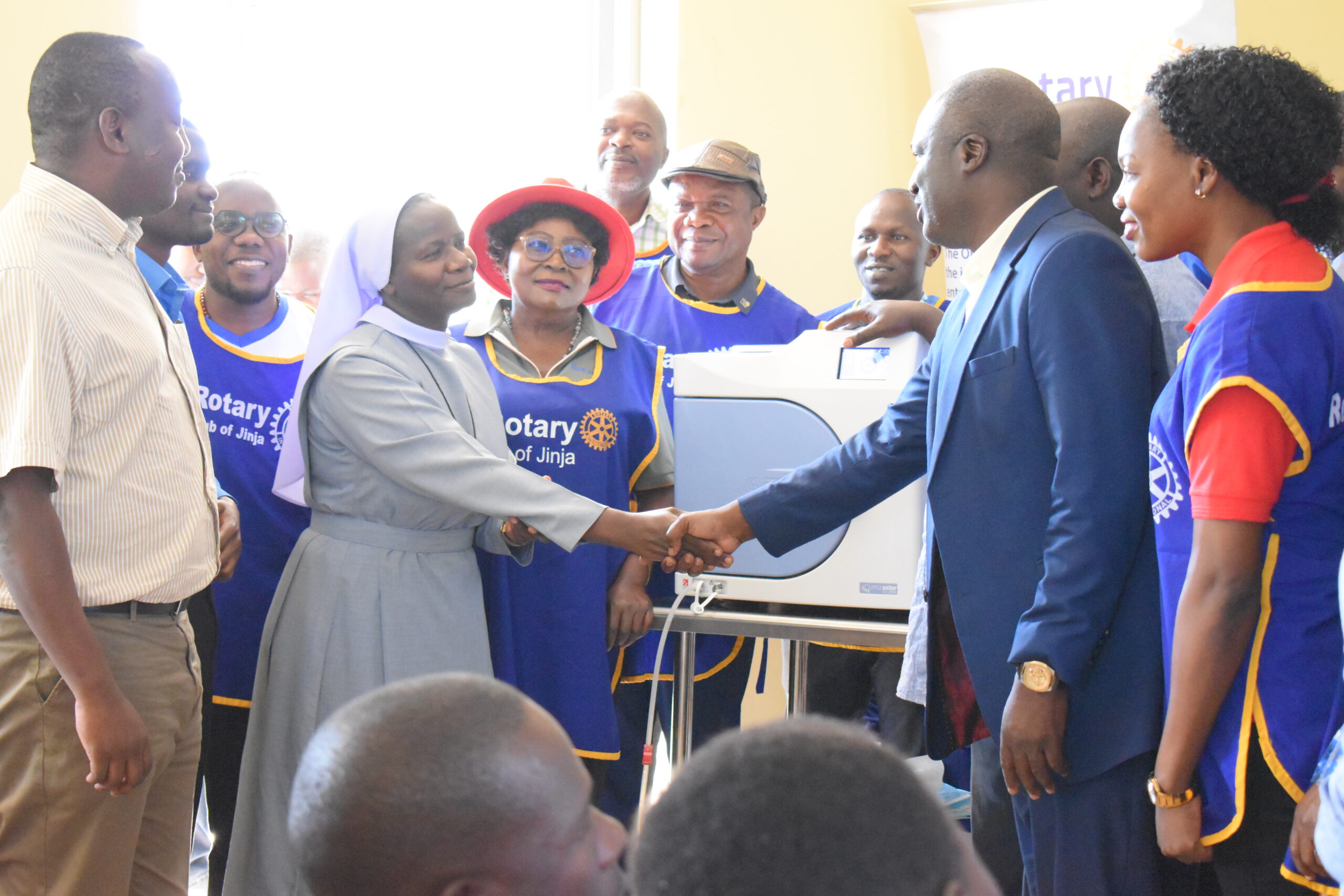
That reality may begin to change following the launch of the Hernia Aid Global Grant GG2686728, a Shs1.5 billion initiative led by the Rotary Club of Jinja in partnership with Hernia International, The Rotary Foundation, the Rotary Club of Sidmouth in the United Kingdom, and five beneficiary hospitals across Eastern and Central Uganda.
Among them is Kyabirwa Surgical Center, a facility that has increasingly become a referral point for surgical care in the Busoga sub-region. For the Centre, the project addresses one of the most pressing challenges it faces.
According to Anna Turumanya Kalumuna, Executive Director of Kyabirwa Surgical Center, hernia procedures account for nearly 80 percent of surgical demand in the communities served by the facility.
“This generous partnership with Hernia International and the Rotary Club of Jinja marks a transformative milestone for Kyabirwa Surgical Center,” she said, noting that the support will strengthen the Centre’s ability to provide safe and affordable surgery while reducing dependence on costly imported materials.

A significant part of the project focuses on mesh-based hernia repair, the approach widely regarded as the international standard of care.
Unlike traditional tissue repairs that rely solely on sutures, mesh repairs reinforce weakened abdominal walls and dramatically reduce the likelihood of recurrence. Yet access to mesh remains one of the biggest barriers for patients and hospitals alike.
Commercially manufactured mesh is often too expensive for many patients seeking care in rural Uganda. As a result, some facilities continue to rely on older repair methods despite evidence showing higher recurrence rates.
Dr Damoi Okello Joseph, Head of Surgery at Kyabirwa Surgical Center, says the consequences are seen regularly in operating theatres. Many of the recurrent hernias treated at the Centre, he explained, originate from repairs performed without mesh.
“Scientific evidence clearly shows that non-mesh repairs carry significantly higher recurrence rates,” he said.
“At Kyabirwa Surgical Center, we regularly manage recurrent hernias, which are far more complex and costly to treat than primary cases.”
The new project seeks to address that gap by supporting local production and preparation of low-cost polyethylene mesh, allowing hospitals to offer mesh repairs at substantially lower cost.
Dr Okello believes the shift could raise the standard of hernia care across the region.
“The availability of low-cost, locally produced mesh will allow facilities across the sub-region to transition to the gold-standard mesh repair technique,” he said.
“Studies have demonstrated that mesh repairs can reduce recurrence rates to less than one percent.
For patients, the implications are straightforward: fewer repeat surgeries, shorter recovery periods, and lower overall treatment costs.
The project extends beyond surgical materials. Participating facilities will receive Eschmann SES3000B autoclaves, water distillers, surgical instruments, sterilization supplies, monitoring tools, and technical support aimed at strengthening infection prevention and control.
These investments may not attract the same attention as surgery itself, but they are critical to patient safety.
At Kyabirwa Surgical Center, the introduction of improved sterilization systems will be accompanied by training for nurses, surgeons, and biomedical engineers responsible for maintaining the equipment.
Ambrose Nuwahereza, the Centre’s Director of Nursing, says the value of the initiative lies as much in knowledge transfer as it does in hardware.
“This invaluable partnership presents a significant investment in patient safety and quality health care delivery,” he said.
“The knowledge transfer will empower surgical teams with practical and sustainable skills that are both cost effective and adaptable to our local healthcare settings.”
The training programme has been designed with longevity in mind. Rather than relying on visiting medical teams, the project aims to strengthen the capacity of local professionals to provide ongoing services, maintain equipment, and uphold quality standards long after grant funding has ended.
Across the five participating hospitals, project partners expect approximately 4,000 affordable hernia repairs to be performed.
For communities where untreated hernias often mean lost productivity and reduced household income, the benefits extend beyond health. A successful operation can allow a patient to return to work, support a family, or resume farming activities that were previously impossible.
Speaking at the launch in Kamuli, the district’s LC5 Chairperson, Kaloli Dhizaala, welcomed the initiative and encouraged residents to utilise the services available through the beneficiary facilities.
He thanked the partners behind the project and urged communities to take advantage of the opportunity to effectively “kick out hernia” from the region.
At Kyabirwa Surgical Center, the expectation is that the programme will help address a long-standing backlog while creating a more affordable pathway to treatment for future patients.
For a region where hernia surgery remains one of the largest unmet surgical needs, that may prove to be the project’s most important contribution.
The equipment will eventually age. The grant will eventually conclude.
But if more hospitals can consistently perform safe, affordable mesh-based repairs using locally available resources and locally trained professionals, the effects are likely to outlast the funding itself.
For patients across Busoga, that could mean earlier treatment, fewer complications, and access to a standard of surgical care that has often remained beyond reach.
Got a Story, Advert, or Announcement?
Onion accepts sponsored content, adverts, and news tips.
📧 Email: [email protected]
📱 WhatsApp: +256 787888277