
KAMPALA, UGANDA — The Uganda Wildlife Authority (UWA) has clarified its position on the sale of bushmeat in Uganda following growing public concern sparked by a viral social media discussion questioning how restaurants can serve wild meat while conservation agencies work to protect declining wildlife populations.
The debate gained traction after an X user raised concerns about a restaurant allegedly selling bushmeat, arguing that demand for such meat fuels poaching and undermines conservation efforts.
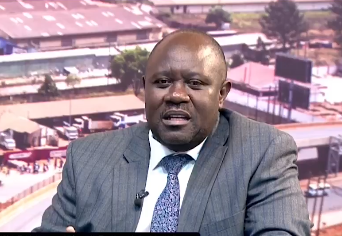
Responding to the concerns during an appearance on UBC TV, UWA Executive Director Dr. James Musinguzi said the restaurant at the center of the discussion is operating legally under a wildlife utilization licence issued by the authority.
“The law provides for sustainable wildlife utilization, and it provides for wildlife user rights classes,” Dr. Musinguzi said. “Any individual in Uganda is free to come and carry out sustainable wildlife utilization using the different classes of wildlife user rights that have been established.”
He explained that Uganda’s wildlife laws allow licensed activities such as wildlife trade, ranching, farming, tourism, recreation, and even keeping certain wildlife as pets under regulated conditions.
Addressing the specific restaurant mentioned on social media, Dr. Musinguzi said the establishment had been authorized to import wild meat rather than source it from Uganda’s wildlife populations.
“The restaurant being talked about, and I want to look into the camera, was licensed to import wild meat. This is not meat that is got within Uganda. No. It is wild meat that is imported from South Africa, Namibia and Botswana,” he said.
According to Dr. Musinguzi, UWA licensed the restaurant to import up to 800 kilograms of wild meat during 2026 and closely monitors the shipments from the point of entry into the country.
“For example, we licensed that restaurant to import 800 kilograms of meat for the whole year of 2026, and we monitor that all through the border as they bring it,” he added.
The clarification comes at a time when conservation advocates are increasingly calling for stronger action against illegal wildlife trade and the markets that create demand for poached animals.
Earlier on Wednesday, Dr. Musinguzi also highlighted a major development in Uganda’s fight against wildlife crime, announcing that the country now has a Wildlife DNA Forensic Laboratory capable of identifying animal species and tracing the origin of suspected wildlife products.
The facility is expected to strengthen investigations, improve enforcement efforts, and support the prosecution of wildlife-related crimes by providing scientific evidence.
Conservationists argue that while efforts to protect wildlife within national parks have intensified, illegal hunting outside protected areas remains a significant challenge. They say reducing demand for illegally sourced bushmeat is critical to safeguarding wildlife populations and preserving conservation gains made by government agencies and local communities.
The latest debate has reignited broader questions about the balance between sustainable wildlife utilization, which is permitted under Ugandan law, and the need to prevent illegal hunting that threatens wildlife populations across the country.
UWA maintains that licensed and regulated wildlife products differ significantly from illegally sourced bushmeat and that strict monitoring mechanisms are in place to ensure compliance with conservation laws.
Got a Story, Advert, or Announcement?
Onion accepts sponsored content, adverts, and news tips.
📧 Email: [email protected]
📱 WhatsApp: +256 787888277