
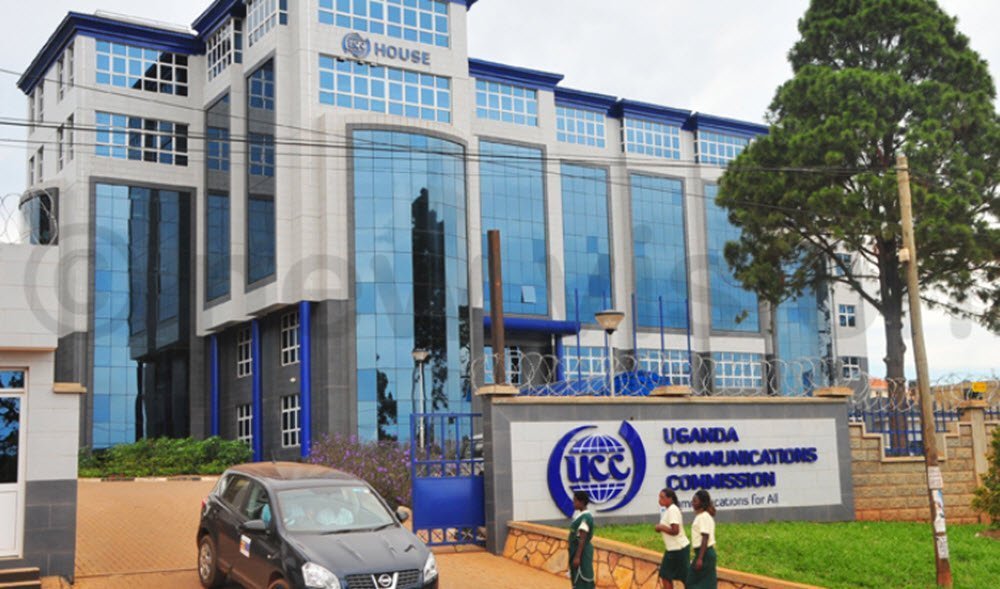
The Uganda Communications Commission (UCC) is expected to issue its decision on June 30, 2026, in a case that has drawn significant public interest following complaints filed by Pastor Robert Kayanja’s legal team against KTV and Pastor Jackson Senyonga.
The complaints stem from broadcasts aired by KTV and statements made by Pastor Senyonga regarding court proceedings in the ongoing case involving Ssentongo Reagan. Kayanja’s lawyers accuse the broadcasters of publishing misleading information related to evidence and testimony presented before the court.
However, both KTV and Pastor Senyonga have strongly defended their coverage, insisting that their reporting and commentary were based on matters discussed in open court and information available to the public.
Among the disputed broadcasts is a programme aired on KTV on March 19, 2026, hosted by journalist Annet Nakayibale. Another complaint concerns a broadcast by Pastor Senyonga on March 20, while a separate complaint targets a video he later shared on TikTok.
Supporters of KTV and Pastor Senyonga argue that the complaints appear to be an attempt to silence media scrutiny and public discussion surrounding a case that has attracted widespread national attention.
In its formal response submitted to UCC, KTV maintained that its reporting was accurate, balanced, and based on court proceedings. The station rejected claims that it had falsely reported any allegations against Pastor Kayanja and provided transcripts of the disputed programme in both Luganda and English to support its position.
“KTV’s reporting was a fair and accurate reflection of matters raised in court,” the broadcaster stated.
The station further emphasized that its role as a media house is to inform the public about matters of public interest and that it acted within the standards expected of responsible journalism.
Pastor Senyonga’s defense, submitted through Top TV, also challenged the complaints, arguing that Kayanja’s legal team failed to clearly identify specific statements that were allegedly false or misleading.
According to the response, the broadcasts sought to provide viewers with an overview of court developments and public discussions surrounding the case rather than reproduce court testimony word for word.
Senyonga’s supporters have also raised concerns about what they describe as selective targeting of certain media outlets while ignoring reports from other broadcasters. They pointed to coverage aired by Channel 44 TV, which they claim inaccurately interpreted comments made by a magistrate during proceedings at Mengo Court.
The dispute has since evolved into a broader debate about media freedom, public accountability, and the right of journalists and commentators to report on ongoing court matters without fear of intimidation.
Observers note that the case could set an important precedent for how broadcasters cover high-profile legal proceedings in Uganda. The outcome may also clarify the boundaries between media commentary, court reporting, and regulatory oversight.
UCC has directed all parties to submit any final evidence and submissions by June 15 before the commission reviews the available material and issues its ruling at the end of the month.
As the country awaits the decision, supporters of KTV and Pastor Senyonga remain confident that the evidence submitted will demonstrate that the broadcasts were conducted within the bounds of professional journalism and the public’s right to information.
Got a Story, Advert, or Announcement?
Onion accepts sponsored content, adverts, and news tips.
📧 Email: [email protected]
📱 WhatsApp: +256 787888277