
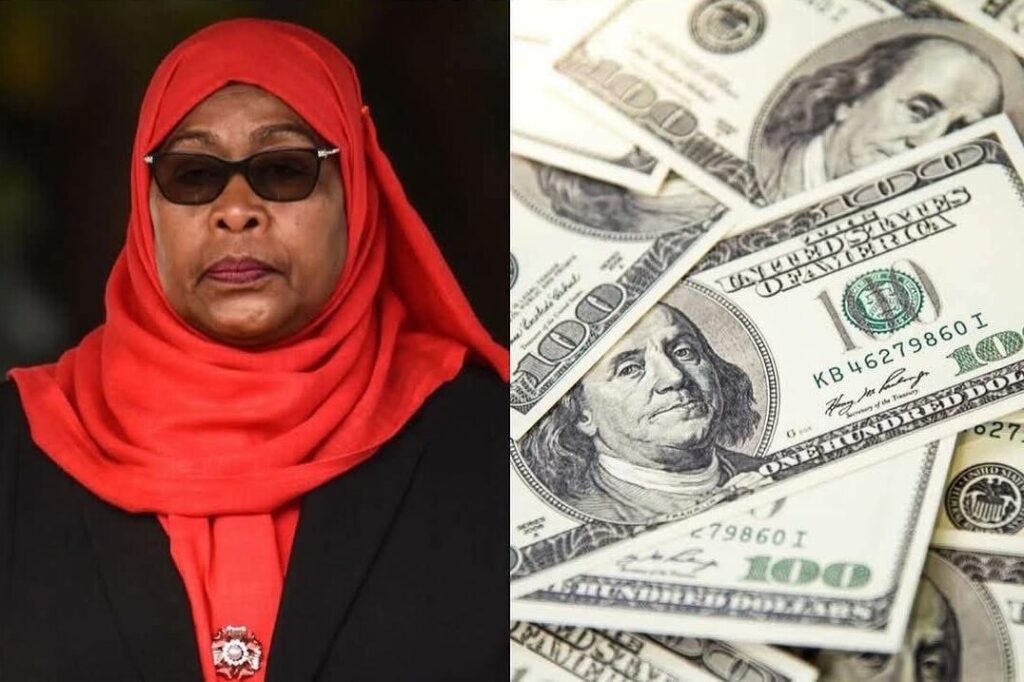
The Tanzanian government has officially outlawed the use of foreign currencies, including the US dollar and euro, for domestic transactions in a move aimed at strengthening the country’s currency and improving economic stability.
Under new regulations that took effect on March 28, all payments for goods and services within Tanzania must be made in Tanzanian Shillings (TZS). Businesses are no longer allowed to price, advertise, quote, or accept payments in foreign currencies.
The policy comes as the Tanzanian shilling faces mounting pressure. According to recent financial data, the currency has lost more than 10 percent of its value against the US dollar, making it one of Africa’s weakest-performing currencies in recent months.
Government officials say the new measures are intended to reinforce confidence in the local currency, improve the effectiveness of monetary policy, and reduce pressure on the country’s foreign exchange reserves.
The depreciation of the shilling has been linked to rising import demand and large infrastructure projects that require significant foreign financing. These include a major oil pipeline connecting Uganda to Tanzania and the expansion of port facilities along the Indian Ocean coast.
Authorities believe widespread use of foreign currencies in sectors such as tourism, real estate, and high-value trade has weakened demand for the shilling and contributed to exchange rate challenges.
Businesses with existing contracts denominated in foreign currencies have been given until March 2026 to convert them into Tanzanian shillings, unless granted special approval by the Ministry of Finance. The Bank of Tanzania has been tasked with enforcing the regulations and may impose penalties, including fines and licence suspensions, on those who fail to comply.
Despite the restrictions, some exceptions remain. Foreign visitors and non-residents will still be allowed to make payments in foreign currencies for approved services, provided transactions are processed through authorised channels and converted at official exchange rates.
Diplomatic missions, international organisations, and certain externally financed transactions will also continue to operate under separate arrangements.
The government says it will support the new policy through measures aimed at boosting exports, reducing reliance on imports, and increasing purchases of gold and foreign currency reserves.
Tanzania joins a growing number of African countries seeking to strengthen their local currencies through tighter monetary controls and reduced dependence on foreign currencies in domestic markets.
Got a Story, Advert, or Announcement?
Onion accepts sponsored content, adverts, and news tips.
📧 Email: [email protected]
📱 WhatsApp: +256 703195271