Author: ankhh

  • Here is Why You Should Not Use Your Phone Soon After Waking Up In The Morning

    Here is Why You Should Not Use Your Phone Soon After Waking Up In The Morning

    For many of us, the smartphone is the first thing we reach for upon waking, often before we’ve even had a chance to stretch or sip a glass of water. The lure of notifications, social media feeds, and unread emails is powerful, pulling us into a digital whirlwind the moment our eyes open. While this habit may feel like second nature, it can have subtle yet significant consequences for your mental, physical, and emotional well-being. Below, we explore five compelling reasons why starting your day with your phone might not be the healthiest choice and offer insights into how to reclaim your mornings for a more balanced start.

    1. Your Mind Deserves a Calm Start

    The moments after waking are a precious opportunity to ease into the day with clarity and calm. However, diving into your phone—whether it’s checking texts, scrolling through social media, or reading the latest news—can jolt your brain into overdrive. The flood of information, from trending posts to urgent work emails, bombards your mind with stimuli before you’ve had a chance to center yourself. This immediate exposure to external noise can trigger stress or anxiety, setting a frantic tone for the day. Instead of waking up to a moment of peace, you’re thrust into a reactive state, which can subtly erode your mental resilience over time. By delaying phone use, you give your mind space to wake up gently, fostering a sense of calm that carries into your day.

    2. It Disrupts Your Morning Routine

    Mornings are a critical time to establish a positive rhythm for the hours ahead. Simple rituals like stretching, meditating, drinking water, or savoring a quiet moment can ground you and boost your mood. However, reaching for your phone often derails these intentions. What begins as a “quick glance” at notifications can easily spiral into 20 minutes of scrolling, leaving little time for meaningful self-care. This rushed start can make you feel scattered or irritable, as the time meant for nurturing yourself is swallowed by digital distractions. By prioritizing phone-free morning habits, you can reclaim this golden window to build a routine that energizes and prepares you for the day’s challenges.

    3. It Sabotages Your Productivity

    Time is a precious resource, especially in the morning when your mind is fresh and focused. Yet, the temptation to check your phone can turn a planned five-minute scroll into a half-hour detour through social media or email threads. This not only eats into time that could be used for planning, journaling, or tackling high-priority tasks but also sets a distracted tone that lingers throughout the day. The constant ping of notifications fuels a craving for dopamine, making it harder to concentrate on meaningful work. Studies suggest that it takes about 23 minutes to fully regain focus after a distraction, meaning that early phone use can disrupt your productivity long after you’ve put the device down. Starting your day with intention, free from digital interruptions, can help you stay on track and accomplish more.

    4. It Takes a Toll on Your Body

    Grabbing your phone first thing in the morning doesn’t just affect your mind—it can also impact your physical health. Staring at a bright screen, especially in a dimly lit room, strains your eyes and may disrupt your circadian rhythm, the body’s internal clock that regulates sleep and wakefulness. The blue light emitted by phones suppresses melatonin production, potentially confusing your body about when it’s time to be alert. Additionally, hunching over your phone while still in bed can lead to neck and shoulder stiffness, contributing to poor posture over time. These physical effects may seem minor in the moment, but repeated daily, they can lead to chronic discomfort or even long-term issues like tension headaches or spinal misalignment. Giving your body a screen-free start allows it to wake up naturally and maintain better physical alignment.

    5. It Strains Your Relationships

    The first moments of your day are an opportunity to connect with those around you—whether it’s a partner, child, roommate, or even a pet. Yet, when your phone takes priority, these small but meaningful interactions often fall by the wayside. Choosing to scroll through notifications instead of sharing a morning greeting or a quiet moment with loved ones can create an emotional distance over time. Relationships thrive on consistent, intentional connection, and those early morning interactions set the tone for how you engage with others throughout the day. By prioritizing screen time over human connection, you may inadvertently signal that your device is more important than the people in your life, potentially weakening those bonds. A phone-free morning allows you to nurture these relationships and start the day with warmth and presence.

    Breaking the Habit

    Breaking the cycle of morning phone use doesn’t require drastic changes but rather small, intentional adjustments. Start by keeping your phone out of arm’s reach—perhaps across the room or in a drawer—to reduce the temptation to check it immediately. Replace the habit with a grounding ritual, such as deep breathing, journaling, or a quick stretch. Setting a specific time, like 30 minutes after waking, to check your phone can also help you ease into the day without feeling deprived of updates. Consider using an alarm clock instead of your phone to avoid the immediate pull of notifications. Over time, these changes can transform your mornings into a time of clarity and connection rather than distraction.

    A Healthier Way to Start Your Day

    Your morning routine sets the foundation for your mental, physical, and emotional well-being. By reaching for your phone first thing, you risk overloading your mind, derailing your routine, reducing productivity, straining your body, and missing out on meaningful connections. Instead, consider starting your day with intention—whether it’s a moment of mindfulness, a healthy breakfast, or a warm conversation with a loved one. These small choices can have a profound impact, helping you approach the day with focus, energy, and a sense of purpose. The notifications will still be there when you’re ready, but your mornings belong to you.

  • Retired Supreme Court Judge Prof. George W. Kanyeihamba Dies at 85

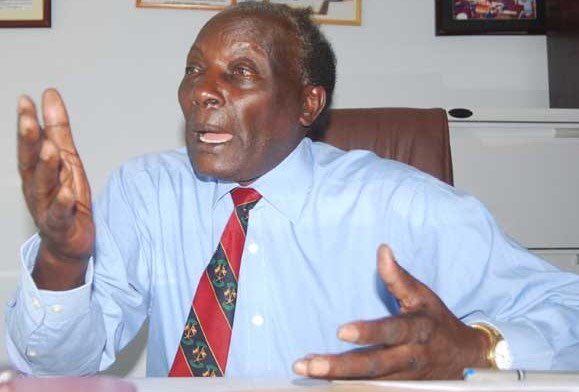
    Retired Supreme Court Judge Prof. George W. Kanyeihamba Dies at 85

    Renowned Ugandan legal scholar and retired Supreme Court Justice, Prof. George W. Kanyeihamba, has passed away this morning at Nakasero Hospital at the age of 85. While the precise details of his passing remain unconfirmed, sources indicate he had been receiving treatment in the Intensive Care Unit (ICU) for an extended period.

    Prof. Kanyeihamba was a towering figure in Uganda’s legal, academic, and political spheres. His distinguished career spanned roles as a Supreme Court Justice, Cabinet Minister, Member of Parliament, and a key contributor to the drafting of Uganda’s 1995 Constitution as Chair of the Legal Committee of the Constituent Assembly.

    Appointed to the Supreme Court in 1997, he served until his retirement in 2009. Before his judicial tenure, he held prominent positions in President Yoweri Museveni’s administration, including Minister of Commerce, Minister of Justice, and Attorney General. A PhD holder from the University of Warwick, he was later honored with an honorary Doctor of Laws (LLD) in 2008.

    Prof. Kanyeihamba’s judicial legacy is notably marked by his dissenting opinion in the 2006 presidential election petition. As one of three justices, he argued that irregularities in President Museveni’s re-election justified nullification—a stance widely believed to have cost him his position on the African Court on Human and Peoples’ Rights. His fearless independence also shone through in his public criticism of the Ugandan government following the unconstitutional armed invasion of the High Court by security forces to re-arrest treason suspects granted bail.

    A trailblazer in Uganda’s legal community, Prof. Kanyeihamba was the only sitting judge with a PhD at the time of his retirement, earning him widespread respect. Beyond the judiciary, he served as Chancellor of Kampala International University and Kabale University, and held numerous prestigious roles, including:

    • Member, Foundation for Human Rights Initiative

    • Chairman, Committee on Judges’ Terms and Conditions of Service

    • Legal Advisor to the President on Human Rights and International Affairs

    • Chairman, Board of Trustees, Kabale University

    • Chair, Legal and Drafting Committee of the Constituent Assembly

    • Chair, International Commission of Jurists Advisory Panel of Eminent Commonwealth Judicial Experts

    Prof. Kanyeihamba’s intellectual rigor, independence, and commitment to justice leave an enduring legacy in Uganda and beyond.

  • Doomsday Prophecy? City Pastor Claims August 2 Will Be the End of The World

    Doomsday Prophecy? City Pastor Claims August 2 Will Be the End of The World

    A Kenyan preacher, Dr. David Owuor, has stirred waves of curiosity, skepticism, and debate after allegedly predicting the exact date the world will end. According to a report circulated on various social media platforms, particularly by African Hub on X (formerly Twitter), the pastor claimed that August 2 of this year would mark the final day of humanity as we know it.

    The statement, bold and dramatic, has sparked a surge of conversation online, with thousands weighing in from across Africa and beyond. While some express fear or anticipation, many more have reacted with cynicism or outright disbelief. The reason is simple: claims of this kind have emerged before, and not one has ever proven true.

    Dr. Owuor’s declaration joins a long list of doomsday predictions that have failed to materialize. These forecasts, often rooted in religious beliefs or apocalyptic ideologies, capture public attention but rarely stand up to scrutiny. In this case, no verified evidence or theological consensus accompanies Owuor’s claim. Scientific bodies, religious authorities, and governments have offered no support for the idea that August 2 holds any global significance.

    This isn’t the first time such predictions have surfaced, especially in East Africa. In 2023, another Kenyan preacher, Paul Nthenge Mackenzie, became the center of an international scandal after leading hundreds of his followers into a deadly cult-like belief. Mackenzie, head of the now-banned Good News International Ministries, instructed his followers to starve themselves to “meet Jesus.” The tragedy resulted in the deaths of over 400 people and prompted a national reckoning about religious extremism in Kenya.

    The chilling incident underscored just how dangerous unfounded religious prophecies can become when combined with unchecked influence and a vulnerable following. It also served as a warning about the power of persuasive but unverifiable religious claims, especially when they promise answers to the world’s biggest mysteries.

    Elsewhere on the continent, similar apocalyptic warnings have come and gone. Earlier in 2024, a Nigerian pastor prophesied that the world would end on April 25. Despite attracting media attention and a degree of panic among some circles, the day came and passed like any other  just another in a long history of failed doomsday prophecies.

    These repeated failures beg an important question: why do such predictions continue to gain traction?

    Experts point to a combination of factors: fear of the unknown, religious fervor, distrust of institutions, and the human desire for meaning in chaotic times. In many cases, when communities face poverty, political instability, or rapid change, apocalyptic messages can feel like a strange kind of comfort, a way of making sense of the suffering around them. But such narratives often do more harm than good, distracting people from real issues and putting them at risk of manipulation.

    A Biblical Response to Predictions

    For many Christians, the very idea of someone predicting the exact date of the world’s end directly contradicts core Biblical teachings. One of the most frequently cited verses in response to such claims is Mark 13:32, which states: “But about that day or hour no one knows, not even the angels in heaven, nor the Son, but only the Father.” This passage alone casts doubt on anyone who claims to know the exact moment of humanity’s end, including pastors, prophets, or self-proclaimed messengers of God.

    Despite this, some religious leaders continue to make bold announcements, often framing them as divine revelations. Whether for attention, power, or genuine belief, the result is usually the same: public anxiety followed by disappointment or disillusionment.

    The Role of Social Media

    One reason these stories spread so quickly in recent years is the power of social media. Platforms like X, Facebook, and TikTok allow dramatic statements to reach millions in a matter of hours. When someone claims to know the “exact date” of the world’s end, it’s only a matter of time before it trends, especially if the person has a significant following.

    However, with influence comes responsibility. Many online users, including religious followers, may not have the tools or resources to fact-check these predictions. That’s why digital literacy and critical thinking are more important now than ever before.

    What Should People Do?

    In moments like these, it’s essential to respond with calm, clarity, and evidence. There is no scientific basis for Dr. Owuor’s August 2 prediction. Neither NASA nor any global astronomical authority has identified any threats to Earth on that date. Nor has any religious council affirmed the pastor’s message.

    As history has repeatedly shown, no one, no matter how revered or convincing, has accurately predicted the end of the world. Until such a day comes, if it ever does, humanity would be better served by focusing on solving real problems: poverty, conflict, inequality, and climate change. These are the challenges that demand action, not fear over unverified prophecies.


    In the end, while claims like Dr. Owuor’s may make headlines, they should be taken with caution and viewed through the lens of reason. Fear may trend fast, but truth always lasts longer.

  • Little Known Details Of How Hamis Kiggundu Became a Young Ugandan Billionaire From Poor Background

    Little Known Details Of How Hamis Kiggundu Became a Young Ugandan Billionaire From Poor Background

    Hamis Kiggundu, widely known as Ham, is one of Uganda’s most inspiring success stories, a young man who transformed a modest childhood into a billion-dollar empire. As a businessman, lawyer, author, and investor, his journey is a testament to what clear vision, relentless effort, and deep-rooted purpose can achieve.

    Born in 1984 in Kalungu, Masaka District, Ham grew up in a family where business was part of daily life. His parents, both textile traders, nurtured a strong work ethic and introduced him to the rhythms of entrepreneurship at an early age. By simply observing their resilience and negotiating skills in local markets, young Ham began developing an instinct for trade and value lessons that would later become the foundation of his empire.

    He pursued his education at Kabojja International School, one of the top schools in Kampala, and later graduated with a law degree from Makerere University. But even while studying, Ham’s heart was already in business. During school holidays, he used small amounts of capital provided by his parents to start trading goods. He began with simple products: garments, shoes, furniture, whatever he could buy from wholesalers and resell for a profit.

    It didn’t take long before he realized that relying on middlemen was eating into his margins. He took a bold step: flying to international markets like China, Thailand, Hong Kong, and Dubai to import goods himself. That single move changed everything. It allowed him to offer competitive prices while scaling his reach across East and Central Africa. Soon, his goods were not only flooding Ugandan markets but also being distributed wholesale in Kenya, Tanzania, Congo, South Sudan, and Burundi.

    Ham’s story could have stopped at trading, but his ambitions ran deeper. He understood the power of real estate to create long-term wealth and financial freedom. In 2009, using savings from his import business, he incorporated his own company, Ham Enterprises (U) Ltd, and ventured into property development.

    His first big project was Ham Towers, a multi-level commercial complex built right across from Makerere University. It became a landmark, attracting students, startups, retailers, and institutions. The success of Ham Towers opened new doors. With the rental income from this flagship building, he secured financing to build more, including Ham Shopping Mall in the heart of Kampala.

    Within just a few years, Ham had established himself as one of the youngest real estate magnates in the country. His properties were not just buildings; they were ecosystems, designed to bring together commerce, culture, and opportunity under one roof. He used his legal knowledge to structure his businesses efficiently and his street wisdom to navigate the challenging real estate landscape in Uganda.

    But real estate was still only the beginning.

    In 2018, Ham made another bold pivot. He shifted his focus to industrialization, particularly agro-processing and value addition. Uganda, like many African nations, had long exported raw materials and imported finished goods, a cycle that left farmers underpaid and the economy vulnerable. Ham decided to challenge that model.

    He launched Ham Agro-Processing Industries, a company aimed at adding value to agricultural products within Uganda before they hit the export market. This move was not just about business; it was about rewriting Uganda’s economic story. He invested in infrastructure, massive grain silos, and modern processing plants with the goal of reducing import dependence and empowering local farmers.

    As his business empire expanded, Ham also took on large-scale infrastructure projects. One of the most prominent was the redevelopment of Nakivubo Stadium into a modern sports and commercial complex. Funded privately but executed in partnership with the government, the project became a symbol of what local investors can achieve when they think big. Today, the stadium, a blend of sports and commerce, stands as one of the most advanced arenas in the region.

    But Hamis Kiggundu is not only a businessman, he is also a thinker and a storyteller. He has written motivational books that reflect the principles behind his rise. His first, “Success and Failure: Based on Reason and Reality,” became a national bestseller and was even adopted in Uganda’s schools. In it, he shares lessons on discipline, mindset, and rational thinking, rejecting luck as a factor in success and focusing instead on practical decisions and mental clarity.

    He followed this with “Reason as the World Masterpiece,” a deeper reflection on personal development, Africa’s challenges, and the importance of logical thinking over emotion. Through his books, he encourages young people to avoid shortcuts and to embrace critical thinking, patience, and long-term strategy.

    Beyond business and books, Ham’s influence extends into philanthropy. He has contributed to disaster relief, donated food during the pandemic, and supported thousands of struggling families. He has also played a role in urban development, offering displaced vendors new business spaces, supporting city beautification efforts, and donating seedlings to re-green Kampala’s streets.

    Hamis often says, “Success in a poor society is a liability.” For him, wealth without impact means little. His foundation focuses on education, health, and entrepreneurship, ensuring that his success lifts others as he rises.

    Today, in his early 40s, Hamis Kiggundu stands among the wealthiest individuals in Uganda, but he is more than just a billionaire. He is a symbol of possibility. His story proves that with grit, vision, and relentless belief, it’s possible to transform a small childhood hustle into a continent-shaping legacy.


    To every young African entrepreneur wondering if they can make it: Ham’s life is the answer.

  • Uganda Horror: Couple Trapped, Burnt to Death as Flames Engulf Home in Arson Nightmare

    Uganda Horror: Couple Trapped, Burnt to Death as Flames Engulf Home in Arson Nightmare

    Police in Rukungiri District, western Uganda, are investigating a suspected arson and murder case after a couple was found burnt to death in their home on Saturday morning. The incident, which has shocked the local community, occurred in Ncerere Village, Kabinga Parish, Buhunga Sub-county.

    The victims, Isaac Byamukama, 30, a boda boda rider, and his wife, Christine Akatuhurira, 27, were discovered dead inside their locked bedroom. Preliminary police findings suggest the fire was deliberately set, pointing to a possible act of foul play. The couple’s bedroom door was locked from the outside, leaving them with no means of escape as the flames consumed their home.

    Elly Maate, the police spokesperson for the Kigezi Region, described the incident as a barbaric act of malicious criminality. He confirmed that the police are treating the case as suspected arson and murder, with investigations underway to uncover the circumstances and identify those responsible. The police are working tirelessly to establish the facts and bring the perpetrators to justice, Maate said.

    Local authorities were alerted to the tragedy around 11:00 a.m. when a resident, Kariisa, reported seeing heavy smoke rising from the couple’s home. Lawrence Kaganga, the area chairperson, recounted the community’s desperate efforts to intervene. The front door was locked, and their phones were switched off, he said. The community had to break through a wooden side fence to access the house. The back door was open, but the bedroom was locked from the outside.

    Despite the community’s attempts to rescue the couple, they were unable to save them. By the time the fire was extinguished, Isaac and Christine were found dead, their bodies severely burnt, and all their belongings reduced to ash. The devastating scene left residents in disbelief and mourning.

    Police officers arrived at the scene shortly after, collecting evidence and recording statements from witnesses. The couple’s bodies were transported to Rwakabengo Health Centre III for postmortem examinations to determine the exact cause of death. As of Sunday, no arrests had been made, but the police urged the public to come forward with any information that could help the investigation. Even the smallest detail could lead to the suspects, Maate emphasized.

    The tragedy has heightened fears among residents, as violent crimes have been a growing concern in the Kigezi Region. During a recent case management session at Kabale High Court, Kigezi Regional Police Commander James Kawalya highlighted the region’s struggle with violence. While Rukungiri has seen a decline in murder cases, from six to fewer per month, neighboring Rubanda District has reported an average of four murders monthly. Kawalya pointed to domestic disputes, land conflicts, and robberies as key drivers of violence in the area.

    Kawalya urged residents to resolve conflicts peacefully and avoid vigilante justice, which only leads to further tragedy. People must use legal and peaceful means to address their grievances, he said. Taking the law into one’s own hands creates more pain and suffering.

    The deaths of Isaac and Christine have left a profound impact on Ncerere Village, with neighbors and community leaders expressing grief and calling for justice. The couple was known for their hard work and quiet lives, making their brutal deaths even more shocking. Residents have demanded swift action from the police to ensure those responsible are held accountable.

    As investigations continue, the police remain committed to uncovering the truth behind this horrific incident. The case has underscored the need for greater community awareness and cooperation to combat violent crime in the region. Authorities are hopeful that public assistance will lead to a breakthrough, bringing closure to the grieving community and ensuring such a tragedy does not happen again.

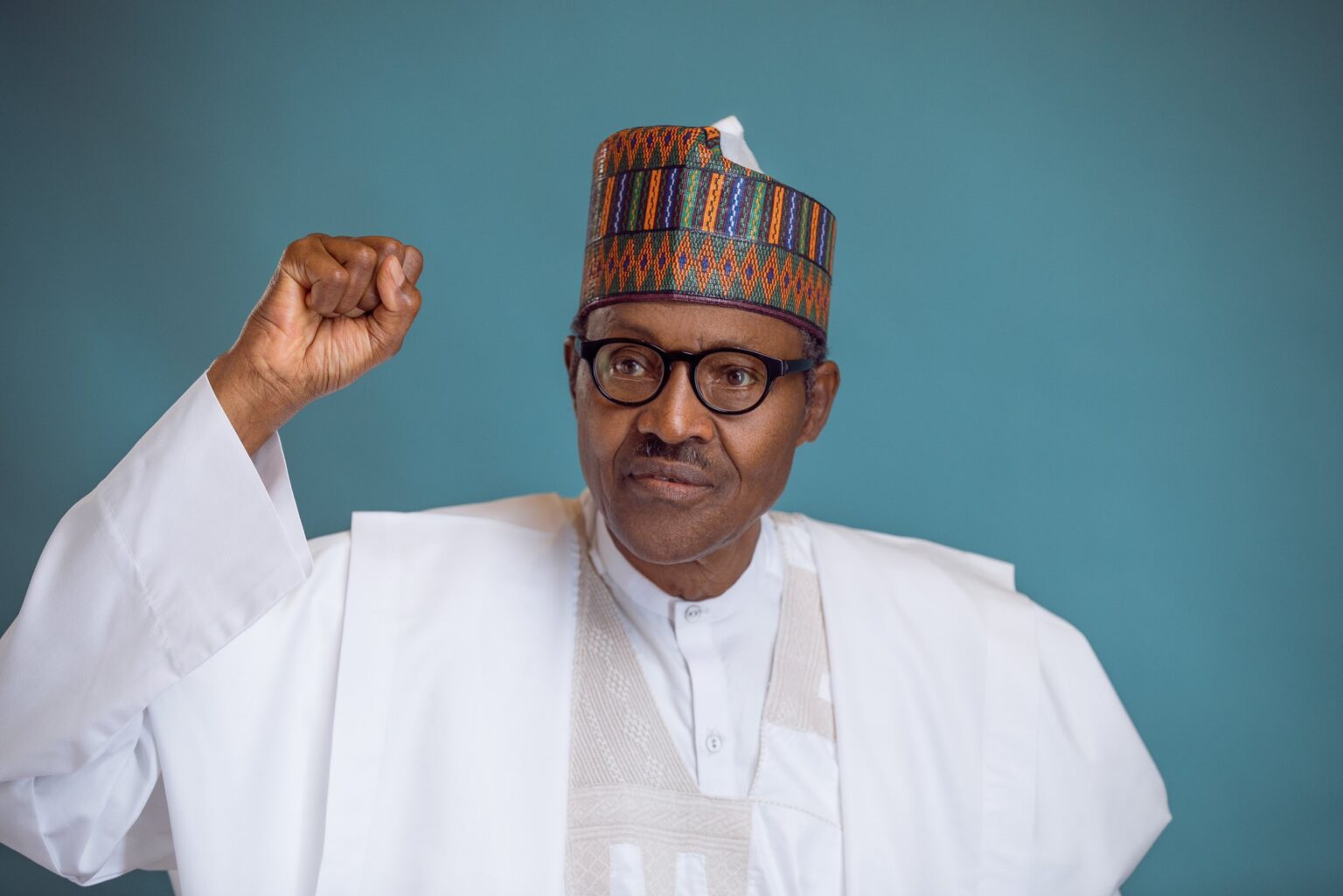
  • Muhammadu Buhari, Nigeria’s Former President, Dies at 82

    Muhammadu Buhari, Nigeria’s Former President, Dies at 82

    President Bola Ahmed Tinubu announced the passing of his predecessor, former President Muhammadu Buhari, who died on Sunday in London at approximately 4:30 p.m. local time after a prolonged illness. The announcement was made through a statement by presidential spokesperson Bayo Onanuga.

    President Tinubu expressed his condolences to the former president’s widow, Aishat Buhari, in a personal conversation, offering support during this period of grief. He described Buhari’s death as a significant loss to Nigeria, highlighting his contributions to the nation’s development and stability.

    Former President Buhari served as Nigeria’s president for two terms, from 2015 to 2023, having been elected in 2015 and re-elected in 2019. Before his democratic tenure, he was the military head of state from January 1984 to August 1985. His leadership, both as a military ruler and a civilian president, left a lasting impact on Nigeria’s political landscape, with policies aimed at addressing corruption, security challenges, and economic reforms.

    In a gesture of respect, President Tinubu ordered national flags to be flown at half-staff to honor the departed leader. He also directed Vice President Kashim Shettima to travel to the United Kingdom to accompany Buhari’s body back to Nigeria for burial arrangements.

    Buhari’s passing marks the end of an era for Nigeria, a country he led through turbulent times. His administration faced challenges such as the Boko Haram insurgency, economic recession, and widespread calls for restructuring. Despite criticisms, Buhari was praised by supporters for his anti-corruption stance and efforts to improve national security.

    As Nigeria mourns, President Tinubu has called for unity and reflection on Buhari’s legacy, urging citizens to honor his memory by continuing to work toward a stronger and more prosperous nation.

  • Signs To Show That A lady Is Crushing On You But Can not Tell you

    Signs To Show That A lady Is Crushing On You But Can not Tell you

    Sometimes, a woman might really like a man but not tell him directly. She could be scared of him saying no, feel shy, or not know if he likes her back. Instead of using words, her actions, body language, and small behaviors often show her true feelings. If you’re wondering if a woman has a secret crush on you, here are some clear signs to notice. Paying attention to these clues can help you understand her heart, even if she’s keeping quiet.

    One big sign is that she finds ways to be near you. She might join conversations you’re having, even if she wasn’t invited. You could notice her sitting close to you in a group or showing up at places where you are, like a coffee shop or a friend’s gathering. It might seem like a coincidence, but if it happens often, it’s likely on purpose. She wants to be around you because she feels drawn to you, even if she doesn’t say it.

    Another clue is that she gives you extra attention. She might laugh harder at your jokes, even if they’re not that funny. She could remember little things you’ve mentioned, like your favorite food or a story you told weeks ago. She might also offer to help you with things, like carrying something heavy or helping with a task, when she doesn’t do the same for others. This special treatment shows she cares about you more than she lets on.

    You might also notice nervous behaviors when she’s around you. For example, she could fidget with her hands, play with her hair, or blush when you talk to her. Sometimes, she might look at you but quickly turn away if you catch her staring. These actions happen because she feels excited or nervous around you, and she can’t fully control how her body reacts. Her heart might be racing, even if she seems calm on the outside.

    Another sign is subtle compliments. She might not say something bold like, “You’re amazing,” but she could mention how nice your shirt looks or how well you did something. These small praises show she’s noticing you and wants to make you feel good. She might also ask questions about your life, like what you did over the weekend or how your family is doing. This shows she’s interested in getting to know you better, even if she’s shy about it.

    Jealousy can be another clue, though she’ll try to hide it. If you’re talking to another woman, she might act a bit distant or quiet. She could cross her arms, look away, or seem less chatty than usual. This doesn’t mean she’s upset with you, but it might show she’s worried about losing your attention. She won’t admit she’s jealous, but her behavior might give it away.

    You might also notice she tries to look her best around you. She could wear nicer clothes, fix her hair more carefully, or put on a little extra makeup when she knows you’ll be there. This effort shows she wants you to notice her, even if she’s not saying it out loud. It’s her way of catching your eye without being obvious.

    Another sign is that she mirrors your actions. If you lean forward, she might do the same. If you laugh, she laughs too. This copying happens naturally when someone feels connected to you. It’s like her body is trying to show she’s in tune with you, even if she doesn’t realize she’s doing it.

    She might also find small ways to touch you, like brushing your arm during a conversation or giving you a quick hug. These touches are gentle and quick, but they show she feels comfortable and wants to be closer to you. It’s a sign she’s letting her guard down, even if she’s shy.

    Finally, she might share personal things with you that she doesn’t tell everyone. Maybe she talks about her dreams, fears, or a funny memory from her childhood. When she opens up like this, it means she trusts you and feels a special connection. It’s her way of letting you into her world, even if she’s nervous about it.


    Love can be quiet and shy, but it’s powerful. If you pay close attention to how she acts, you’ll see her feelings shining through. Her heart speaks through her actions, louder than any words could. If you notice these signs, it might mean she’s secretly crushing on you. Take it slow and be kind, because she might be nervous about how you feel. By watching for these clues, you can understand her heart and decide if you want to take the next step together.

  • ‘Drama at Wedding as Groom Collapses After Bride Reveals She has 4 Children With Different Men

    ‘Drama at Wedding as Groom Collapses After Bride Reveals She has 4 Children With Different Men

    A shocking event happened during a wedding in Nyansiongo ward, Borabu Constituency, Kisii County. The groom, Omwenga, fainted after his bride shared a big secret during their wedding ceremony.

    The wedding took place in a local Pentecostal church, with many guests watching. Everything was going well until the bride spoke during her vows. In an emotional moment, she told Omwenga she had four boys from a past relationship, aged between four and twelve years old. This was news to Omwenga, who didn’t know about her children.

    The groom looked stunned and confused. Suddenly, he fainted, falling to the ground in front of everyone. The guests, family, and church leaders rushed to help him. People were worried, and the church became chaotic as they tried to wake him up.

    After a few minutes, Omwenga opened his eyes but was still upset. He asked to stop the wedding because he needed time to think about what he just learned. The bride stood quietly, looking shaken by what happened.

    The guests had mixed feelings. Some felt sorry for Omwenga, saying the bride should have told him about her kids earlier. They thought it was unfair to share such big news at the altar. “You don’t hide something like that until the wedding day,” one guest said. “Trust is important in marriage, and this could hurt their relationship.”

    Others supported the bride. They said she might have been scared to tell Omwenga earlier because she didn’t want to lose him. “Maybe she thought he wouldn’t marry her if he knew about her kids,” a friend said. “It’s hard to share something so personal.” These people felt the bride meant well by being honest, even if she chose a bad time.

    The incident got people talking about trust and honesty in relationships. Many said couples should talk about important things, like having children, long before getting married. Some wondered if the bride felt pressured to keep her secret because she was afraid of being judged.

    When the wedding stopped, everyone left the church feeling unsure about what would happen next. No one knew if Omwenga and his bride would still get married or if this news would end their relationship. The bride’s four boys, who weren’t at the wedding, now became a big part of the couple’s future. People wondered if Omwenga would accept being a stepfather or if the shock was too much for him.

    The story spread quickly in Nyansiongo, and it made people think about how important it is to be open in relationships. Love is strong, but secrets can cause problems, especially when they come out at the wrong time. The couple’s future is unclear, but their story has already touched many people in the community.


    This event at the small church shows how one moment can change everything. It reminds everyone that being honest, even when it’s hard, is the best way to build a strong marriage. Whether Omwenga and his bride can move forward together is still unknown, but their story will stay with the community for a long time.

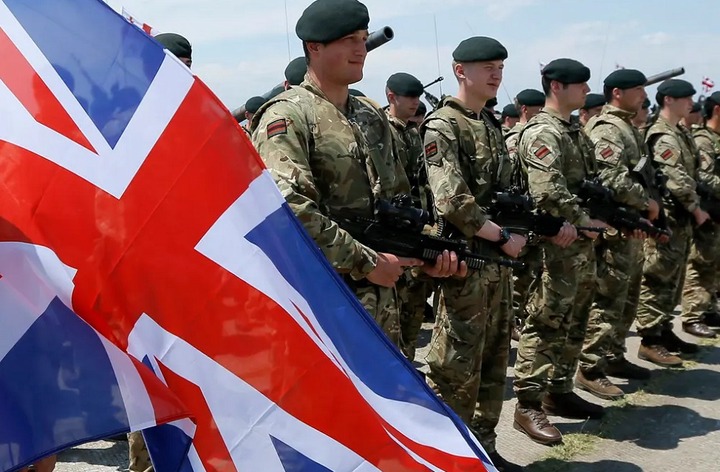
  • British Army Opens Doors to Ugandans, Offers Them Jobs With Salaries Up to Sh25 Million Monthly

    British Army Opens Doors to Ugandans, Offers Them Jobs With Salaries Up to Sh25 Million Monthly

    Thousands of young Ugandans struggling with unemployment and low-paying jobs may now have a rare and life-changing opportunity abroad. The British Army is currently recruiting foreign nationals, and Ugandans are among those encouraged to apply. For many, this could mean a chance to escape poverty, support their families, and even begin a journey toward becoming UK citizens.

    The British Army is widely respected for its discipline, structure, and professionalism. It has long been one of the most organized and well-equipped military forces in the world. Now, it is opening its doors to individuals from Commonwealth nations, and Uganda is firmly on that list. For Ugandan youth facing a highly competitive and limited job market, this opportunity comes as a breath of fresh air.

    Successful applicants can earn a salary far higher than what most Ugandans ever expect to make within the country. Entry-level soldiers, known as privates, can take home the equivalent of approximately ten million Ugandan shillings per month. As they rise through the ranks, the salaries increase significantly, with senior officers reportedly earning up to twenty-five million shillings or more per month. Beyond the salary, the benefits package offered by the British Army is extensive and life-enhancing.

    To be eligible for recruitment, Ugandan candidates must first apply for a United Kingdom visitor visa. This visa is essential as it allows them to travel to the United Kingdom for up to six months. During this time, they can take part in the official recruitment process, which includes assessments and training. Applicants must provide proof that they can financially support themselves during their stay. They also need to show a valid return ticket and a fully completed visa application form. While obtaining the visa is not guaranteed, those who qualify and are determined have a real chance of moving forward.

    Once in the United Kingdom, applicants must pass several stages of evaluation. These include physical fitness tests, medical screenings, and mental aptitude exams. The process is rigorous and designed to ensure that only those who meet the British Army’s high standards are accepted. Those who succeed are granted an exemption stamp by the British Home Office. This stamp allows them to stay legally in the country, even after their visitor visa has expired, so long as they remain in service.

    In addition to the generous salaries, the British Army provides numerous support systems for its soldiers and their families. Recruits are entitled to free healthcare through the United Kingdom’s National Health Service. They also receive free housing, including accommodation for those with families. For those with children, there is access to free or subsidized education, ensuring that the next generation is given a better start in life. These benefits are designed to remove the financial stress that often burdens working families and to allow soldiers to focus entirely on their duties and personal development.

    After completing five years of active service, Ugandan soldiers become eligible to apply for British citizenship. This opens even more doors, including the right to live and work permanently in the United Kingdom, access to public services, and the ability to bring family members to join them through the Armed Forces visa scheme. For many, this could be the beginning of a new chapter that changes not just their own lives but also the lives of their families and future generations.

    The British Army also invests heavily in the professional growth of its recruits. Soldiers receive continuous training in technical skills, leadership, discipline, and teamwork. These skills are valuable both inside and outside the military. Upon completing their service, former soldiers are supported as they transition to civilian life, with career guidance and resources to help them start new careers in areas like security, engineering, logistics, and administration.

    However, with any great opportunity comes the risk of exploitation. Migration experts are warning Ugandan youth to be vigilant and avoid falling into the hands of fake agents or con artists. There have already been reports of fraudulent schemes where individuals pretend to be recruitment officers or claim to have insider connections. According to Abraham Okello, a migration consultant based in Kampala, the safest and only recommended way to apply is through the official UK government website at gov.uk. He strongly cautions against using brokers or paying any fees to individuals who are not officially connected to the British Army or the UK Home Office.

    Okello also emphasized that this chance is not for everyone. It is specifically suited for young men and women who are physically fit, mentally disciplined, and fully prepared to commit to a life of military service. The army life comes with its own set of demands, responsibilities, and sacrifices, and only those who are ready for that challenge should consider applying.

    Despite the challenges, this recruitment drive presents a rare and promising option for many Ugandans. It offers not just a job, but a career with long-term stability, global experience, and the potential for legal residency in one of the world’s most developed nations. With proper preparation, the right attitude, and a focus on using only trusted sources, Ugandan youth can take full advantage of this opportunity.

    For those who have dreamed of a better future beyond borders, the British Army may be the gateway. It offers a chance to earn a respectable income, build an honorable career, support one’s family, and possibly settle abroad. It is a path that requires courage, discipline, and dedication—but for those who succeed, the rewards can be life-changing.

  • Kabale Man Sentenced to Prison Until  2042 for Killing UPDF Soldier After Bar Fight

    Kabale Man Sentenced to Prison Until 2042 for Killing UPDF Soldier After Bar Fight

    A man from Uganda named Gilvazio Bategana has been sent to prison for 19 years. He admitted to killing a soldier named Private Patrick Byamukama, who was known as “Blackman.” The decision was made by the High Court in Kabale on Wednesday, July 9, 2025.

    The incident took place in May 2023 at a place called Kekubo Trading Centre in Butanda Sub-county, Kabale District. On that night, Bategana and Byamukama were drinking at the same bar. Witnesses said that as they left the bar, they got into an argument. The argument turned into a fight, and during the fight, Bategana pulled out a knife and stabbed Byamukama in the stomach.

    Byamukama was quickly taken to Kabale Regional Referral Hospital, but sadly, he did not survive his injuries. After the incident, the police arrested Bategana and charged him with murder. Instead of going through a full trial, Bategana made a deal with the government. He agreed to admit he was guilty, and in return, he got a shorter prison sentence.

    During the court session, the judge explained why the punishment was serious. The judge said that killing someone, especially a soldier who served the country, was a big crime. The court wanted to show everyone that such actions would not be taken lightly. However, the judge also noted that Bategana admitted his guilt, which saved the court time and money. The judge also saw that Bategana felt sorry for what he did, and this was considered when deciding his punishment.

    The judge said, “A soldier who worked hard to protect our country lost his life because of a fight fueled by alcohol. The court must protect lives like his.” This showed how important it was to punish such crimes, but also to think about the person’s actions in court.

    Some of Byamukama’s family members were in the courtroom when the sentence was announced. They had mixed feelings about the decision. Some felt that 19 years was not long enough for taking a life. Others were glad that the case was over and that Bategana was being punished. They felt that justice had been served, even if it didn’t bring their loved one back.

    Security officials in Kabale also spoke about the case. They said that what Bategana did was wrong and encouraged people to find peaceful ways to solve their problems. They especially warned against fighting when people have been drinking alcohol, as it can lead to bad decisions and terrible outcomes like this one.

    Bategana will serve his 19-year sentence in Ndorwa Government Prison in Kabale. The time he has already spent in jail since his arrest in 2023 will count toward his sentence. This means he could be released in 2042 if he serves the full term.

    This case is a reminder of how quickly things can go wrong when people let anger and alcohol take over. It also shows the importance of solving disagreements calmly to avoid hurting others. The court’s decision aims to punish Bategana for his actions while sending a message to others about the consequences of violence. For the soldier’s family, the sentence may not heal their pain, but it offers some closure. For the community, it’s a call to think twice before acting in anger.