Author: ankhh

  • Stop Wasting Money on Dentists: Simple Ways to Protect Your Teeth at Home

    Stop Wasting Money on Dentists: Simple Ways to Protect Your Teeth at Home

    Tooth decay is a common problem that can be painful and expensive to treat. But with some simple habits, you can protect your teeth and reduce dental bills.

    1. Brush Properly Twice a Day

    Brushing your teeth twice daily with fluoride toothpaste removes plaque and prevents decay. Use gentle circular motions and spend at least two minutes each time. Don’t forget the back teeth and along the gumline.

    2. Floss Daily

    Flossing reaches areas your toothbrush can’t. Food particles stuck between teeth feed bacteria, which cause cavities. Make flossing a daily habit to keep your teeth clean and healthy.

    3. Use Saltwater Rinse

    Rinsing with warm saltwater can help reduce bacteria in your mouth. Mix half a teaspoon of salt in a cup of warm water and rinse for 30 seconds. This simple method can reduce inflammation and support the healing of minor decay.

    4. Oil Pulling

    Oil pulling with coconut or sesame oil helps remove harmful bacteria. Swish a tablespoon of oil in your mouth for 10–15 minutes, then spit it out. This method can reduce plaque and improve oral hygiene.

    5. Limit Sugary Foods and Drinks

    Sugar feeds bacteria that cause cavities. Avoid frequent consumption of soda, sweets, and sticky snacks. Opt for water, fruits, and vegetables instead.

    6. Eat Calcium-Rich Foods

    Calcium strengthens teeth and bones. Milk, cheese, yogurt, and leafy greens help protect against decay and keep your teeth strong.

    7. Stay Hydrated

    Drinking plenty of water keeps your mouth clean and reduces acid buildup. It also helps prevent dry mouth, which can increase the risk of decay.

    By following these simple methods at home, you can prevent tooth decay and save money on costly dental treatments. Healthy teeth start with consistent care.

  • 7 Things That Can Happen to Your Body When You Have Honey With Milk

    7 Things That Can Happen to Your Body When You Have Honey With Milk

    Milk and honey are both nutritious foods, and when combined, they can affect the body in several helpful and sometimes unexpected ways. Many people know this mixture as a bedtime drink, but it can influence your health in other areas too.

    1. Helps With Better Sleep

    Milk mixed with honey has long been used as a natural remedy for poor sleep. Both foods contain tryptophan, an amino acid that helps the body produce serotonin and melatonin. These hormones help the body relax and signal that it is time to sleep.

    In one small study involving older adults, people who took milk and honey twice a day for three days reported better sleep quality.

    This combination may also support a healthy gut. Milk and honey contain substances that help good bacteria grow in the digestive system. A healthy gut is linked to better sleep and overall well-being.

    2. Supports Strong and Healthy Bones

    Milk is well known for supporting bone health because it contains calcium and vitamin D.

    Calcium is needed to keep bones strong. If the body does not get enough calcium from food, it starts pulling it from the bones, which can weaken them over time. Vitamin D helps the body absorb and keep calcium, and most milk is fortified with this vitamin.

    Honey contains antioxidants and anti-inflammatory compounds that may help protect bones. Some animal studies suggest honey may slow bone loss and even help fractures heal faster.

    3. May Help With Wound Healing

    Milk and honey may also be useful when applied to the skin, although research is still limited.

    In one animal study, wounds treated with a mixture of milk and honey healed faster than wounds treated with milk alone, honey alone, or even an antibiotic cream. This suggests the combination may support skin repair, but more research is needed in humans.

    4. Can Support Heart Health

    Health experts recommend including low-fat or fat-free dairy products as part of a heart-friendly diet.

    Although whole milk contains more saturated fat, some recent studies suggest it may not be as harmful as once believed. Research shows whole milk can increase good cholesterol and does not appear to raise blood pressure.

    Honey may also help the heart by lowering bad cholesterol and reducing total cholesterol levels. Together, milk and honey may offer some heart health benefits when consumed in moderation.

    5. Adds Calories to Your Diet

    A cup of whole milk contains about 150 calories, while one tablespoon of honey adds around 64 calories. This makes milk with honey a filling snack or drink.

    However, it is important to consider these calories as part of your daily intake to avoid unwanted weight gain.

    6. Contains Added Sugar

    Even though honey is natural, it is still counted as added sugar in the diet. It mainly contains glucose and fructose. Health guidelines recommend limiting added sugar intake to avoid health problems.

    Milk contains lactose, which is a natural sugar and is not considered added sugar.

    7. May Be Difficult to Digest for Some People

    People with lactose intolerance may struggle to digest milk and can experience bloating, gas, diarrhea, or nausea. Using lactose-free milk can help reduce these problems.

    Honey contains fructose, which some people also find hard to digest. Honey is considered a high-FODMAP food and may trigger digestive discomfort in people with conditions like irritable bowel syndrome.

    8. May Increase Certain Skin Problems

    In people under 30 years old, drinking milk and consuming dairy products has been linked to a higher risk of acne. Some young children with eczema are also more likely to have a milk allergy.

    Allergic reactions to honey are rare, but they can happen. Mild reactions may include itching or hives, while severe reactions can cause swelling or breathing difficulties.

    Milk and honey can be beneficial for many people, but they are not suitable for everyone. As with most foods, moderation and individual tolerance matter.

  • Museveni Orders Security Forces to Stop Caning Civilians

    Museveni Orders Security Forces to Stop Caning Civilians

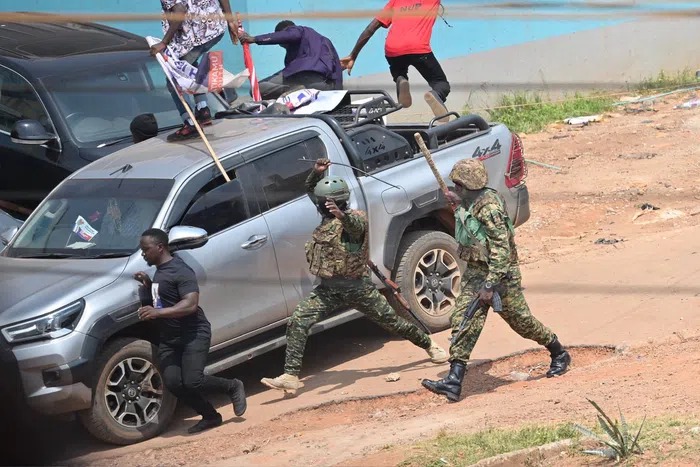
    President Yoweri Museveni has ordered the national armed forces and police to immediately stop the practice of caning civilians, especially during arrests and crowd control.

    In his end of year address, the president said he does not support the use of canes or batons on lawbreakers, even though some police forces in other countries use them during crowd control.

    “Some police forces around the world do it using batons. I, however, reject it. It must stop,” Museveni said.

    He added that although caning was commonly used by teachers and parents in the past, it was not the right way to enforce discipline.

    The president advised the police to instead use teargas, which he said is legal and non-lethal. However, he cautioned that even teargas should be used carefully and in an organized manner.

    Museveni instructed security forces to issue clear warnings before using teargas, water cannons, or other non-lethal methods, so that people are given enough time to disperse.

    “The police should be much more methodical. They should use loudspeakers to warn people and give them time to move away before taking action,” he said.

    The directive is expected to influence how security agencies handle public order operations going forward.

  • JUST IN: Link Bus Catches  Fire Along Kasese-Fortportal Road

    JUST IN: Link Bus Catches Fire Along Kasese-Fortportal Road

    A bus belonging to Link Bus Company Ltd was destroyed by fire on the Kasese–Fort Portal Highway on Tuesday evening.

    The incident occurred at Burunga, about 10 kilometers from Fort Portal City.

    According to eyewitnesses, all passengers on board were safely evacuated, and no injuries have been reported.

    Officials are urging the public to remain calm while the cause of the fire is being investigated.

    @onionug

    Link Bus catches fire along Kasese-Fortportal road #news #bobiwine #museveni

    ♬ original sound – DJSHANE God is the greatest 🙌

  • Heartbroken Man Found Dead after Wife of 8 Years Demands He Pays Dowry on Pastor’s Advice

    Heartbroken Man Found Dead after Wife of 8 Years Demands He Pays Dowry on Pastor’s Advice

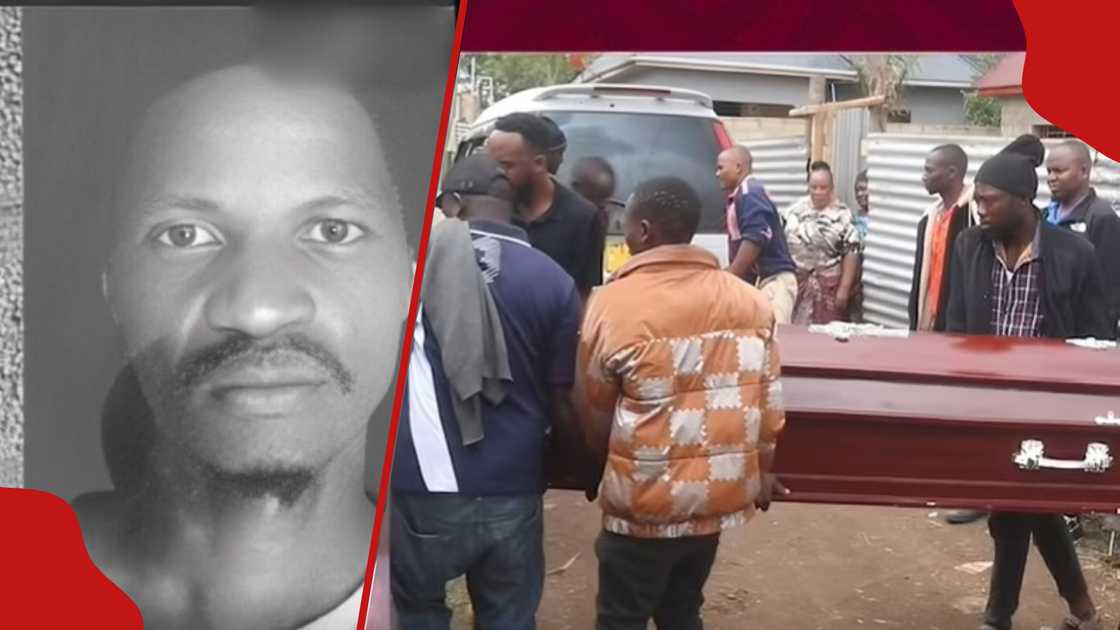
    A family in Terati is mourning the death of 35 year old Cleophas Oisso, whose life ended after days of tension at home linked to a dispute over dowry.

    Cleophas was found dead after reportedly facing growing pressure from his wife to pay her dowry formally. Family members say the couple had lived peacefully for about eight years before problems began.

    Relatives explained that the situation changed after Cleophas’s wife started attending a church in their village. According to people close to the family, she was advised by her pastor that their marriage was not recognised because dowry had not been paid.

    The woman allegedly told her husband that the pastor said their union was sinful and not blessed by God unless the dowry issue was settled immediately. This advice, family members say, caused stress and frequent arguments at home.

    Cleophas’s brother, Venchalivin Silayo, confirmed that religious pressure played a role in the conflict. He said his brother became overwhelmed and struggled to cope with the demands placed on him.

    Silayo urged married couples to be careful about the teachings they follow from religious leaders. He said not every message given by a pastor should be followed without thinking, especially when it affects family peace.

    He also said Cleophas could have sought guidance from elders or parents when the pressure became too much. According to him, family elders often help calm tense situations and offer practical solutions.

    A family friend later revealed that Cleophas’s widow admitted to pushing her husband to pay the dowry. She reportedly said she had moved to another church where she was told that a home without dowry payment could not receive God’s blessings.

    The woman believed that once the dowry was paid, peace and blessings would come to their marriage. Sadly, the pressure and stress appeared to deeply affect Cleophas.

    Following the incident, family members and community leaders have called on religious leaders to be careful with the advice they give to couples. They urged pastors to understand individual family situations to prevent similar tragedies in the future.

  • One Dead as Two brothers Fight Over Alcohol in Kisoro

    One Dead as Two brothers Fight Over Alcohol in Kisoro

    A night of drinking ended in tragedy in Kisoro District after a violent family quarrel claimed the life of a 37 year old man.

    The incident took place on December 28, 2025, in Mpundu Cell, Chahafi Town Council. Police say two brothers became involved in a serious fight that later turned fatal.

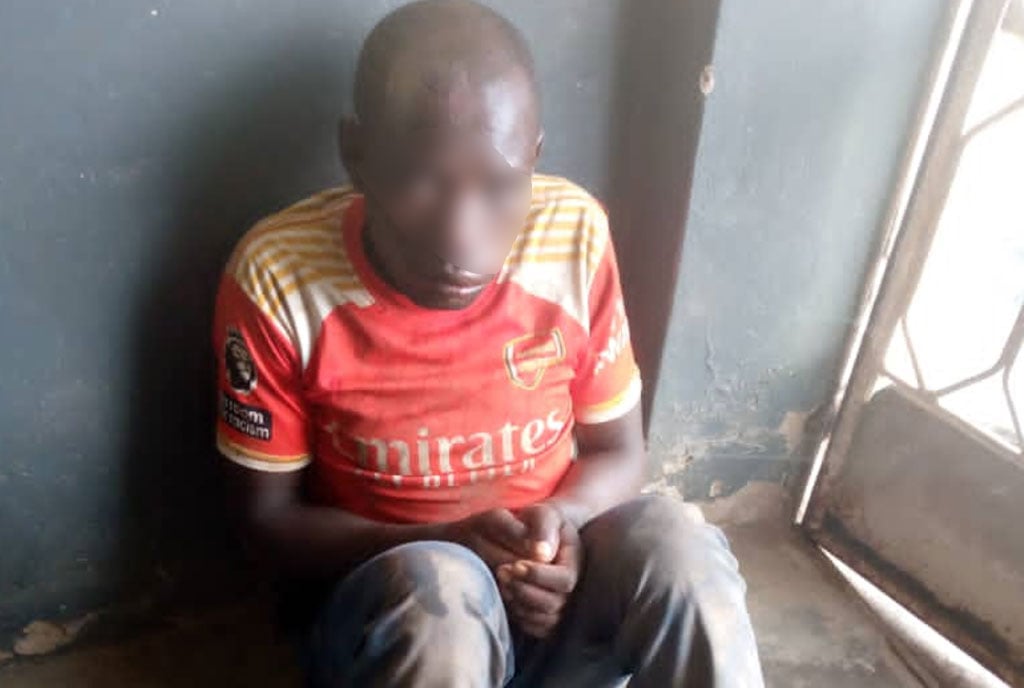
    The deceased was identified as Michael Mujanamana. His elder brother, Pascal Dusabe, aged 40, was later arrested and charged with murder.

    According to police, the brothers had earlier been drinking local alcohol at Chuhumba Trading Centre. During the drinking session, they disagreed and began fighting. People at the trading centre stepped in and stopped the fight before it escalated.

    After the separation, Mujanamana left the area, telling others he was heading home. Police say he instead went to their family residence and waited for his brother.

    When Dusabe reached home later that night, another fight broke out between the two. The struggle lasted for some time as their brother, Ronald Rukundo, tried to calm the situation and separate them.

    During the fight, the two men lost balance and fell into a deep valley near the home. Mujanamana reportedly struck his head on a rock during the fall and died on the spot.

    Police officers were alerted and quickly arrived at the scene. Investigators examined the area, recorded evidence, and documented the incident.

    Kigezi Region Police spokesperson ASP Elly Maate confirmed the arrest of Dusabe and said investigations into the matter are still ongoing.

  • Byabakama Confirms Electoral Commission Ready for 2026 Polls

    Byabakama Confirms Electoral Commission Ready for 2026 Polls

    The Electoral Commission (EC) has said it is fully prepared for the 2026 General Elections and has entered the final stage of organising the voting process.

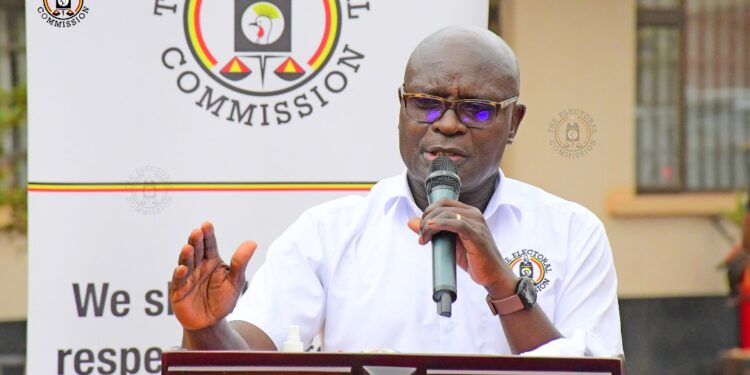
    EC Chairperson Justice Simon Byabakama made the announcement on Tuesday, December 31, 2025, while addressing journalists at the Commission’s headquarters. He said all major activities on the election roadmap have been completed.

    According to Justice Byabakama, the Commission has successfully carried out voter register updates, displayed the national voters’ register, nominated candidates, and overseen campaign activities. He described the country as being in the final stage of the 2025 to 2026 election journey.

    He thanked the government, Parliament, political parties, the media, civil society groups, religious and cultural leaders, security agencies, and Electoral Commission staff for their support throughout the process.

    Justice Byabakama said government funding and Parliament’s approval of election laws and budgets made it possible for the Commission to complete its work on time.

    He also revealed that election officials have been recruited and trained at national, district, and polling station levels to ensure the elections are conducted professionally and transparently.

    The EC is continuing to accredit both local and international election observers, which he said shows the Commission’s commitment to transparency and accountability.

    Most complaints that arose during the nomination period have already been handled according to the law, he added.

    Justice Byabakama reminded voters that the Biometric Voter Verification Kit will be compulsory on polling day. He said the machines will help prevent voter fraud and ensure that only registered voters are allowed to vote. He noted that the Minister of Justice and Constitutional Affairs has signed a legal instrument making the use of the machines mandatory.

    He warned the public against sharing voters’ names, photos, or personal information on social media and other online platforms. He said any concerns about the voters’ register should be reported directly to the Electoral Commission, adding that spreading unverified information is misleading and violates privacy laws.

    The Commission confirmed that ballot papers and declaration of results forms for the presidential, directly elected Member of Parliament, and district woman Member of Parliament elections have already arrived in the country. The delivery was witnessed by representatives from political parties, candidates, the media, and election observers.

    Justice Byabakama said the packing of election materials is ongoing, while the distribution of ballot boxes, solar lamps, and other equipment to districts has already begun.

    He also warned the public about an unauthorised website, www.registry.ugtally.com, which is being promoted as a platform for checking voter details. He said the website is not linked to the Electoral Commission and should not be trusted.

    Ugandans were advised not to visit the site or submit personal information, as it may provide false information and pose security risks. The EC said voters should only use its official website, www.ec.or.ug/register, to check voter registration details and polling stations.

    The Commission has written to the Uganda Communications Commission to guide on action against the unauthorised platform.

    Justice Byabakama further announced that all presidential candidates will receive hard copies of the photo-bearing National Voters’ Register. The register contains details of 21.6 million registered voters across 50,739 polling stations nationwide.

    He explained that the register will help candidates monitor the voting process and ensure that only eligible voters cast ballots at the correct polling stations.

    He also clarified that any voter whose name and photograph appear on the register will be allowed to vote even if they do not have a national identity card.


  • Community Members Destroy Church Over Pastors Affair with Married Women & Church Members

    Community Members Destroy Church Over Pastors Affair with Married Women & Church Members

    A local community got plunged into chaos after a prominent charismatic pastor was nabbed with a married woman in the name of deliverance.

    The pastor reportedly fled the scene after the angry mob of stormed his church premises to destory his properties.

    According to witnesses and disgruntled residents, the pastor operated a predatory scheme under the guise of spiritual “deliverance” sessions.

    Investigations by community leaders suggest that the cleric would lured victims both married women and single ladies into private sessions, claiming that physical intimacy was a necessary ritual for their spiritual breakthrough or protection.


    The bubble bursted when the husband of one of the victims caught the pastor in a compromising position with his wife.

    The discovery sparked immediate outrage as the aggrieved husband mobilized a group of local youths and community members to storm the church premises.

    In a video that has surfaced online, the main altar, viewed by many as a site of betrayal, was completely demolished.

    Dozens of plastic chairs were smashed, and expensive PA systems and speakers were hauled out and wrecked.

    Several other church assets were reportedly vandalized as the crowd expressed their fury over the alleged desecration of the marriage institution.

  • Cancer of the Stomach Kills: Stop Eating These Six Things If You Want to Live Long

    Cancer of the Stomach Kills: Stop Eating These Six Things If You Want to Live Long

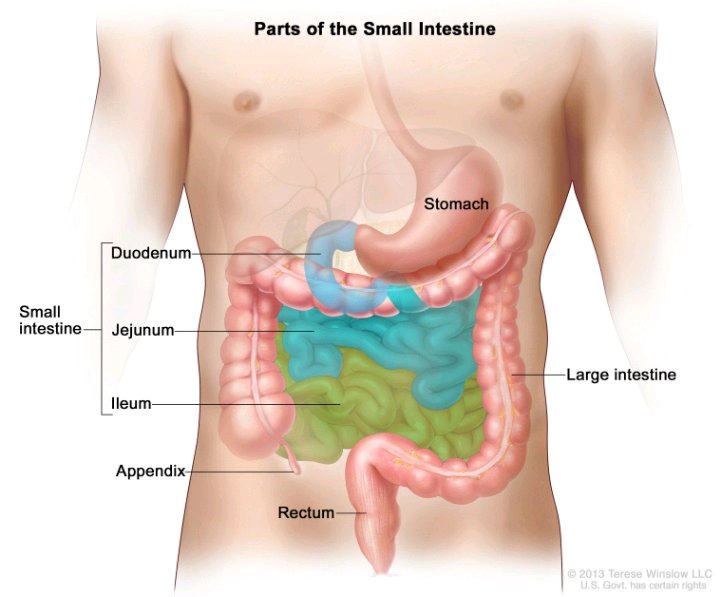
    Stomach cancer is a serious and often deadly disease, especially when detected late. While genetics and infections play a role, daily diet strongly influences stomach health. Certain foods irritate the stomach lining and increase cancer risk over time. Reducing or avoiding them can help protect your life.

    1. Processed meats

    Sausages, bacon, hot dogs, and smoked meats contain preservatives like nitrates and nitrites. These chemicals can damage stomach cells and form cancer-causing compounds when eaten regularly.

    2. Excessively salty foods

    Foods preserved with a lot of salt, such as salted fish, pickles, and dried meats, harm the stomach lining. High salt intake also makes it easier for harmful bacteria to damage stomach tissue.

    3. Smoked and charred foods

    Smoked fish, roasted meat, and burnt foods contain harmful substances formed during high-temperature cooking. These toxins irritate the stomach and may trigger abnormal cell growth.

    4. Ultra-processed foods

    Packaged snacks, instant noodles, and sugary baked goods are low in nutrients but high in unhealthy fats and additives. Regular consumption weakens the body’s natural defense system and increases cancer risk.

    5. Excess alcohol

    Heavy alcohol intake inflames the stomach lining and reduces its ability to heal. Over time, this constant irritation may lead to ulcers and cancerous changes.

    6. Very hot foods and drinks

    Consuming food or tea while extremely hot can injure the stomach and digestive tissues. Repeated damage may increase the risk of abnormal cell changes.

    How to protect your stomach

    Choose fresh fruits and vegetables, whole grains, and lean proteins. Eat foods rich in antioxidants, such as leafy greens and berries. Reduce salt, avoid smoking, limit alcohol, and drink warm—not hot—beverages.

    Stomach cancer can be prevented. Your daily food choices matter. Eating wisely today can help you live longer and healthier tomorrow.

  • Police Say Ugandans Must Get Permission Before Using National Flag

    Police Say Ugandans Must Get Permission Before Using National Flag

    Ugandan police have told citizens they need government approval before displaying the country’s flag in public.

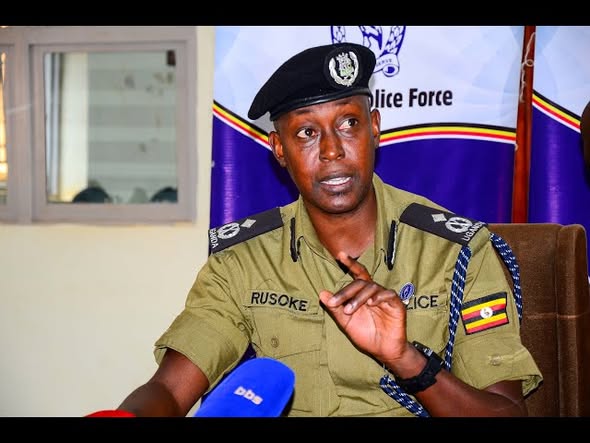
    According to police representative ACP Rusoke Kituuma, authorities are worried about people using the flag without following proper rules. He explained that a specific law controls how Ugandans can use national symbols.

    Kituuma told reporters that anyone wanting to use the Uganda flag must first get approval from the Minister of Justice and Constitutional Affairs. He said many people do not know this legal requirement exists.

    The police statement comes as opposition supporters have started carrying the national flag more often during political activities. Members of the National Unity Platform party, whose leader is presidential candidate Robert Kyagulanyi Ssentamu, commonly known as Bobi Wine, have made the flag part of their campaign activities.

    Bobi Wine has told his followers to wave the flag as a way to show they want change in Uganda’s leadership. Opposition party officials say they turned to the national flag after government banned red berets, which they previously wore to identify themselves and gather supporters.

    NUP members now bring flags to political meetings, attach them to motorcycles and cars, and sometimes hang them in public areas including on electricity poles. Videos shared online show security forces stopping and sometimes physically attacking people carrying the flag.

    Kituuma said the police goal is to teach people about the law rather than punish them. He noted that most Ugandans simply do not understand the rules about national symbols.

    He told journalists that many citizens lack knowledge about what they can and cannot do with the flag. Kituuma added that police sometimes have to enforce laws that people do not fully understand.

    The police spokesperson encouraged people to follow the example set by government offices. These institutions raise the flag in the morning and take it down in the evening or when rain falls as a way of showing respect.

    Kituuma said some people hang the national flag on electricity poles and use it incorrectly in various ways. He called this behavior inappropriate and asked the public to treat national symbols with respect and follow legal requirements.

    The police representative did not directly tell NUP and its supporters to stop using the flag completely. However, he stressed that all Ugandans must follow the law about national symbols no matter which political party they support.