Author: ankhh

  • Meet The Little Known Wife To The Late Prof. George W. Kanyeihamba And Details About Her

    Meet The Little Known Wife To The Late Prof. George W. Kanyeihamba And Details About Her

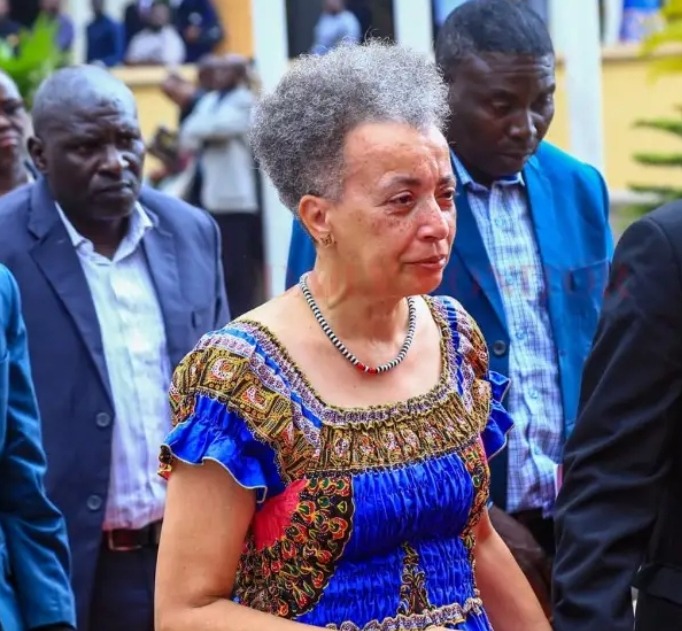
    Susan Kanyeihamba, born Susan Randall, has lived a quiet life in the United Kingdom. She was married to Prof. George W. Kanyeihamba, a well-known legal expert, former Supreme Court Justice, and important figure in Uganda’s history. Susan stayed out of the public eye, supporting her husband’s career from behind the scenes. Their 45-year marriage was strong, but it was sadly broken on July 14, 2025, when Prof. Kanyeihamba died at age 85.

    His death shocked Susan, and she has been struggling with her health since. She is under medical care in the UK, where doctors are checking if she is strong enough to travel to Uganda for her husband’s funeral. This has caused delays in planning the burial, which is expected to be a major event because of Prof. Kanyeihamba’s importance.

    Susan and Prof. Kanyeihamba have four children: Sarah, Joel, Ruth, and their adopted daughter, Betty Nabitosi. The family hoped to go to Kampala quickly to arrange the funeral, but Susan’s health has kept things on hold. Their son Joel led a family meeting to plan the burial, which is now set for Tuesday, July 29, at their home in Buziga. Susan is seen as the family’s “emotional anchor,” and many feel the funeral won’t be complete without her.

    Susan has always been a private person, but her strength has been key to her family’s success. She supported her husband’s work while raising their children, all while staying out of the spotlight. Now, as she deals with her grief, her health is the family’s main concern. Her story shows how personal strength and love are just as important as public achievements.

    Supreme Court Judges, led by Chief Justice Alfonse Owiny-Dollo, have visited to honor Prof. Kanyeihamba. His death is a big loss, but it also highlights Susan’s quiet role in his life. As the family waits for Susan to be well enough to travel, they are focused on making sure she is okay. Her health matters not just for the funeral but because she represents the heart of the family.

    Susan’s journey through this difficult time shows how strong she is, even in sadness. As she prepares to say goodbye to her husband in Uganda, her story reminds us that behind every great person is often someone like Susan, whose love and support make a big difference. The Kanyeihamba family is working together to honor Prof. Kanyeihamba’s memory while caring for Susan, showing how love and legacy go hand in hand.

  • Kadama Returns Home to Nothing, Found Dead After Parents Spent All Her Savings

    Kadama Returns Home to Nothing, Found Dead After Parents Spent All Her Savings

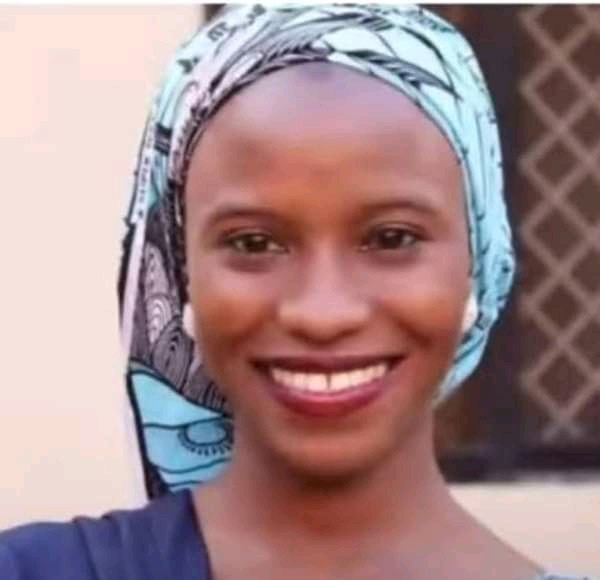
    Brenda Tuhaise, a 27-year-old woman from Uganda, tragically passed away after returning home from Saudi Arabia, where she had worked as a housemaid for three years.

    In Uganda, women who travel to the Middle East to work as housemaids are commonly referred to as “Kadamas.”

    Brenda had traveled to Saudi Arabia with the hope of saving money to build a better future. The work was challenging, but she persevered, dedicating herself to her job every day.

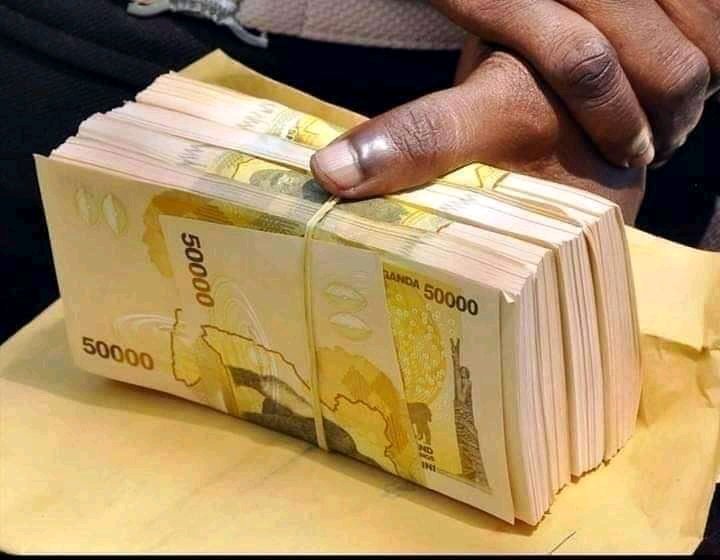
    She sent most of her earnings to her parents in Kampala, trusting them to safeguard her money. Her dream was to return to Uganda and use her savings to start a small business.

    Tragically, her dream was never realized.

    Upon her return to Uganda, Brenda was devastated to discover that all her savings had been spent. Her parents had used the money without her knowledge or permission. She had placed her full trust in them, but they had spent everything she had worked so hard to earn. Brenda was left with nothing.

    This betrayal shattered her spirit. She felt deeply hurt and hopeless. Having endured tough conditions in Saudi Arabia, she now had nothing to show for her sacrifices.

    Friends and neighbors noticed that Brenda seemed very sad and exhausted, but no one fully understood the depth of her pain.

    One night, Brenda locked herself in her small rented room in Mukono. In her despair, she swallowed approximately 50 tablets in an attempt to end her life. She had not shared her intentions with anyone.

    After not seeing her for several hours, her neighbors grew concerned. They knocked on her door, but there was no response. Worried, they forced the door open and found her unconscious.

    Brenda was immediately rushed to a nearby clinic, but despite efforts to save her, it was too late. She was pronounced dead shortly after arriving. Medical reports confirmed that her death was caused by an intentional drug overdose.

    Her passing has left many in Uganda in shock and grief. Friends, neighbors, and even strangers have taken to social media to express their sorrow and anger over the circumstances surrounding her death.

    Brenda was remembered as a quiet, respectful, and hardworking young woman. Her story has highlighted the challenges faced by many Kadamas who return home after working abroad.

    Her death has sparked calls for better support and protection for migrant workers like Brenda, who often face significant hardships both abroad and upon their return.

    Brenda’s life was marked by sacrifice and resilience. Her tragic death serves as a heartbreaking reminder of how trust can be broken and dreams can be shattered.

  • Kadama Returns Home to Nothing, Found Dead After Parents Spent All Her Savings

    Kadama Returns Home to Nothing, Found Dead After Parents Spent All Her Savings

    Brenda Tuhaise, a 27-year-old Ugandan woman, recently returned from Saudi Arabia after working for three years as a housemaid, locally known as a “Kadama.” She had hoped her sacrifices abroad would secure her a better future back home.

    While working in Saudi Arabia, Brenda regularly sent money to her parents in Kampala. She trusted they would keep it safe so she could start a small business upon her return to Uganda.

    However, when she got back, Brenda discovered that all her savings—accumulated through years of hard labor—had been spent by her parents without her knowledge or approval. The betrayal left her devastated.

    Brenda had planned to invest in a small enterprise that would help her become financially independent. The realization that she had nothing left pushed her into deep emotional turmoil and despair.

    On the night of the incident, Brenda locked herself in her small rented room in Mukono and swallowed a mixture of about 50 tablets. She had told no one of her intentions, though signs of depression had been evident.

    Neighbors grew concerned after not seeing her for hours. They forced open her door and found her unconscious. Brenda was rushed to a nearby clinic, but efforts to save her life were unsuccessful.

    She was pronounced dead shortly after arrival. Medical reports confirmed that her death resulted from intentional overdose. Her passing has left friends, neighbors, and many in shock and sorrow.

    Brenda was known as a humble, resilient young woman who had worked under difficult conditions abroad, only to return home and be left with nothing. Many have taken to social media to express anger and grief over her death.

  • Smart Ways to Make Over Shs100,000 Daily Online in Uganda

    Smart Ways to Make Over Shs100,000 Daily Online in Uganda

    Uganda’s economy continues to challenge its growing youth population. With a high unemployment rate, limited access to well-paying jobs, and the rising cost of living, many people—especially students and young adults—are turning to the internet to generate income. The good news is that making money online is no longer just a global idea; it’s now a reality in Uganda. With just a smartphone, some internet, and time, you can earn money without leaving your home. Here are 23 detailed and realistic ways to make money online in Uganda today.

    1. Trading Bitcoin
    As the value of the Ugandan shilling weakens due to inflation, many have turned to cryptocurrencies like bitcoin as an alternative store of value. With Paxful, a peer-to-peer crypto exchange, you can buy and sell bitcoin using mobile money or bank transfers. Paxful allows traders to profit by taking advantage of price fluctuations and also offers an affiliate program where you can earn a commission by referring others. Many young Ugandans have turned small crypto trades into regular income streams.

    2. Testing Websites and Apps
    Technology companies constantly need feedback from real users. Platforms like UserTesting pay you to test websites or apps and give your honest opinion. Each test usually lasts 15–20 minutes and pays about $10. All you need is a computer or phone with internet and a microphone to record your voice as you navigate the site.

    3. Taking Surveys and Watching Videos
    Sites like InboxDollars pay users to complete short surveys, read promotional emails, and watch videos. Each activity pays a small amount, but they can add up over time. If you’re consistent, you can earn weekly rewards. This is a good way for students and stay-at-home moms to make pocket money from home.

    4. Playing Games for Rewards
    Apps like Mistplay reward you for playing mobile games. You earn points for every minute played, which can be converted into gift cards for Amazon, Google Play, or even PlayStation. While not a full-time income, it’s an easy way to earn while enjoying your favorite games.

    5. Earning from Web Searches
    Qmee is a browser extension that rewards you for clicking on specific search results. While using Google or Bing, you’ll see occasional sponsored links with a small reward next to them. Click, and you earn instant cash into your Qmee wallet. No withdrawal limit, and you get paid to search as you normally would.

    6. Match-Fixing and Betting Alerts (Avoid)
    Some underground groups claim to offer profitable “fixed match” betting schemes. These are illegal and extremely risky. While some users may claim they make money this way, it is often a trap to scam your money or involve you in unlawful activities. It’s better to invest your time in legal, skill-based platforms instead.

    7. Teaching English Online
    Many companies pay tutors to teach English to non-native speakers. Platforms like TeacherOn allow you to set your own rates and schedule. If you speak English fluently, you can earn by teaching students in countries like China or Saudi Arabia. All you need is a webcam and a quiet environment.

    8. Translation Jobs
    If you are fluent in English and another language (like Swahili, Luganda, or French), you can work as a freelance translator on platforms like TranslatorsCafe. These platforms offer jobs in legal, medical, and technical translation. Translators are paid per word, and some projects offer hundreds of dollars.

    9. Freelancing on Global Marketplaces
    Sites like Upwork, Fiverr, and Freelancer offer jobs in writing, graphic design, web development, and more. Many Ugandans now work full-time as freelancers, earning in USD. To succeed, build a strong profile, showcase your skills, and deliver work on time.

    10. Voice-Over Projects
    If you have a clear voice and good pronunciation, you can earn by voicing commercials, audiobooks, and YouTube intros. Voices.com is the top platform for this. With some basic audio equipment and a quiet room, your voice can earn you serious money from clients abroad.

    11. Data Entry Work
    Websites like Clickworker and Smart Crowd offer data entry tasks. These include typing, verifying data, and categorizing information. They don’t pay much per task, but the work is simple and flexible—perfect for people with basic computer skills.

    12. Selling Products Online
    You can sell phones, clothes, accessories, or even second-hand items on Jumia Uganda or Jiji Uganda. Once you create a seller account, you upload product photos and start receiving orders. With reliable delivery and good pricing, online selling can grow into a real business.

    13. Dropshipping Without Inventory
    With dropshipping, you sell products without stocking them. You create an online store (using Shopify), list products from AliExpress, and when someone orders, the supplier ships directly to the customer. You profit from the price difference, and all logistics are handled by the supplier.

    14. Field Tasks for Global Brands
    Apps like FieldAgent and BeMyEye offer tasks like checking shelf prices in supermarkets or photographing products. Each task takes 5–10 minutes and pays $3 to $12. These are real gigs you can complete during your regular shopping.

    15. Selling Your Photos
    If you enjoy photography, upload your work to Foap. High-quality photos of daily life, wildlife, or local food can be licensed by brands or websites. Every time your photo is downloaded, you earn a share of the licensing fee. Even smartphones can take sellable pictures.

    16. Becoming a Virtual Assistant
    Busy professionals, including doctors in the U.S., hire virtual assistants to manage their paperwork. iScribes offers online jobs for virtual medical scribes. You’ll help organize patient records and write summaries. This is a growing opportunity in the healthcare outsourcing sector.

    17. Audio Transcription
    Sites like TranscribeMe pay users to listen to audio files and type what they hear. If you’re detail-oriented with good grammar, this is a steady online job. Many transcriptionists earn $15–25 per audio hour, depending on speed and accuracy.

    18. Running a YouTube Channel
    With over 5 million Ugandans on YouTube, content creation is growing. If you can teach, entertain, or review products, you can start a channel, grow your following, and earn through YouTube ads and brand partnerships. It takes time to build, but success stories from Uganda prove it’s worth it.

    19. Selling Online Courses
    Use Udemy to teach what you know—whether it’s cooking, graphic design, or business skills. You record video lessons, upload them, and get paid every time someone enrolls. It becomes passive income as long as people continue buying your course.

    20. Publishing Ebooks
    Amazon’s Kindle Direct Publishing lets you publish ebooks for free. You can write about farming, business, or relationships and sell your book to readers globally. Each sale earns you up to 70% in royalties, and you retain full control of your content.

    21. Writing for Revenue-Sharing Platforms
    HubPages allows anyone to write articles and earn from ads. If you like to write about news, tech, or lifestyle, you can submit posts and get paid based on views. Writers earn money over time as articles continue to attract readers.

    22. Developing Mobile Apps
    If you know coding, app development can be a high-paying career. Use platforms like Gun.io or X-Team to find clients looking for mobile app developers. You can work remotely for international companies and earn in dollars.

    23. Affiliate Marketing
    With affiliate marketing, you promote products using special referral links. When someone clicks and makes a purchase, you get paid. Amazon Associates, Jumia Uganda, and Paxful Affiliate are all examples. Promote products on WhatsApp, TikTok, or a blog and earn without selling anything yourself.


    Conclusion
    Uganda’s future depends on the creativity and resilience of its young people. While formal jobs may be limited, the internet has opened up a world of possibilities for those willing to learn and work. From freelancing and teaching to selling products and building audiences, the opportunities to earn online are endless. The key is to start small, stay consistent, and be patient. Your first dollar earned online could lead to a full-time income tomorrow.
  • How to Build a House in Uganda on a Monthly Salary Below Shs1 Million

    How to Build a House in Uganda on a Monthly Salary Below Shs1 Million

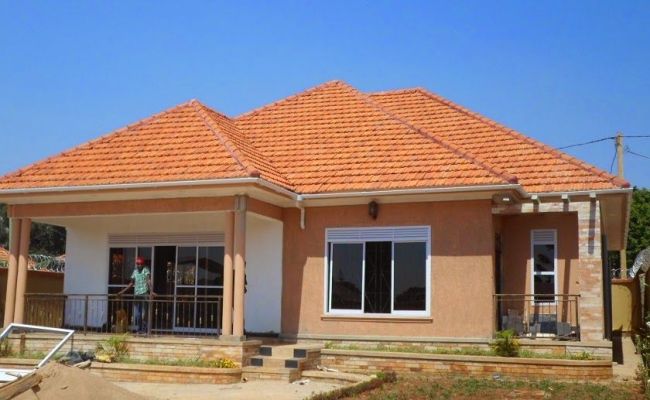
    In Uganda today, many people dream of building their own home, but for those earning below Shs1 million per month, the idea often feels far out of reach. Construction is widely believed to be a luxury reserved for high-income earners or large property developers. However, this perception does not reflect the full picture. The reality is that even individuals earning modest salaries can own a home—if they approach the process with patience, discipline, and a practical long-term plan.

    The journey to building a house on a low income is not about speed or extravagance. It is about starting small, making careful financial decisions, and breaking down the construction process into manageable phases. While it may take several years, the satisfaction of finally living in a home you own—free from rent and housing insecurity—is worth the effort.

    The first and most important step is to define your expectations. It is easy to get caught up in the dream of building a large, multi-bedroom house with all the modern luxuries. But when your income is limited, ambition must meet reality. A two-bedroom house with a sitting room, kitchen, and bathroom can be more than enough for a small family. What matters is building something functional and expandable. You can always improve or extend the structure in the future as your financial situation changes.

    Before laying a single brick, it is crucial to plan thoroughly. Begin by identifying where you want to build. The cost of land varies significantly depending on the location. While land within Kampala or other major towns is prohibitively expensive for low-income earners, plots in rural or peri-urban areas like Wakiso, Mityana, Luweero, or Mukono offer much more affordable options. It is possible to find genuine plots of land for as little as Shs5 million to Shs15 million, depending on distance from town centers and availability of infrastructure. Always make sure the land is free of disputes, has a valid title, and has been surveyed properly.

    Once land is secured, the next step is developing a house plan. Even the smallest house must be planned professionally to meet approval standards set by municipal authorities. While the idea of hiring an architect may sound expensive, many affordable draftsmen and engineers can help you design a simple plan for between Shs300,000 and Shs500,000. Submitting this plan for approval is also necessary, and the approval process can cost an additional Shs500,000 to Shs1 million, depending on your location.

    Construction does not need to happen all at once. For a person earning Shs800,000 monthly, trying to build a complete house in a single year would be financially overwhelming. But by dividing the construction into clear phases—such as foundation, walling, roofing, and finishing—you can begin the journey with whatever amount you can consistently set aside. If you save even Shs400,000 every month, that adds up to nearly Shs5 million in one year. That’s enough to clear the land and lay a proper foundation. In two to three years, you could have the house roofed and enclosed. Bit by bit, the home begins to take shape.

    The construction of a modest two-bedroom house in Uganda typically costs between Shs70 million and Shs90 million if you avoid luxury materials and do most of the supervision yourself. This estimate includes the major structural components like the foundation, walls, roofing, windows, doors, plastering, plumbing, and wiring. However, it does not account for compound work, fencing, or decorative finishes. By focusing first on what is essential—shelter, safety, and sanitation—you can create a livable space before worrying about things like painting, tiling, or ceilings.

    Supervising your own construction is also a key way to cut costs. Many first-time builders make the mistake of handing over their entire budget to contractors without tracking spending. While it’s fine to hire skilled builders, your personal involvement—either in sourcing materials, checking daily progress, or negotiating prices—can save you millions in unnecessary costs. In many cases, friends or family members may also be willing to assist with labor, land clearing, or basic construction work.

    It is also helpful to tap into local building knowledge. Many rural and peri-urban communities have experienced builders who can construct quality homes at a fraction of the cost charged by formal construction firms. Buying materials like bricks, sand, and gravel locally will reduce transport costs. Opting for locally available iron sheets instead of imported roofing materials is another simple way to stay within budget.

    Another effective strategy for low-income earners is to join a SACCO (Savings and Credit Cooperative Organization) or community savings group. These offer low-interest loans and make it easier to commit to regular saving. Many Ugandans earning below Shs1 million per month have used SACCOs to gradually raise funds for each construction stage. Other options include seeking financial support from trusted relatives or using small, structured loans from microfinance institutions.

    Building while still paying rent in town can also slow your progress. If possible, consider moving in with family or shifting to a cheaper location while building. Even saving Shs200,000 monthly in rent can help you buy a truckload of sand or several bags of cement within a few months.

    Finally, it’s important to understand that your first house doesn’t need to be perfect. It just needs to be yours. You can start with basic finishes, second-hand doors, or cement floors instead of tiles. The most important thing is to create a space where you no longer have to pay rent every month, and where you can begin to build a more stable financial future.


    In the end, owning a home is not about earning millions—it’s about determination, sacrifice, and long-term planning. Many Ugandans with low monthly incomes have done it, and so can you. The key is to start small, stay focused, and believe in the power of building, one brick at a time.

  • Four Female Prison Guards Impregnated by Same Prisoner

    Four Female Prison Guards Impregnated by Same Prisoner

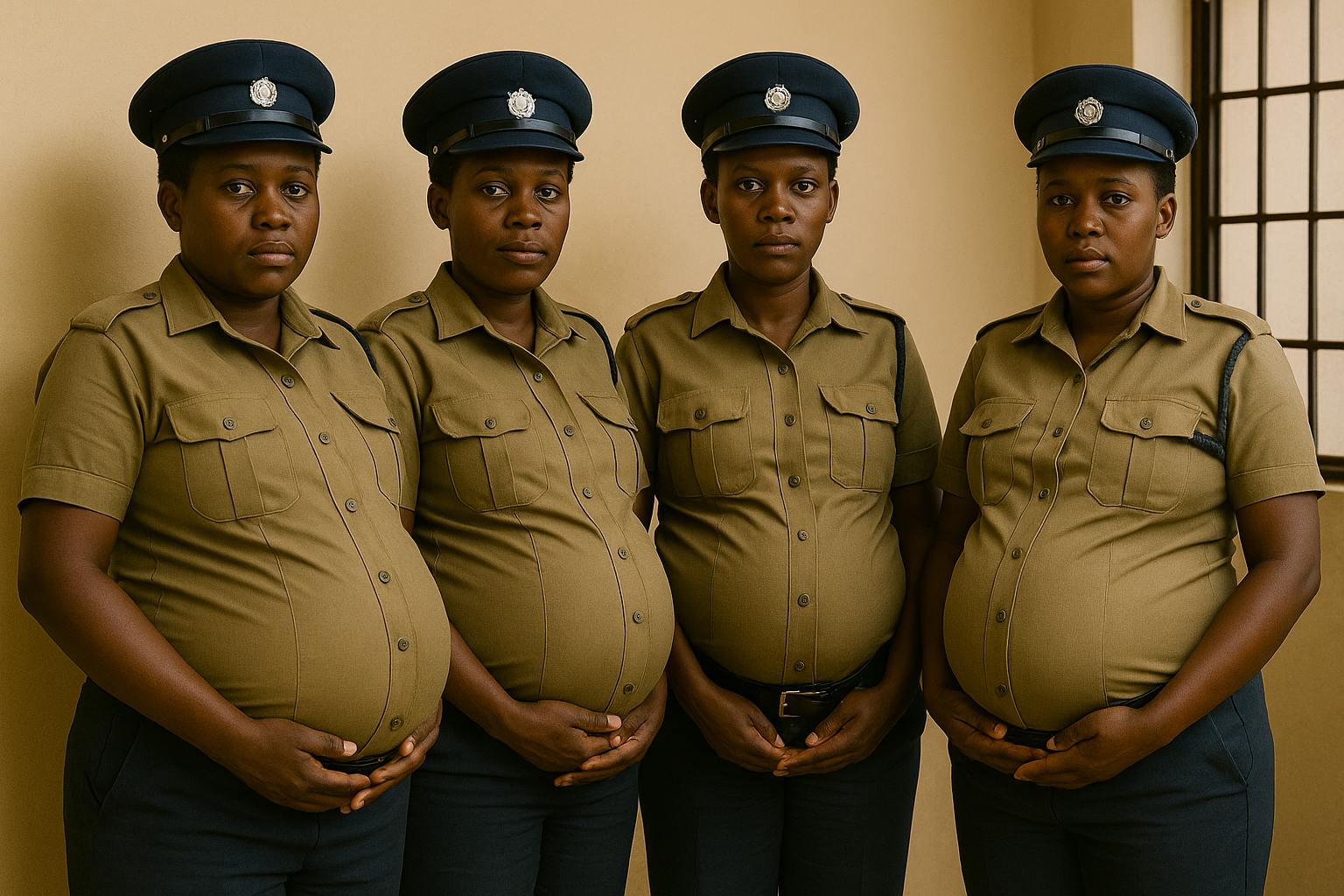
    A shocking scandal has come to light in Zimbabwe after four female prison officers were reportedly found to be pregnant by the same inmate at Chikurubi Maximum Security Prison. The news has caused anger and disbelief across the country, with many people questioning how such a thing could happen in one of the most secure prisons in Zimbabwe.

    Officials from the Zimbabwe Prisons and Correctional Services confirmed that an investigation is underway. The inmate, a 38-year-old man named Tinashe M., is currently serving a 15-year sentence for fraud. It is believed that he formed relationships with the officers over several months without anyone noticing.

    Sources say the relationships happened in different parts of the prison, including storage rooms and areas with little or no camera surveillance. There are also claims that some staff members may have ignored the situation or even helped make the meetings possible.

    All four officers have been suspended without pay. The inmate has since been moved to a different prison with stricter security. Senior officials say this is a serious failure of leadership and discipline within the prison system. One official from the Ministry of Justice said the fact that this happened with four officers shows just how weak the system has become.

    Legal experts say the situation is serious because prison staff are in positions of power over inmates. Even if the women say it was consensual, any relationship between an officer and an inmate is against the rules and is considered abuse. Human rights groups in Zimbabwe are also asking for an independent investigation and are warning that this may be part of a bigger problem in the country’s prisons.

    This is not the first time Zimbabwe’s prisons have faced criticism. In recent years, there have been reports of prison guards smuggling drugs and cellphones for inmates and getting involved in other illegal activities. But this latest scandal is one of the most shocking so far, and many people are now calling for big changes in the way prisons are run.

    On social media, many Zimbabweans have shared their anger and frustration. Some say it shows a lack of discipline in the entire prison system. Others say it’s a sign that officers are not being trained or supervised properly. The Ministry of Justice has responded by saying they will carry out an urgent review of all prisons in the country. They plan to increase camera surveillance, review staff hiring procedures, and take strong action against any more cases like this.

    Minister of Justice Jonathan Mapfumo said the government is treating the matter very seriously. He said it’s not just about punishing those involved but also about fixing the system so something like this never happens again. He added that the trust of the public must be restored and that the correctional service must go back to its true purpose—protecting the public and helping inmates reform.

    As the investigation continues, many Zimbabweans are waiting to see if real change will happen. Some fear that once the news dies down, everything will go back to normal. Others hope this will be a turning point that finally brings order, responsibility, and respect back into the prison system.

  • Talkative Trump Down! 79yr Old President Diagnosed With ‘Chronic Venous Insufficiency’

    Talkative Trump Down! 79yr Old President Diagnosed With ‘Chronic Venous Insufficiency’

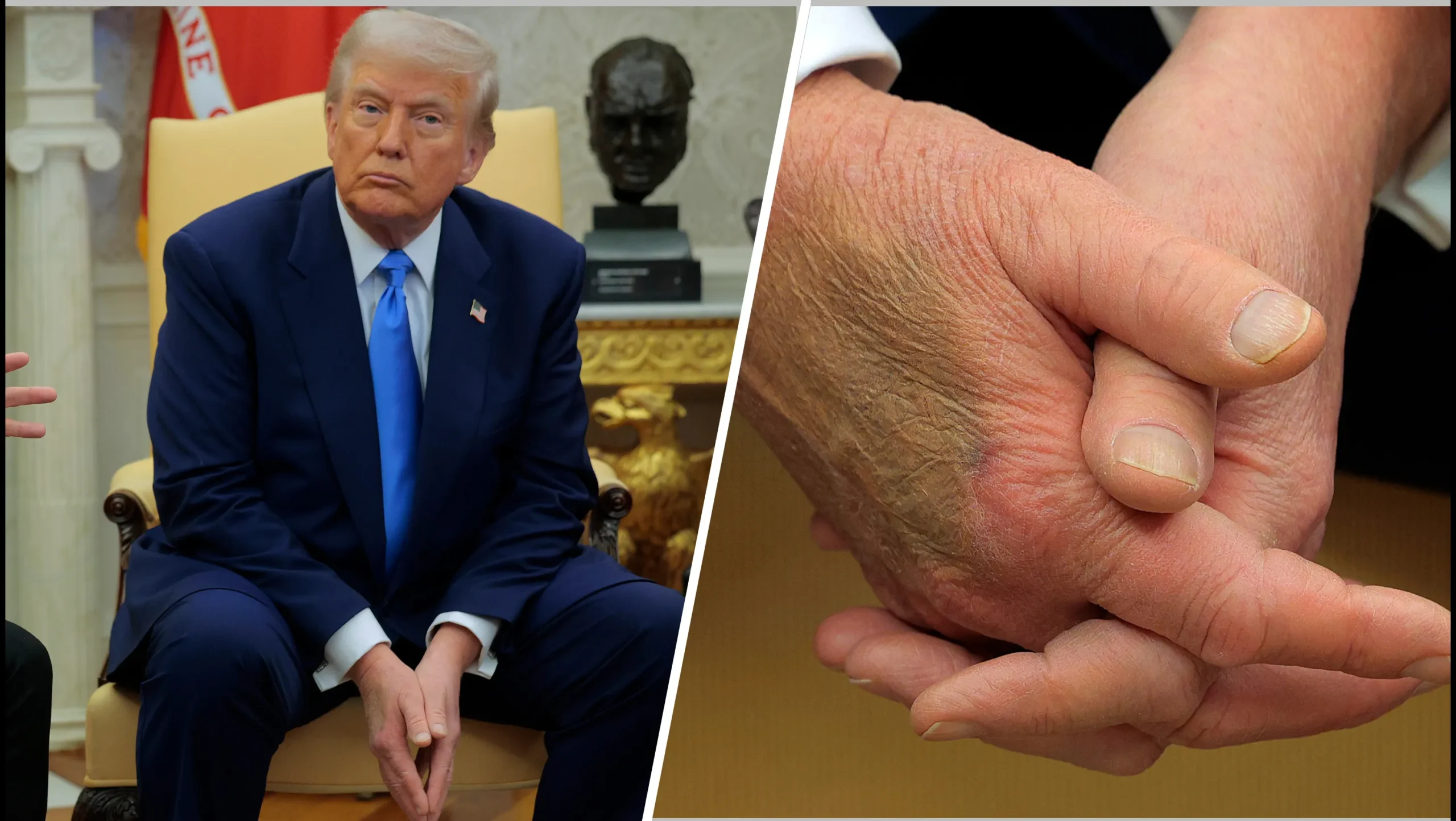
    President Donald Trump has been diagnosed with chronic venous insufficiency, a circulatory condition that affects blood flow in the legs, according to an official statement released by the White House on Thursday. The announcement follows recent observations of swelling in Trump’s legs and noticeable bruising on his hands, which had sparked widespread speculation online about the state of his health.

    Speaking to reporters, White House Press Secretary Karoline Leavitt reassured the public that the condition is “benign and common,” particularly in older adults. Reading from a letter authored by Trump’s physician, she explained that the condition occurs when damaged or weakened veins impair the return of blood from the legs back to the heart. “This condition is significantly more common in individuals over the age of 70,” she said.

    Trump, who is currently 79 years old, holds the record as the oldest individual ever elected to the presidency. Age and physical fitness have remained a focal point of political debate during his recent campaign, especially given his continued criticism of his predecessor, Joe Biden, over similar issues. Trump often questioned Biden’s stamina and mental acuity throughout the 2024 presidential race. Ironically, Biden—who is three years Trump’s senior—later withdrew from the race under growing pressure from within the Democratic Party, ultimately paving the way for Kamala Harris to become the Democratic nominee. Harris went on to lose to Trump in the general election.

    While Trump’s recent appearance, including visible bruises and signs of leg discomfort, has raised eyebrows on social media, the White House has maintained that the former president’s health remains strong. “There is no evidence of more serious conditions such as deep vein thrombosis or arterial disease,” Leavitt emphasized. She stated that Trump had undergone a series of comprehensive medical tests, all of which returned within normal limits.

    “His cardiac structure and function are normal,” Leavitt continued. “There are no signs of heart failure, renal problems, or any systemic illness. His overall test results are stable and consistent with his age.”

    The bruising on Trump’s hands, which had led to viral speculation and concern among his supporters and critics alike, was also addressed. According to the medical report, the discoloration is attributed to minor soft tissue irritation caused by frequent handshaking, an occupational hazard of constant public engagement. In addition, Trump takes a low-dose aspirin as part of a preventive cardiovascular routine, which may contribute to easier bruising.

    Although U.S. presidents are not legally required to disclose their medical records, it has become an expected tradition for those in the nation’s highest office to provide regular health updates. This is particularly true in times of heightened public scrutiny or visible health changes. Trump himself has a long history of making headlines over his health, beginning with his 2015 campaign. At the time, his physician, Dr. Harold Bornstein, issued a letter claiming that Trump would be “the healthiest individual ever elected to the presidency.” That statement was later criticized for its hyperbolic tone and lack of detailed medical evidence.

    Despite that, Trump has continued to project a public image of strength and vitality. The latest diagnosis, while not serious, is likely to add another layer of public interest to his ongoing health narrative, especially as he prepares to serve another term in office at an advanced age.

    Chronic venous insufficiency, while common, can lead to discomfort and may require management through lifestyle adjustments such as regular exercise, elevation of the legs, compression stockings, or in some cases, minor medical procedures. However, the White House has not indicated that Trump requires any invasive treatment at this time. “The president remains active and fully engaged with his duties,” Leavitt concluded.

    As Trump begins his return to the White House, attention on his health is expected to persist. With Americans increasingly focused on the fitness of their leaders, medical transparency may continue to be a central theme throughout his next term. For now, officials maintain that the former president is in stable health and under routine monitoring.

  • The Estimated Cost of Building a Two-Bedroom House

    The Estimated Cost of Building a Two-Bedroom House

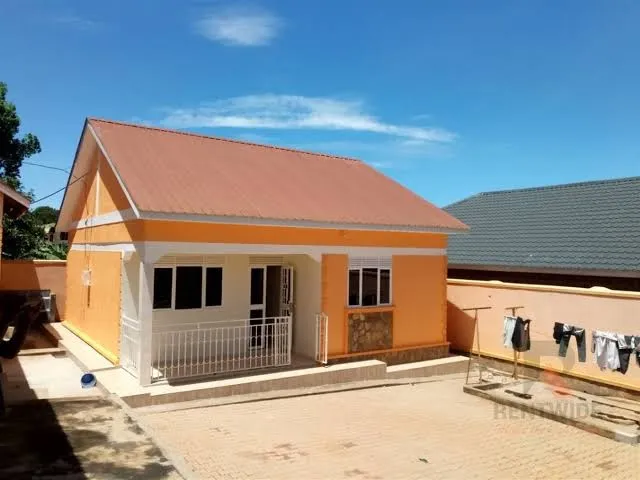
    For many Ugandans, the idea of owning a home feels out of reach. With rising living expenses and low wages, building a house is often viewed as something only wealthy individuals or real estate developers can afford. However, according to Bruce Nuwagaba, a construction engineer, this belief is misleading. He argues that with careful planning and realistic expectations, even someone earning between Shs700,000 and Shs1 million per month can construct a decent two-bedroom home.

    The key, according to Nuwagaba, lies in smart budgeting, practical choices, and avoiding unnecessary luxury finishes. While the cost of construction has increased over time, understanding the breakdown of expenses and knowing where to cut back can make home ownership a practical goal for the average Ugandan.

    Understanding the Total Cost

    A basic two-bedroom house suitable for a small family can cost anywhere between Shs70 million and Shs90 million. This estimate assumes the use of moderately priced materials, avoiding expensive finishes and luxury fittings. It’s also important to note that this figure does not cover general exterior works such as compound paving, boundary walls, landscaping, or septic tanks, nor does it include VAT. However, with a phased construction plan, one can spread the expenses over time, making it easier to manage.

    The process begins with having licensed building plans prepared by a professional planner and approved by municipal authorities. Once the legal groundwork is set, construction can begin with site clearance and foundation work.

    Breaking Down the Construction Stages

    1. The Foundation

    For a standard two-bedroom house, a strip foundation is usually recommended. This type of foundation involves a continuous strip of concrete under load-bearing walls. It’s one of the most affordable yet structurally sound options for average soil conditions.

    Excavation for the foundation can cost as little as Shs7,000 per cubic meter, with labor included. If your land is in a waterlogged area, however, additional reinforcement will be needed. In such cases, you might require hardcore material for stabilization, which costs around Shs65,000 per cubic meter.

    Sometimes, the excavated soil cannot be reused for backfilling due to poor quality. In such cases, well-graded murram may be needed, costing between Shs25,000 and Shs30,000 per cubic meter in areas like Wakiso.

    2. The Walls

    The decision to use bricks or concrete blocks is one of the most crucial cost factors. Well-burnt clay bricks are the more affordable option, priced at approximately Shs380 each. In contrast, concrete blocks are significantly more expensive, at around Shs3,300 each including transportation.

    Cement is another vital component. The price varies based on the type and brand. Pozzolana Tororo Cement (CEM IV) costs about Shs26,000 per bag, while the stronger Ordinary Portland Cement can go up to Shs41,000. Both types are suitable for plastering, brick laying, and concrete work, depending on the required strength.

    Sand, a basic but essential material, costs about Shs70,000 per cubic meter. Together with cement and water, it forms the mortar and concrete used throughout the structure.

    3. The Roof

    Roofing is often one of the most expensive components of a house, but it doesn’t have to break the bank. Timber is needed for the roofing frame. Kalitunsi (eucalyptus) timber pieces cost about Shs7,000 each, while pine goes for about Shs8,000 per piece.

    For covering the structure, galvanized iron sheets are a common and durable option. A 26-gauge versatile iron sheet costs around Shs65,000. The total roofing cost will depend on the house size and the complexity of the roof design, but sticking to a simple gable or hipped roof can help reduce costs.

    4. Finishes

    The final stage of construction is what gives your home its identity and comfort. This includes paint, tiles, plumbing fittings, doors, and windows.

    Paint varies widely in price depending on the brand and type. A good-quality emulsion paint that is washable and has a silky finish ranges from Shs20,000 to Shs58,000, depending on the number of liters.

    Floor tiles cost about Shs23,000 per square meter, while wall tiles go up to Shs22,000. For a standard two-bedroom house, these costs can be minimized by tiling only essential areas like bathrooms and kitchens.

    Plumbing fixtures like wash-hand basins and toilets are essential but affordable. A decent wash basin costs around Shs 100,000, and a toilet costs about Shs 250,000. These prices are for functional models, with more luxurious ones costing significantly more.

    Making the Dream a Reality

    According to Bruce Nuwagaba, what often stops people from building is not just the cost, but the mindset. Many assume they must complete the entire project at once or start with a grand design. However, building in phases—starting with the foundation and walling, then moving on to roofing, finishes, and outdoor work—makes it more manageable for a modest earner.

    Land acquisition remains a separate challenge, but for those who already own land or can access land through family, starting construction becomes even more realistic. Additionally, engaging professionals who can offer cost-saving tips and reliable project management can prevent unnecessary expenses and delays.

    Conclusion

    Home ownership is not a fantasy reserved for Uganda’s elite. With knowledge, planning, and determination, even someone earning a monthly income of under Shs1 million can gradually build a home. It may take time, patience, and sacrifice, but the result is a permanent asset that provides security, stability, and peace of mind.


    By demystifying the construction process and breaking down the costs, Bruce Nuwagaba offers hope and practical guidance to average Ugandans who have long believed that building a house is beyond their means. It’s not just possible—it’s within reach.

  • Breaking News: Former FDC Deputy President Patrick Baguma Dies in Entebbe

    Breaking News: Former FDC Deputy President Patrick Baguma Dies in Entebbe

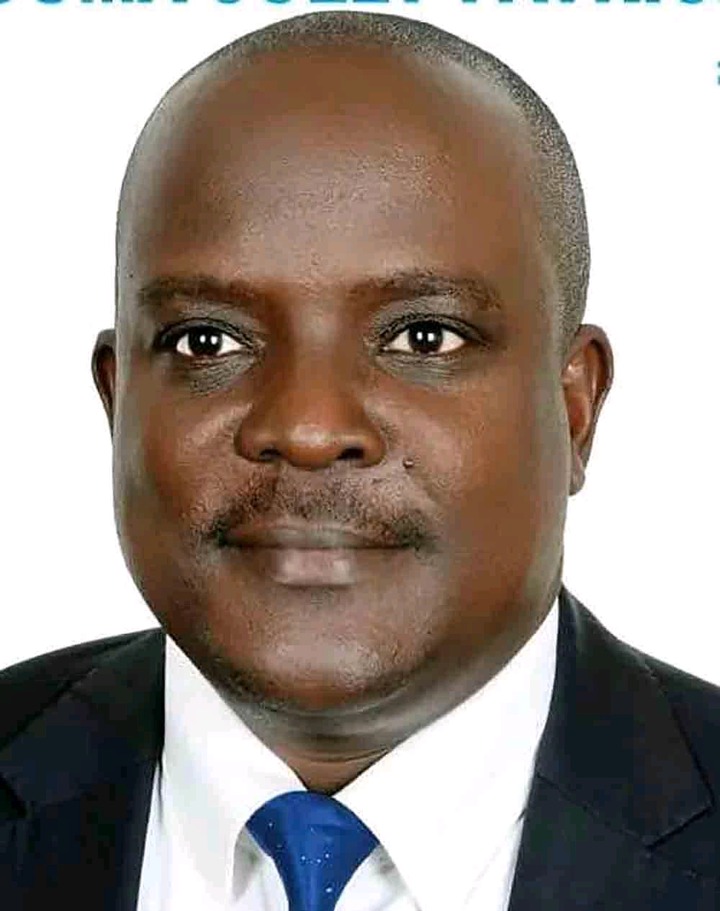
    Former Forum for Democratic Change (FDC) deputy president for Western Uganda, Patrick Baguma Ateenyi, has died, leaving behind a legacy of political dedication and entrepreneurship.

    Baguma, who also made his mark in Uganda’s business community, passed away in Entebbe, according to sources close to the family. The cause of death has not yet been disclosed publicly.

    A prominent political figure in the early 2000s, Baguma was instrumental in building FDC structures in Western Uganda and remained a key voice within the opposition ranks during his time.

    His leadership within FDC helped the party gain visibility and support in regions traditionally dominated by the ruling NRM, making him a respected figure across political divides.

    Colleagues in the opposition and political analysts described him as a principled and calm strategist who championed multiparty democracy and justice.

    Beyond politics, Baguma was also a successful businessman whose ventures contributed to employment and local economic growth, especially in the western region.

    He maintained close ties with his community even after stepping back from frontline politics, supporting development projects and youth initiatives.

    The FDC party and several political leaders have expressed deep sorrow at his passing, praising his service and commitment to Uganda’s political evolution.

    Funeral arrangements are underway, and more details are expected from his family and the FDC leadership in the coming days. Baguma’s death marks the end of an era for many who knew him as a dedicated leader and humble community figure.

  • Businessman Remanded Over UGX376 Million Fake Gold Scam Targeting U.S. Investor

    Businessman Remanded Over UGX376 Million Fake Gold Scam Targeting U.S. Investor

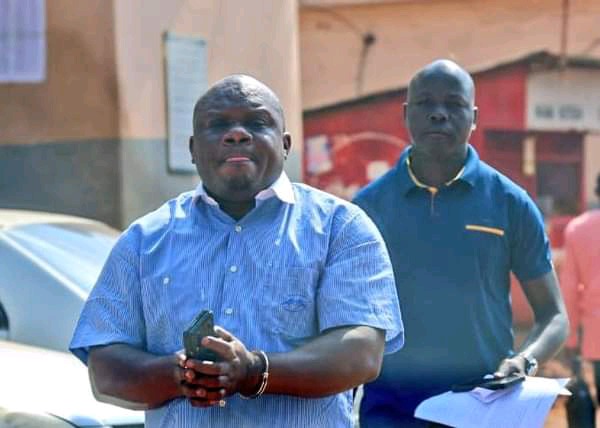
    Egesa Mackland, a Ugandan businessman, has been charged before the KCCA Grade 1 Magistrates’ Court. The Anti-Corruption Unit at State House, in conjunction with the Criminal Investigations Directorate and ODPP Uganda, led the prosecution.

    Mackland faces charges of obtaining money by false pretense and conspiracy to defraud. His appearance in court follows a joint investigation into a high-value fraud scheme targeting a foreign investor.

    According to prosecution, between February and June 2024, Mackland and others conspired to defraud an American national. They allegedly misled him with a fake gold deal.

    The accused falsely claimed they could supply the investor with 20 kilograms of pure gold. The promise, however, was not backed by any genuine product or intent to deliver.

    In total, the American investor was reportedly swindled out of USD 105,000. The money was obtained under false pretenses, according to court filings.

    Mackland now joins his co-accused, Kizito Dalton, who was earlier charged and remanded on similar grounds. Both are believed to have operated together in executing the fraud.

    The court session was held at the KCCA Grade 1 Magistrates’ Court, where both the prosecution and defense made brief submissions. No plea was taken.

    Following the court appearance, the magistrate ordered Mackland to be remanded. He will remain in custody pending further hearings.

    His next court appearance is scheduled for July 23, 2025. Investigations into the case are still ongoing as authorities aim to recover the defrauded funds.