Real estate experts in Uganda have noted a growing trend of office and hotel developments spreading beyond Kampala, particularly into the districts of Mukono and Wakiso. According to market analysts, the oversaturation of office space in Kampala has pushed businesses to explore alternative locations within the Kampala Metropolitan Area, where most commercial activities take place.
A recent study showed that demand for high-quality office space in the capital increased by 4 percent, mainly in Class A and B properties that cater to high-income tenants and multinational corporations. Analysts suggest this trend reflects a broader shift in Uganda’s commercial real estate landscape, with peripheral districts emerging as viable alternatives to the city centre.
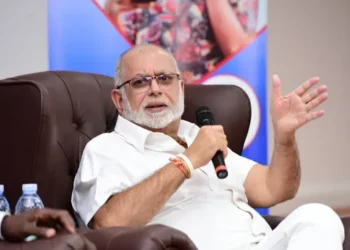
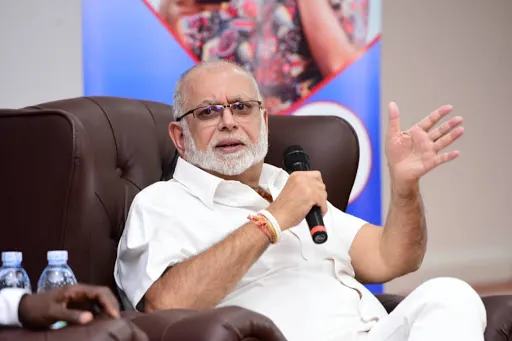
Industry observers also point to Uganda’s growing hospitality sector as a key driver of investment. By 2019, the country had over 3,800 hotel establishments with more than 250,000 rooms, predominantly owned by domestic investors. Real estate experts credit local business leaders, particularly Dr. Sudhir Ruparelia, chairman of Ruparelia Group, with significantly expanding the nation’s commercial and hospitality infrastructure.
Among the group’s major ongoing projects is the Kabira Country Club expansion in Bukoto, Kampala. According to experts, the development includes squash courts, indoor and outdoor restaurants, a youth and business centre, conference facilities, pool-side apartments, a six-lane bowling alley, underground parking, and a luxury shopping mall. The project’s proximity to the Central Business District, schools, residential neighborhoods, and diplomatic zones enhances its commercial appeal.
Another significant project is the second phase of Kingdom Kampala, a mixed-use development in the heart of the city. Real estate consultants note that the project spans 16,500sqm of luxury hotel space, 40,000sqm of corporate offices, a 30,000sqm shopping centre, and residential apartments. Construction of the 200-room Kingdom Kampala Hotel, expected to be completed by 2026, is already underway.
The Pearl Business Park, developed on the former Chieftaincy of Military Intelligence site along Yusuf Lule Road, is also attracting attention. Experts describe the 18-acre facility as a mixed-use hub with plans for a 5-star hotel, shopping mall, and modern hospital, reflecting the growing trend of integrated commercial spaces in Kampala.
In the hospitality sector, joint ventures between government and private investors are also driving growth. The modern Convention Centre at Commonwealth Speke Resort Munyonyo, co-funded by the Ministry of Finance and Ruparelia Group, will host major international summits. Observers say the project demonstrates how public-private partnerships can accelerate infrastructure development in Uganda.
Additionally, the five-star Speke Resort and Convention Centre in Entebbe is set to feature a marina, convention facilities, and a three-winged hotel block with penthouse suites. Real estate analysts highlight the Ruparelia Group’s portfolio across Kampala and Entebbe, including properties under the Speke Group of Hotels such as Commonwealth Resort, Dolphin Suites, Forest Cottages, and recently expanded Speke Apartments.
Experts conclude that ongoing investments in office space and hospitality by leading local developers, combined with rising demand from businesses and tourists, position Uganda as a key real estate and investment destination in East Africa.