Blog

  • Sudhir Ruparelia: The Billionaire Who Rebuilt Uganda After Amin’s Ruins

    Sudhir Ruparelia: The Billionaire Who Rebuilt Uganda After Amin’s Ruins

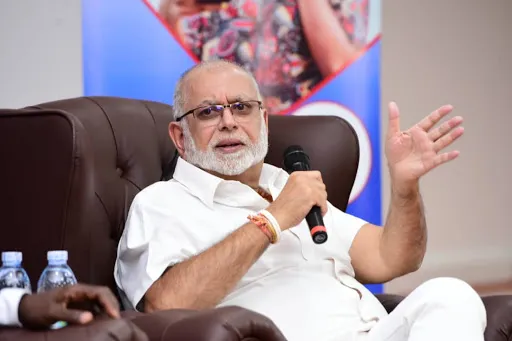
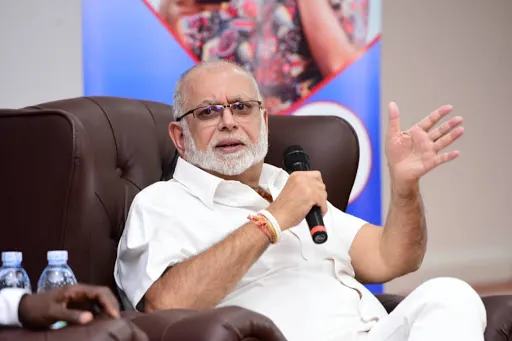
    Among Africa’s most enduring fortunes stands Dr. Sudhir Ruparelia, a Ugandan-born businessman of Indian heritage whose story reflects both struggle and success. His life is a story of hard work, migration, and the promise of the African dream.

    Dr. Ruparelia is the founder and chairman of the Ruparelia Group, one of East Africa’s largest private enterprises. He is widely regarded as Uganda’s richest man. His journey began with a family legacy that crossed oceans and survived political and economic hardship. Today, his companies operate in real estate, banking, education, insurance, hospitality, and agriculture. Together, they have helped rebuild Uganda’s economy after years of conflict and instability.

    In 2015, Forbes estimated his wealth at 800 million dollars. Economic challenges and new financial regulations later reduced part of his fortune, but he recovered through determination and business skill. By late 2023, his net worth had grown again to around 1.2 billion dollars. His story shows that success is not permanent but can be rebuilt through patience and focus. He believes wealth should serve a purpose, not just personal gain, and often says that building institutions that last is the best measure of achievement.

    The Ruparelia family story began in Porbandar, Gujarat, in 1897, when Sudhir’s great-grandfather left India for Mombasa, Kenya. Like many migrants from western India, he was drawn by stories of opportunity in East Africa. By 1903, the family had moved to Uganda, which was then under British rule. They opened a trading store in Jinja and later a petrol station near Queen Elizabeth National Park. These early ventures made the family part of Uganda’s growing economy.

    Their life changed suddenly in 1972 when President Idi Amin expelled Uganda’s Asian community. More than 60,000 people were forced to leave the country within 90 days, abandoning their businesses and homes. Sudhir was only sixteen when this happened. His parents fled to the United Kingdom, and he later followed them to London, beginning a new life with nothing.

    In London, life was not easy. He worked in factories and lived in small rooms with other refugees. Those early years taught him discipline and endurance. He began saving money through small real estate deals and learned the importance of planning, persistence, and financial independence. By 1985, he had saved 25,000 dollars, enough to return to Uganda, which had started to recover after years of turmoil.

    Through that experience, he came to understand what he calls the African Dream. He says life in the West offers comfort but little freedom to take risks, while Africa is full of challenges but also full of opportunity. Success here depends on creativity and hard work, not on one’s background.

    When he returned home in the mid-1980s, Uganda was still struggling to rebuild. The economy was weak, and many businesses had collapsed. To him, this was a chance to start again. He began with a small wholesale business, importing beer, salt, and wine from Kenya. Later, he founded Crane Forex Bureau, the first licensed foreign exchange bureau in Uganda. By the early 1990s, it was earning more than many commercial banks.

    In 1995, Sudhir founded Crane Bank with one million dollars in starting capital. Within ten years, it had become Uganda’s second-largest private bank with more than 38 branches. It became a symbol of local enterprise and confidence in Ugandan ownership. When Crane Bank faced regulatory challenges in 2016, he defended his company and reputation through years of legal battles, proving his resilience and strength in business.

    Beyond banking, Sudhir Ruparelia transformed the look and feel of Uganda’s capital city. His Ruparelia Group owns more than 200 companies that shape Kampala’s skyline and economy. The Speke Group of Hotels, Kabira Country Club, Victoria University, Kampala Parents School, Sanyu FM, and Premier Roses, Uganda’s largest flower exporter, are all part of his business empire. Because of his vast investments in real estate, many Ugandans call him “The Landlord of Kampala.”

    For Dr. Ruparelia, success is about more than buildings or bank accounts. He believes in creating opportunities for others through education and employment. His investments in schools and universities show his belief that knowledge is the foundation of progress. He also supports Uganda’s tourism and hospitality industry, seeing it as a way to connect the country to the world.

    In the heart of Kampala, his modern buildings reflect the city’s growth and his lifelong dream of rebuilding his homeland. His journey from exile to empire remains one of the most inspiring business stories in Africa. It shows how courage, vision, and persistence can turn hardship into prosperity and hope.
  • Ruparelia Foundation Announces 100 Master’s Scholarships in Memory of Rajiv Ruparelia

    Ruparelia Foundation Announces 100 Master’s Scholarships in Memory of Rajiv Ruparelia

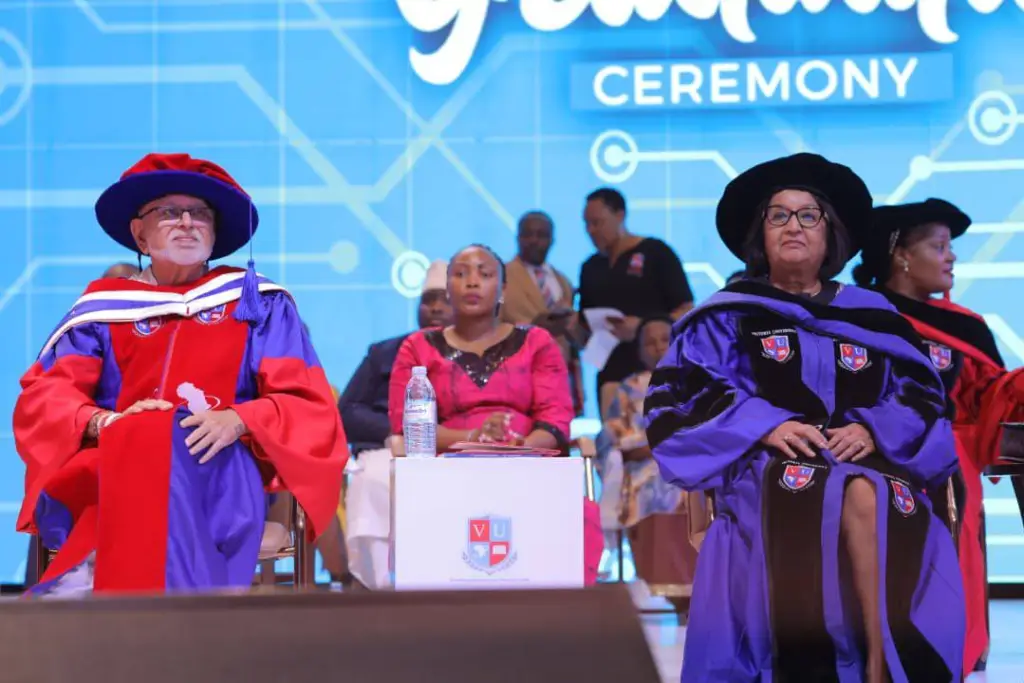
    The Ruparelia Foundation has announced one hundred fully funded Master’s Degree scholarships in memory of the late Rajiv Ruparelia. The announcement was made by Dr. Sudhir Ruparelia and his wife, Mrs. Jyotsna Ruparelia, during Victoria University’s ninth graduation ceremony held at Speke Resort Munyonyo.

    The scholarships are designed to honor Rajiv’s legacy of supporting young people through education. Rajiv, who passed away in May 2025 at the age of thirty-five, played a key role in shaping Victoria University’s growth and success.

    He was widely known for his commitment to empowering young Africans and for his efforts to strengthen the university as a hub for innovation, creativity, and talent development.

    Speaking at the ceremony, Dr. Sudhir said the scholarship program is a way to keep Rajiv’s vision alive. “This initiative reflects Rajiv’s deep belief in empowering the next generation. We hope these beneficiaries will continue the work he was devoted to,” he stated.

    His remarks were met with warm applause from graduates, parents, and guests attending the event.

    The new scholarship program builds on the Ruparelia Foundation’s long history of philanthropy in education. The foundation previously provided tuition relief during the COVID-19 pandemic and has awarded more than one thousand scholarships to Ugandan students over the years.

    According to the foundation, this latest initiative seeks to support talented graduates at a time when many young people face barriers to advanced education and formal employment.

    Victoria University Vice Chancellor Dr. Lawrence K. Muganga described the gesture as both a tribute to Rajiv’s legacy and an investment in Uganda’s future.

    The chief guest, His Majesty William Wilberforce Gabula Nadiope IV, the Kyabazinga of Busoga, praised the Ruparelia family for transforming personal grief into hope for the country’s next generation of leaders.

    The graduation ceremony, held under the theme “Shaping the Future: Innovation, Digitality and Employability,” featured an emotional visual tribute to Rajiv Ruparelia, celebrating his life, his work, and the values he championed.

  • Ugandan Farmers Need Better Training, Experts Urge Government to Back Agroecology

    Ugandan Farmers Need Better Training, Experts Urge Government to Back Agroecology

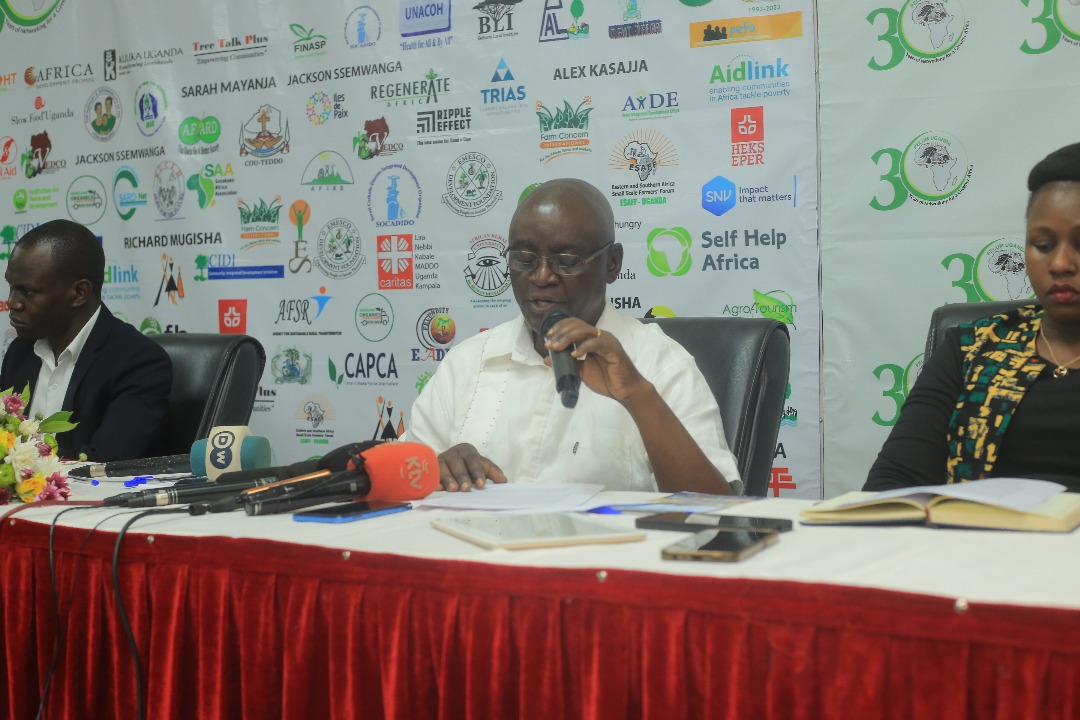
    Agricultural experts in Uganda are calling on the government to adopt more robust farmer-training programmes and institute policy reforms to promote agroecology as a pathway to resilient and sustainable food systems. The call was issued at the launch of the Agroecology Week of Action 2025 on October 27, which is being organised to raise awareness and mobilise action around ecological farming.

    At the event, PELUM Uganda Country Coordinator Ms Josephine Akia emphasised that agroecology is more than ‘organic farming’. She described it as a holistic approach that applies both ecological and social concepts to the design and management of agriculture and food systems. Ms Akia warned that without strong institutional support, Uganda risks losing its indigenous food systems, seeds, and biodiversity—key assets for nutrition and resilience in the face of climate change.

    She noted that the government, in partnership with PELUM Uganda, has announced plans for the country’s first National Agroecology Strategy. The strategy aims to support wider adoption of ecological farming practices, encourage relevant research, and develop markets for sustainably produced food.

    PELUM’s Board Chairperson Mr Christopher Kyeswa indicated that the week’s events will bring together more than 1,500 stakeholders including small-scale farmers, indigenous knowledge holders, producer organisations, the private sector, researchers and policy-makers. Among the highlights are the 7th National Agroecology Actors’ Symposium and the 4th Agroecological Market Systems Expo.

    Experts say the push for agroecology comes at a critical moment. Uganda faces pressures from climate change, environmental degradation and food insecurity. They argue that enabling policies, accessible training and seed-systems reforms are central to enabling smallholder farmers to transition from conventional to ecological agriculture.

    As the week progresses, attention will turn to how policy commitments are translated into practical actions at the grassroots level, such as extension services and farmer training modules that integrate local knowledge, land rights and market access.

  • Sudhir Ruparelia Leads Indian Community in Diwali Celebration at State House

    Sudhir Ruparelia Leads Indian Community in Diwali Celebration at State House

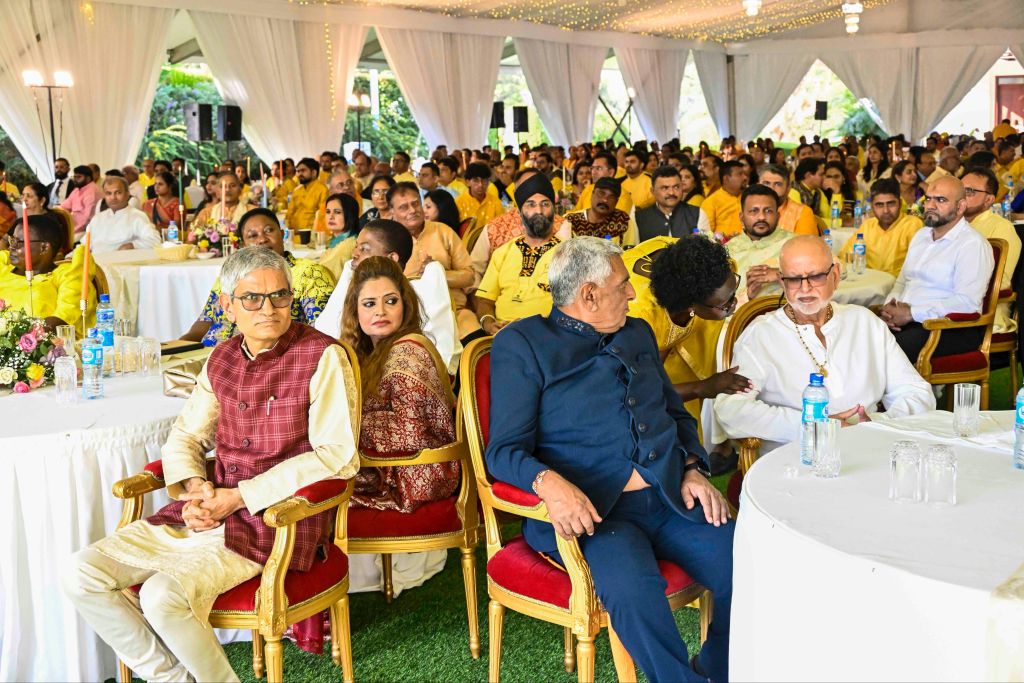
    Uganda’s renowned businessman, Dr. Sudhir Ruparelia, took a leading role on Sunday as members of the Indian community gathered at State House Entebbe to celebrate Diwali, the festival of lights. The event was hosted by President Yoweri Museveni and First Lady Janet Museveni, bringing together diplomats, investors, and families in a joyful evening filled with colour, music, and cultural pride.

    Dr. Sudhir’s presence stood out as a symbol of the deep connection between Uganda and the Indian community. As Uganda’s richest man and one of East Africa’s most respected investors, his leadership at the event reflected the continued bond of trust and partnership that has shaped Uganda’s modern economy. Many in attendance described him as a bridge between cultures and a living example of how business and goodwill can unite people.

    President Museveni praised the Indian community for their resilience and contribution to Uganda’s progress, recalling how many returned to rebuild their lives after the expulsion of 1972. He expressed gratitude for their confidence in Uganda’s leadership and their role in developing industries that continue to provide jobs and skills to Ugandans. “When we called them back after Amin’s mistakes, they returned and trusted Uganda again. I thank them for that confidence,” the President said.

    The celebration featured traditional Diwali lamps, prayers, and a shared dinner that emphasized peace and friendship. Guests described the atmosphere as one of warmth and inclusion, with both Ugandans and Indians celebrating as one family.

    For Dr. Sudhir, the evening carried a deeper meaning — it was a moment to honour heritage, unity, and the spirit of renewal that Diwali represents. His active involvement reaffirmed his position not only as a business icon but also as a cultural ambassador who continues to strengthen the historic ties between Uganda and the Indian community.

    As the lights of Diwali illuminated State House, the message of the night echoed across Entebbe — a celebration of friendship, faith, and shared prosperity, led by one of Uganda’s most influential sons, Dr. Sudhir Ruparelia.

  • Sudhir Ruparelia Among First Diplomats to Use Uganda’s New Digital Number Plates

    Sudhir Ruparelia Among First Diplomats to Use Uganda’s New Digital Number Plates

    Business mogul and Honorary Consul of Nepal to Uganda, Dr. Sudhir Ruparelia, has added a new diplomatic vehicle to his collection, this time featuring Uganda’s newly introduced digital number plates. The elegant white Lexus SUV, registered under diplomatic plate number HC 151 001U, was recently seen in Kampala, easily recognizable by its distinct red consular plate, which signifies his diplomatic status.

    Dr. Ruparelia, who also serves as chairman of the Ruparelia Group, was appointed Honorary Consul of the Republic of Nepal in 2020, a role through which he has helped strengthen ties between Uganda and Nepal. His appointment has been instrumental in boosting trade, tourism, and investment cooperation between the two nations.

    When he first assumed his consular duties in 2020, he received his initial diplomatic vehicle. The recent upgrade featuring the digital diplomatic plate aligns with the government’s modernization efforts under the Intelligent Transport Monitoring System (ITMS), a program designed to improve accountability, vehicle tracking, and national road safety.

    The new number plates, which are being rolled out across the country, are fitted with advanced tracking chips and security features that make it easier for authorities to identify vehicles and monitor compliance.

    Dr. Ruparelia’s new Lexus, which carries the official “HC” code for honorary consuls, represents not only diplomatic recognition but also Uganda’s growing move toward digital innovation. The vehicle’s registration under the new system reflects the state’s commitment to introducing technology-driven governance across sectors, including transport.

    Observers say that Sudhir’s adoption of the system underscores his support for Uganda’s digital transformation agenda, especially in aligning private sector leadership with national reform programs. His continued embrace of modernization mirrors his long-standing efforts to promote Uganda’s global image and economic growth through innovation, diplomacy, and investment.

    As an Honorary Consul, Dr. Ruparelia continues to represent Nepal’s interests in Uganda while fostering bilateral partnerships that benefit both nations. His new diplomatic vehicle, fitted with the latest digital number plates, stands as a symbol of progress — linking diplomacy, technology, and Uganda’s vision for a smarter future.

  • Inside the World of Sudhir Ruparelia: Uganda’s Multi-Talented Property Baron

    Inside the World of Sudhir Ruparelia: Uganda’s Multi-Talented Property Baron

    In Uganda, a country known for its energy, warmth, and opportunity, Dr. Sudhir Ruparelia stands out as one of the most admired figures of his time. From airport executives at Entebbe to street vendors along Kampala Road, his name is known and respected across every corner of the nation. To many Ugandans, he is the man whose ambition shaped the modern face of Kampala and set the benchmark for business success across East Africa.

    At 69, Dr. Sudhir remains Uganda’s richest man and among Africa’s most accomplished investors. He heads the Ruparelia Group, a vast business empire spanning real estate, education, hospitality, finance, agriculture, and insurance. His enterprises are deeply woven into the fabric of Uganda’s economy, employing thousands of people and attracting partnerships from around the world.

    Sudhir’s dominance in real estate is unmatched. He is the country’s largest private property owner, with over 400 high-value developments spread across Kampala and other major towns. His projects range from modern office towers to luxury apartments and shopping malls that have transformed the city’s skyline. Landmarks such as Crane Towers, Kingdom Kampala Mall, and Speke Apartments have become symbols of Uganda’s urban progress. It is no surprise that even President Yoweri Museveni has publicly noted that Sudhir’s real estate revenues rival Uganda’s major export earnings.

    His influence extends beyond property. In the hospitality sector, Sudhir’s name is synonymous with excellence. The Speke Resort and Conference Centre in Munyonyo has grown into Uganda’s premier venue for international conferences and summits, capable of hosting more than 5,000 delegates. Other renowned establishments under his group, including Kabira Country Club, Forest Cottages, Dolphin Suites, and the historic Speke Hotel, have become trusted choices for tourists, business leaders, and visiting dignitaries. The group’s expansion into regional tourism, with new resorts along Lake Victoria and luxury lodges in western Uganda, continues to strengthen the country’s image as a world-class destination.

    Sudhir’s business journey began modestly in the 1980s with a small foreign exchange operation. Over time, that venture grew into a financial network that now includes insurance companies and investment firms among the strongest in Uganda’s private sector. His work in expanding access to finance and supporting Uganda’s capital markets has earned him recognition from both government leaders and business peers.

    Yet among all his ventures, Sudhir often describes education as his proudest legacy. Through institutions like Kampala Parents School, Kampala International School Uganda, and Victoria University, he has set new standards for quality learning in East Africa. Under the Ruparelia Foundation, these schools not only deliver academic excellence but also offer scholarships to underprivileged students. His philanthropy extends to healthcare, sports, and environmental initiatives, from hospital donations during the COVID-19 crisis to youth empowerment and entrepreneurship programs across the country.

    As of 2025, Sudhir Ruparelia’s net worth is estimated to exceed 1.2 billion dollars, placing him among Africa’s elite billionaires. Despite this immense wealth, he remains approachable and deeply connected to the Ugandan community. Whether attending cultural events, charity drives, or local gatherings, Sudhir continues to embody humility and national pride.

    His life story remains one of Uganda’s most inspiring. Forced into exile during the Idi Amin era, Sudhir returned home with just 25,000 dollars and rebuilt his life from scratch. Decades later, his vision and determination have turned that humble beginning into one of the continent’s most successful business empires.

    To many Ugandans, Dr. Sudhir Ruparelia represents more than financial success. He is a builder of institutions, a believer in Uganda’s future, and a reminder that resilience and hard work can shape history. His enduring message is simple yet powerful: with focus, integrity, and faith in one’s country, there is no limit to what can be achieved.

  • Sudhir Ruparelia Honored as Uganda’s Leading Honorary Consul General

    Sudhir Ruparelia Honored as Uganda’s Leading Honorary Consul General

    For years, Dr. Sudhir Ruparelia has been known as one of Uganda’s most successful entrepreneurs. But beyond business, he has quietly built a legacy in diplomacy. This month, that effort was officially recognized once again when he was voted Uganda’s Best Honorary Consul General, following a national survey that celebrated his commitment to strengthening relations between Uganda and Nepal.

    The survey, conducted over three months, named Dr. Ruparelia the top-performing honorary consul for his consistent work in promoting trade, tourism, and investment between the two countries. Participants praised him not just for opening economic opportunities but also for making Ugandans feel a personal connection to Nepal.

    According to many respondents, his influence has gone beyond boardrooms and official events. Several Ugandans have found business partnerships and employment opportunities in Nepal through connections facilitated by the consul’s office. “He has turned diplomacy into action,” one respondent remarked.

    Appointed in February 2020 by President Bidhya Devi Bhandari of Nepal, Dr. Ruparelia became the first person to represent the Himalayan nation in Uganda. He formally launched Nepal’s consulate at Crane Chambers, Kampala, after presenting his credentials to then Foreign Affairs Minister Hon. Sam Kutesa. Since then, the consulate has grown into a hub for cultural exchange and business cooperation.

    One of the highlights of his tenure has been the annual Nepal Constitution Day celebrations, which he hosts in Kampala. These events have brought together Ugandans and Nepalese residents to share food, music, and friendship. In September 2025, he held yet another lively ceremony, cutting cake alongside guests and emphasizing the shared values of peace, unity, and mutual respect between the two countries.

    Dr. Ruparelia has also focused on education diplomacy. Under his guidance, a scholarship exchange program between Uganda and Nepal was launched to connect students and create new learning pathways. The initiative aims to encourage collaboration among young people while preparing them for global opportunities.

    As a businessman, Dr. Ruparelia’s name needs no introduction. Through the Ruparelia Group, he has built one of East Africa’s largest private enterprises, spanning real estate, education, insurance, hospitality, and media. His companies — including Speke Resort Munyonyo, Victoria University, Kampala Parents School, Goldstar Insurance, and Sanyu FM — employ thousands of Ugandans.

    But behind the success is a personal story of resilience. Born in Kabatoro, Kasese District, he fled Uganda during the 1972 expulsion of Asians and worked menial jobs in the United Kingdom. When he returned in 1985 with just $25,000, few imagined he would one day shape Uganda’s skyline and economy.

    Over the years, his leadership has earned him multiple honors. In 2019, he was recognized by Public Opinions International as a Certified Uganda Development Champion, and he later received an Honorary Doctorate in Business from Uganda Pentecostal University for his contribution to national growth.

    Today, as he adds the title of Uganda’s Best Honorary Consul General to his long list of achievements, Dr. Ruparelia remains focused on creating impact beyond wealth. His work as Nepal’s envoy in Uganda continues to bridge cultures and open doors for trade and education.

    He calls it “a privilege to serve both nations,” and the recognition affirms that his influence now stretches far beyond the business world — into the heart of Uganda’s diplomatic and development story.

  • BoU Loses Again as Supreme Court Awards Sudhir Ruparelia and Meera Investments Shs1 Billion Over Illegal Crane Bank Closure

    BoU Loses Again as Supreme Court Awards Sudhir Ruparelia and Meera Investments Shs1 Billion Over Illegal Crane Bank Closure

    The Supreme Court of Uganda has delivered another decisive judgment in favor of businessman Dr. Sudhir Ruparelia and his company Meera Investments Limited, ordering the Bank of Uganda to pay them a combined Shs 1 billion in legal costs over the long-running Crane Bank dispute.

    A panel of three justices, led by Chief Justice Alfonse Owiny Dollo, with Justices Elizabeth Musoke and Stephen Musota, made the ruling on October 17, 2025, following an appeal by Sudhir and Meera challenging an earlier decision that had drastically reduced their legal cost award.

    The Court found that both Sudhir and Meera were separate legal entities entitled to individual payments of Shs 500 million each, bringing the total payable by the Bank of Uganda to Shs 1 billion. The judgment partly upheld an earlier decision by Justice Mike Chibita but clarified that it was wrong to treat Sudhir and Meera as a single party since they were each sued in their own right.

    Chief Justice Owiny Dollo noted that the law does not prevent more than one party represented by the same lawyer from submitting separate bills of costs. He said the only costs that should be rejected are those that are duplicated or unnecessary.

    The ruling adds to a series of courtroom victories for Sudhir and Meera, who have fought a nearly decade-long legal battle following the controversial closure of Crane Bank in 2016. The Bank of Uganda took over the bank, claiming it was undercapitalized, and later sold its assets to DFCU Bank under circumstances that have since been widely criticized as irregular and unlawful.

    In 2017, the central bank, acting through the defunct Crane Bank (in receivership), sued Sudhir and Meera Investments, accusing them of misappropriating huge sums of money and illegally taking over 48 branch properties. The High Court dismissed the case in 2018, ruling that Crane Bank in receivership had no legal capacity to sue. The Court of Appeal upheld the decision, and in 2021, the Supreme Court confirmed that position, declaring that the Bank of Uganda could not use the name of a bank that no longer existed to pursue legal action.

    After the victory, Sudhir and Meera sought to recover their legal costs, filing bills that totaled more than Shs 54 billion each, reflecting years of legal work and court appearances. The Supreme Court Registrar had valued the claim at Shs 458 billion and awarded Shs 45.8 billion in legal fees. However, the Bank of Uganda objected, and Justice Chibita later reduced the amount to Shs 500 million, which Sudhir and Meera appealed.

    In its latest ruling, the Supreme Court maintained that while the earlier Shs 45.8 billion award was excessive, the Bank of Uganda was still responsible for paying reasonable costs. Chief Justice Owiny Dollo explained that the case before the Supreme Court was not about money but about a point of law — specifically, whether Crane Bank in receivership could legally sue.

    He said it was wrong to calculate fees based on the alleged Shs 458 billion claim because the appeal had nothing to do with that figure. The Chief Justice also stated that the issues raised were not complex or novel and that instruction fees should be reasonable so that justice remains accessible to all.

    Justice Musoke fully agreed with the Chief Justice, while Justice Musota partly dissented, saying the applicants deserved a slightly higher award because of the scale and length of the litigation.

    The Supreme Court also upheld the earlier decision to limit interlocutory costs to Shs 5 million per application, instead of the Shs 50 million initially awarded, and confirmed that all other charges — including drawings, attendances, and perusals — were already covered under instruction fees.

    The Court reaffirmed that it is the Bank of Uganda, not Crane Bank, that must pay the Shs 1 billion since the central bank was the real party behind the lawsuit. Chief Justice Owiny Dollo noted that the courts had lifted the corporate veil over Crane Bank, exposing the Bank of Uganda as the actual entity responsible for initiating and financing the case.

    The decision effectively closes another chapter in Uganda’s most high-profile banking dispute. It also reinforces findings by Parliament, the Auditor General, and multiple courts that the Bank of Uganda mishandled the closure and sale of Crane Bank.

    The Auditor General’s 2018 report revealed that the central bank could not account for Shs 478 billion it claimed to have spent during receivership. It also noted that the sale to DFCU Bank was conducted without transparency or open bidding, in violation of proper procedures.

    Crane Bank, once among Uganda’s largest and most profitable banks, was owned by Sudhir through Meera Investments Limited. Its sudden closure, followed by years of court battles, sparked national debate about the Bank of Uganda’s regulatory conduct and accountability.

    For Sudhir Ruparelia and Meera Investments, the Supreme Court ruling stands as another legal vindication — confirming that the closure of Crane Bank was illegal, and that the Bank of Uganda acted outside the law. It also reaffirms their right to compensation for the years of wrongful litigation that followed.

  • URA Says Move to Sudhir’s Pearl Tower Will Boost Efficiency, Denies Shs18bn Rent Rumours

    URA Says Move to Sudhir’s Pearl Tower Will Boost Efficiency, Denies Shs18bn Rent Rumours

    The Uganda Revenue Authority (URA) has officially confirmed that several of its key departments will now operate from the RR Pearl Tower, a world-class commercial complex developed by Dr. Sudhir Ruparelia’s Ruparelia Group. The authority says the relocation will strengthen efficiency, improve accessibility, and enhance overall service delivery for taxpayers.

    URA’s Assistant Commissioner for Public and Corporate Affairs, Robert Kalumba, said the move reflects the institution’s continued growth and modernization efforts. He explained that Uganda’s rapidly expanding economy, driven by emerging industries such as oil, gas, and technology, has increased the need for more modern and spacious work environments.

    “Uganda’s economy is evolving, and URA must evolve with it. The RR Pearl Tower provides a modern setting that allows our staff to operate efficiently and deliver better services to the public,” Kalumba said.

    The RR Pearl Tower, a newly completed architectural landmark on Yusuf Lule Road in Kampala, was developed by the Ruparelia Group, one of Uganda’s leading real estate and investment companies. The tower will host critical departments including the Large Taxpayers Office, Public Sector Division, and Medium Taxpayer Division.

    Kalumba noted that the transfer to the new premises will be carried out in phases to ensure that all taxpayer services continue without interruption. He said the move closer to the Central Business District (CBD) will make it easier for businesses and individuals to access URA’s services.

    “The RR Pearl Tower brings URA closer to its clients. Its central location, world-class facilities, and modern infrastructure are ideal for the kind of professional work we do,” he added.

    Kalumba also addressed false reports circulating on social media claiming that URA would spend Shs 18 billion per year on rent at the Pearl Tower. He described the figures as misleading, emphasizing that the procurement process was fully transparent and conducted according to the Public Procurement and Disposal of Public Assets (PPDA) Act.

    “The building was selected through a competitive and lawful process. The contract was awarded to the lowest evaluated bidder, and the final decision was guided by value for money,” he clarified.

    He further explained that the relocation is part of URA’s digital transformation and modernization agenda, which focuses on improving efficiency, enhancing taxpayer engagement, and adopting smart technologies.

    Developed by Dr. Sudhir Ruparelia, the RR Pearl Tower stands as one of Uganda’s most advanced commercial properties, designed with modern energy systems, sustainable features, and high security standards. The project has received praise for its quality and architectural excellence, making it one of the most sought-after office spaces in the capital.

    Observers in the business community say URA’s decision to relocate to the RR Pearl Tower demonstrates confidence in the Ruparelia Group’s long-standing reputation for quality and reliability. The building’s completion has also been seen as a major contribution to Kampala’s modernization, further cementing Dr. Sudhir Ruparelia’s legacy as a key driver of urban and economic development in Uganda.

    By hosting a major national institution like URA, the RR Pearl Tower is not only redefining Kampala’s skyline but also reinforcing Sudhir Ruparelia’s vision of creating spaces that connect progress, professionalism, and public service.

  • Julia Muhumuza Nominated for National Female Youth MP, Vows to Champion Education and Empowerment

    Julia Muhumuza Nominated for National Female Youth MP, Vows to Champion Education and Empowerment

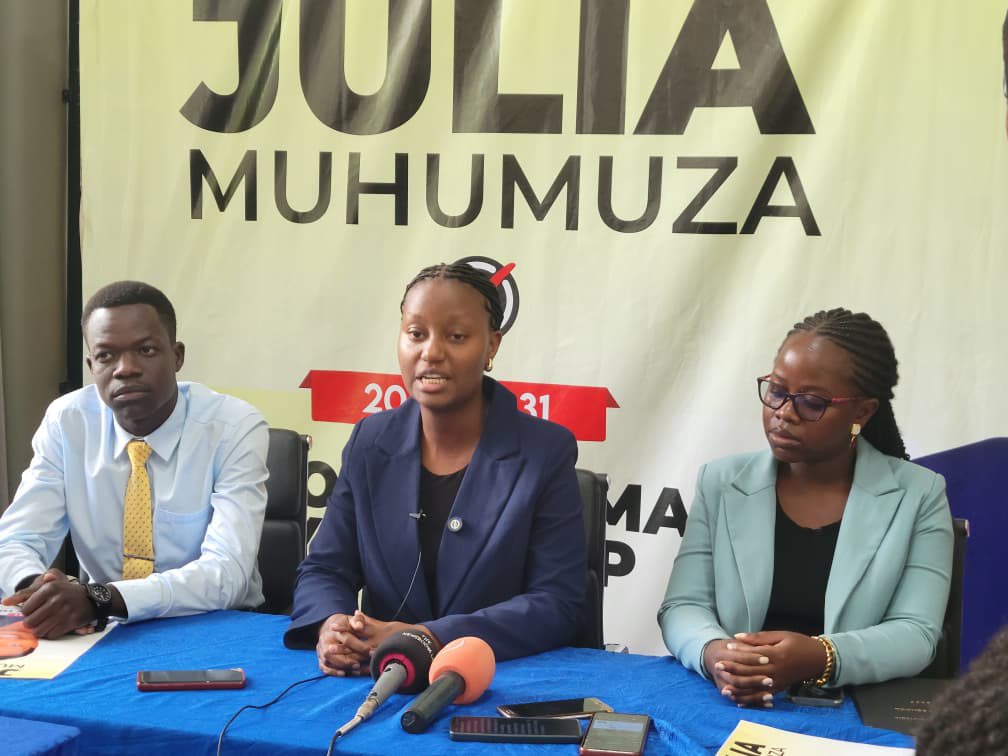
    The Electoral Commission has officially nominated Julia Muhumuza as a candidate for the position of National Female Youth Member of Parliament ahead of Uganda’s 2026 general elections. The nomination took place on Wednesday in Kampala, followed by a press conference at Fairway Hotel in Nakasero, where Muhumuza presented her vision to unite and empower young people under the theme “Leaving No Youth Behind.”

    Speaking after her nomination, Muhumuza said her decision to join the race was inspired by her faith in the strength and potential of Uganda’s youth to shape the nation’s future.

    “Today, with deep conviction and faith in the power of young people to shape our country’s future, I officially declare my candidature for National Female Youth MP,” she said.

    Muhumuza described her nomination as a call to serve and outlined key areas she intends to focus on, including education, empowerment, innovation, and skills training. She urged young Ugandans to work together regardless of political differences, saying that unity and collective effort are the only way to address the challenges they face.

    “We have seen several government programs targeting the youth, but the reality is that many young people remain out of school, unemployed, or unskilled,” she said. “This situation turns youth from being an asset into a liability for our nation. My goal is to change that.”

    She said she plans to advocate for the expansion of skilling centers across the country, explaining that the existing ones are not enough for Uganda’s growing youth population. Muhumuza also called for free and accessible education in all government schools, arguing that Universal Primary and Secondary Education programs have become “largely commercialized,” preventing many young people from completing their studies.

    “We must revive the true vision of free education,” she said. “Education is the most powerful equalizer. No young person should drop out because their family cannot afford school fees.”

    Muhumuza expressed support for the Graduate Fund and the proposed Startup Bill, saying both can play a major role in helping young business owners create jobs and contribute to national development. “Passing the Startup Bill would help young entrepreneurs survive beyond their first year, employ others, and drive Uganda’s economic transformation,” she said.

    As part of her gender-focused agenda, Muhumuza announced a National Reusable Pads Campaign aimed at reducing school dropouts among girls. She said the high cost of sanitary towels, especially in rural areas, continues to affect access to education.

    “It’s unacceptable that a girl’s education can end over the cost of a sanitary towel. We must ensure reusable pads are available in all government schools,” she said.

    She also committed to supporting the return of teen mothers to school, calling on the government and development partners to work together to restore hope and dignity for vulnerable young women.

    “This election is not about party colors. It’s about the future of Uganda’s youth,” she said. “Whether one belongs to NRM, opposition, or is independent, we all face the same challenges of unemployment, poverty, and limited opportunities. We must unite as young people to solve them.”

    Muhumuza encouraged youth to use their voices and votes wisely, saying that leadership change begins with informed choices. “Your vote counts more than the money. Your vote will speak volumes about what will happen in the next five years,” she said. “It is possible to pull this off.”

    Muhumuza is currently serving with the National Youth Council and has several years of experience in youth leadership and policy engagement. She holds a Bachelor’s Degree in International Business from Makerere University Business School, where she was named the overall best student at Makerere University’s 72nd graduation ceremony in 2022. She is now pursuing a Master’s in Public Policy at the University of Oxford in the United Kingdom.

    Although she is a member of the National Resistance Movement, Muhumuza clarified that her choice to contest as an independent does not mean she has broken ties with the party. “I am not going against my party,” she said. “I should not be denied an opportunity to represent the young people because I didn’t participate in the NRM primaries. In the end, it is the will of the people that matters.”

    Her leadership journey began at Makerere University Business School, where she ran for Guild President and later served as Minister for Gender. She now serves as Vice President of the Uganda National Students Association.

    “The girl child must be seen, must be heard, and must be fully represented,” she said. “This journey is about giving every young person, boy or girl, rural or urban, a voice and a chance to thrive.”

    Her nomination has been welcomed by several youth leaders and supporters who praised her as a confident and visionary young woman ready to inspire the next generation. Many believe her participation will bring a fresh and inclusive voice to Uganda’s 2026 National Youth elections.