Blog

  • Court Remands Kitagwenda LC5 Chairperson Over Alleged Sale of District Jobs

    Court Remands Kitagwenda LC5 Chairperson Over Alleged Sale of District Jobs

    The State House Anti-Corruption Unit, in Collaboration with the Criminal Investigations Directorate of the Uganda Police Force and the Office of the Director of Public Prosecutions, has arrested and arraigned the Kitagwenda District LC5 Chairperson, Mushemeza Ismail Kambanda, on multiple counts of obtaining money by false pretenses. Kambanda appeared before the Kamwenge Magistrates Court and was remanded until January 6, 2026.

    According to investigators, Kambanda, together with accomplices who are still at large, is accused of defrauding several job seekers between 2024 and 2025. The suspects allegedly promised victims employment opportunities, mainly in the Nursing and Midwifery departments of Kitagwenda District, despite the absence of any approved job vacancies.

    The case followed complaints from residents of Kitagwenda District who accused the LC5 Chairperson of extorting money from them under the guise of securing district jobs. Victims reported paying between UGX 5 million and UGX 15 million, either directly to Kambanda or through his agents. In return, they were issued what later turned out to be fake appointment letters and forged minutes purportedly from the District Service Commission.

    Problems arose when the victims attempted to report for duty and discovered that the appointment letters were not genuine and that the promised positions did not exist. Efforts to recover the money reportedly failed after Kambanda declined to refund the payments. The affected individuals subsequently reported the matter to the State House Anti-Corruption Unit, which coordinated with Kitagwenda Police and local leaders to launch formal investigations.

    Investigators further revealed that upon learning of the ongoing inquiries, Kambanda abandoned his office and went into hiding for several months before he was eventually tracked down and arrested.

    Authorities say investigations into the matter are still ongoing and have appealed to anyone who may have been extorted by the LC5 Chairperson to report to the police to aid the probe.

    The arrest comes as part of a broader national effort to combat corruption, particularly in district-level recruitment through District Service Commissions. President Yoweri Kaguta Museveni has repeatedly emphasized the need to eliminate the sale of government jobs. To date, the State House Anti-Corruption Unit has carried out investigations in more than 20 districts, including Mpigi, Gomba, Kyankwanzi, and Mukono, leading to the arraignment of over 15 officials on various corruption-related charges.
  • UPRS Reaffirms ‘Let Music Pay’ Message as Creative Industry Gains Momentum

    UPRS Reaffirms ‘Let Music Pay’ Message as Creative Industry Gains Momentum

    Creatives have been reminded that music is more than passion or talent, it is intellectual property with real economic value. This message took center stage as the Uganda Performing Rights Society (UPRS) marked 40 years of advocating for artists’ rights through its “Let Music Pay” initiative.

    Speaking at the event, Mr. Mugisha Herbert from UPRS delivered a firm but timely reminder to creatives across the country. He emphasized that every song has value and that creators deserve to earn fairly from their work. According to Mugisha, creativity is a form of commerce, and talent must be respected through proper payment of royalties whenever music is used commercially.

    The Ministry of Gender, Labour & Social Development also reaffirmed its commitment to supporting the creative industry. Representing the Ministry, Mr. Kyalimpa highlighted the sector’s growing importance in driving cultural development, creating jobs for young people, and contributing to national growth. He noted that the creative economy is no longer on the margins but has become a key pillar of Uganda’s development agenda.

    Inclusivity was another major highlight of the event. Solomon, Chairperson of WOK Creative Arts Foundation, welcomed the historic recognition of creatives from Northern Uganda, including West Nile, Acholi, Lango, and Karamoja. He described the move as a milestone that ensures regional artists are seen, heard, and empowered to participate fully in the national creative industry.

    As UPRS celebrates four decades of service, its “Let Music Pay” campaign continues to demonstrate how organized cultural systems can translate creativity into economic opportunity. The initiative ensures that musicians, producers, DJs, dancers, and performers are compensated fairly whenever their work generates income.

    The message was clear throughout the celebration: creativity is no longer a gamble. With strong institutions, supportive policies, and respect for intellectual property, artists can now confidently view their talent as a sustainable career,not just a dream.

  • Honoring Rajiv Ruparelia: Ruparelia Foundation Donates Christmas Gifts and Supplies to Support Children in Nansana

    Honoring Rajiv Ruparelia: Ruparelia Foundation Donates Christmas Gifts and Supplies to Support Children in Nansana

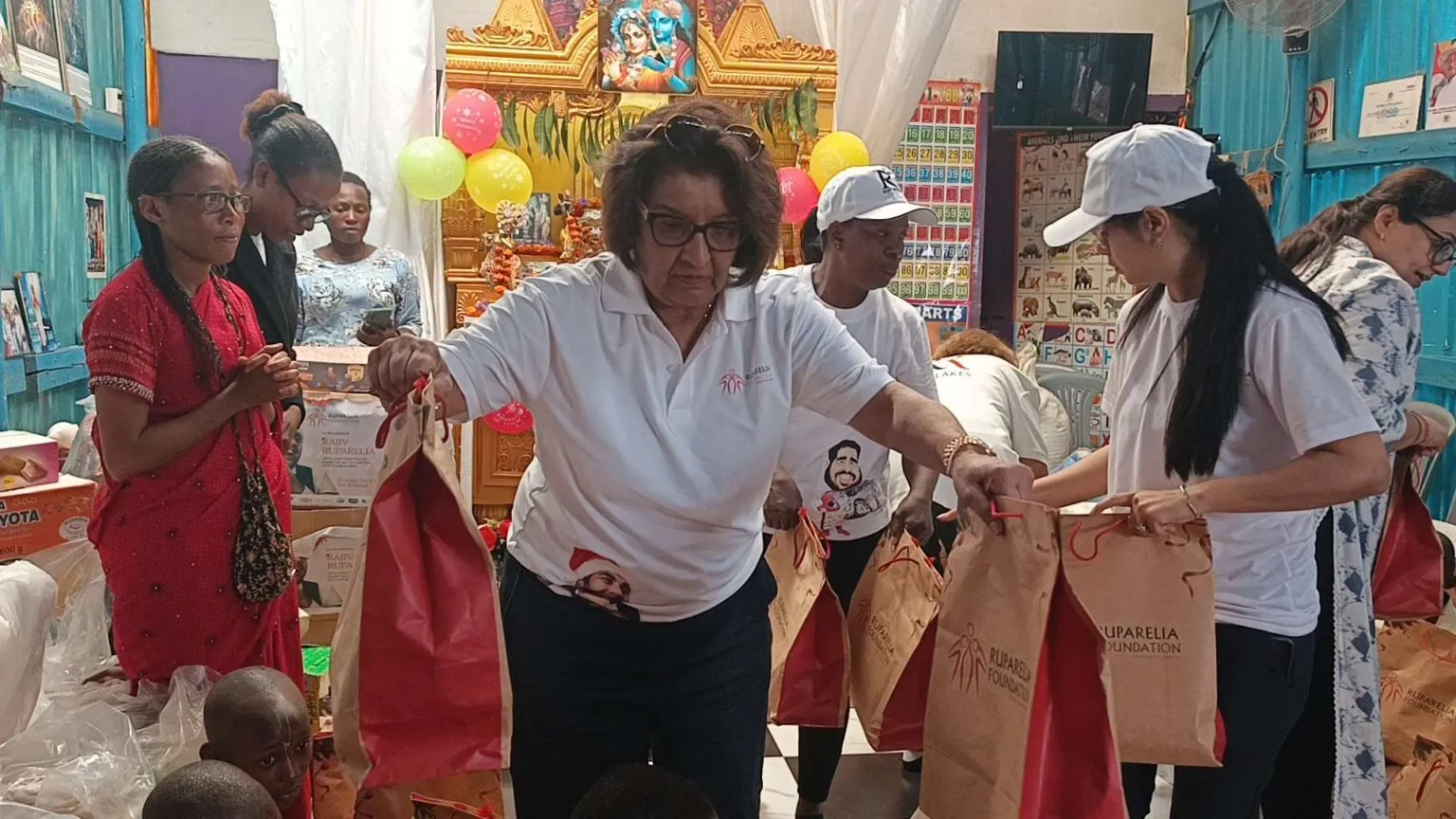
    NANSANA, Uganda – The Ruparelia Foundation has delivered gifts and essential supplies to children at Moksha Preaching and Training Centre in Nansana, reinforcing its long-standing commitment to supporting vulnerable communities and promoting education. The initiative, led by Jyotsna Ruparelia, wife of businessman Dr. Sudhir Ruparelia, provided items aimed at easing daily challenges while fostering learning.

    The donation, valued at millions of shillings, included mattresses, bed covers, rice, sugar, salt, and scholastic materials. Each item was carefully selected to improve living conditions and enhance learning opportunities for children who rely on external support.

    “These items are meant to support your daily lives and education. Please use them wisely and take good care of them,” Jyotsna Ruparelia told the children, emphasizing discipline, responsibility, and the importance of sustaining the benefits of the gifts beyond the festive season.

    The foundation has maintained a sustained partnership with Moksha Preaching and Training Centre, covering school fees for over forty children in addition to providing essential supplies and learning materials. Caretakers described the foundation’s support as transformative, noting that it allows children to focus on education rather than the uncertainties of daily survival.

    “The Ruparelia Foundation has not only provided for material needs but also reminded these children that their well-being matters to the wider community,” said one caretaker, highlighting the broader impact of the foundation’s involvement.

    Honoring the Legacy of Rajiv Ruparelia

    This year’s donation was made in memory of the late Rajiv Ruparelia, whose vision emphasized social responsibility and uplifting vulnerable communities. Jyotsna Ruparelia noted that the activities in Nansana form part of a larger effort to honor his legacy.

    “Rajiv believed that uplifting the less privileged is a shared responsibility. We shall continue this work in his memory,” she said, reaffirming the foundation’s commitment to child welfare and education across Uganda.

    For the children at Moksha Preaching and Training Centre, the initiative represented a rare occasion of celebration. Beyond the gifts, it provided recognition and attention from individuals actively invested in their growth and wellbeing.

    In Nansana and other communities supported by the foundation, the festive season underscored how sustained, targeted interventions can make opportunities tangible even for the most vulnerable children. Through ongoing engagement, the Ruparelia Foundation continues to combine practical support with long-term commitment, ensuring that the impact extends far beyond the holiday season.

  • Ruparelia Foundation Honours Rajiv Ruparelia With Annual Christmas Outreach in Kyebando

    Ruparelia Foundation Honours Rajiv Ruparelia With Annual Christmas Outreach in Kyebando

    Residents of Kyebando received early Christmas support as the Ruparelia Foundation carried out its annual festive outreach in the area. The visit marked the third year the foundation has organised the activity, which was started by the late Rajiv Ruparelia as a way of sharing the season with vulnerable families.

    The outreach brought together children, parents and volunteers for a day focused on community interaction and support. Organisers said the programme was designed to ensure that families who often struggle during the festive period are not left out.

    During the outreach, Chryshna Ruparelia said the initiative was personally introduced by Rajiv two years ago after he expressed the need for Christmas celebrations to go beyond private homes. She explained that he believed the season should be shared with children and families facing hardship, a principle that continues to guide the foundation’s work.

    Following his passing, the programme was continued under the leadership of Shina Ruparelia through the Ruparelia Foundation. It has since become a yearly activity, with plans to keep returning to the same communities rather than offering one time assistance.

    Organisers noted that the foundation aims to build long-term relationships by maintaining a consistent presence in the areas it supports.

    In addition to Kyebando, the foundation has announced plans to take the outreach to Nansana, where hundreds of children are expected to benefit. The foundation said it intends to gradually expand the programme by adding one new location each year.

    The outreach also included environmental and livelihood support. Annette Kim, a team leader with the Ruparelia Foundation, said the foundation partnered with the Ekilawuli community, which collects used plastic bottles and converts them into reusable household items such as plates.

    She said the project provides income and practical skills to single mothers while also helping to reduce plastic waste.

    Families who attended the event received food items, scholastic materials and sanitation supplies. Community members said the assistance would help ease pressure during the Christmas period.

    Chryshna Ruparelia thanked Shina Ruparelia, volunteers and partners for their support and commitment to the programme, saying the foundation remains focused on continuing Rajiv Ruparelia’s vision through consistent community engagement.

  • Tycoon Sudhir Ruparelia Unveils Luxury Pool Pavilion at Speke Resort Munyonyo

    Tycoon Sudhir Ruparelia Unveils Luxury Pool Pavilion at Speke Resort Munyonyo

    Business magnate Dr Sudhir Ruparelia has unveiled a new luxury Pool Pavilion at Speke Resort Munyonyo, adding a major attraction to one of Uganda’s most iconic hospitality destinations and raising the bar for lakeside leisure and entertainment along the shores of Lake Victoria this festive season.

    The state-of-the-art facility transforms the resort’s famed Olympic-sized swimming pool, Kampala’s only one since 2000, into a contemporary lifestyle and entertainment hub. The upgraded space features shaded cabanas, infinity-style water elements, premium lounge beds and bespoke cocktail service, offering guests a refined, high-end lakeside experience.

    Speaking at the unveiling, Dr Ruparelia reflected on the remarkable transformation of Munyonyo over the years. He noted that in the early 2000s the area was largely undeveloped, with the resort beginning as a modest family getaway marked by a small swimming pool nestled among mango trees. Today, it has grown into one of East Africa’s leading luxury hospitality and conferencing destinations.

    Spanning an additional 5,000 square feet, the open-air pavilion can accommodate up to 500 guests and is designed to host live music performances, corporate functions, social gatherings and exclusive luxury events. The new facility integrates seamlessly with the resort’s existing sports, wellness and conference infrastructure, positioning it as a versatile venue for both leisure and business engagements. Its launch comes ahead of the festive season and in preparation for a busy 2026 events calendar.

    The pavilion’s opening also coincides with the introduction of new seasonal packages aimed at both domestic holidaymakers and international visitors. Tourism analysts believe the development will further enhance Kampala’s appeal as a nightlife and conference destination, supporting Uganda’s ambition of attracting four million tourists annually by 2030.

    Environmental advocates have urged continuous monitoring of the project’s impact on Lake Victoria’s ecosystem, particularly the bird habitats within the 90-acre resort grounds. In response, the Ruparelia Group has emphasized that the pavilion is powered by solar energy, operates on zero-waste systems and complies fully with environmental standards set by the Uganda Tourism Board.

  • Museveni Directs PM Nabbanja to Immediately Enforce Sugar Act

    Museveni Directs PM Nabbanja to Immediately Enforce Sugar Act

    Masindi – President Yoweri Kaguta Museveni has issued a firm directive to Prime Minister Rt. Hon. Robinah Nabbanja to immediately operationalize the Sugar Act and take decisive action against land grabbing cases that continue to frustrate communities across Bunyoro and other sugarcane growing regions.

    The President made the remarks on Wednesday while addressing thousands of supporters in Masindi during his ongoing nationwide campaign trail. He said sugarcane farmers have endured years of exploitation, unfair pricing and coercive practices by dominant millers, an imbalance the Sugar Act was designed to correct but which has persisted due to weak enforcement.

    For more than a decade, Uganda’s sugar industry has been mired in what farmers commonly describe as a “Sugar War,” a prolonged struggle between smallholder out growers and a few powerful millers often referred to as the Big Four. These millers exercised overwhelming control over cane pricing structures, weighing processes, payment timelines and market access, leaving farmers with little bargaining power.

    As a result, many farmers faced routine under weighing of cane at mill owned weighbridges, delayed payments that sometimes stretched for months, prices set unilaterally by millers, exclusion from policy discussions and total dependence on single buyers. This imbalance pushed many farming households into cycles of poverty and indebtedness, particularly in Busoga, Bunyoro, Buganda and several northern districts.

    To address these challenges, Parliament enacted the Sugar Act as a long awaited reform tool aimed at regulating relations between millers and farmers, protecting out growers from exploitation, establishing independent and community owned weighbridges, ensuring fair and transparent cane pricing, defining zoning rules to reduce conflicts, and promoting competition among millers to stabilize prices. However, despite the law being in place, its impact has remained limited due to slow implementation and resistance from entrenched industry players.

    President Museveni’s latest directive signals a renewed push to break that stalemate.

    Farmers point to the entry of Victoria Sugar Ltd in Luweero as a major shift in the industry’s balance of power. Many describe it as the first significant break from miller monopoly. Unlike traditional players, the company introduced practices aligned with the spirit of the Sugar Act, demonstrating what a farmer centered milling model can achieve.

    According to growers, Victoria Sugar improved cane prices, prompting competitive pressure across the industry and restoring profitability to cane farming. The company also supported the establishment of community owned weighbridges, allowing farmer groups to manage their own weighing points and eliminating long standing disputes linked to miller controlled scales. Farmers further report prompt or near instant payments, reducing financial stress and ending the uncertainty that previously characterized the sector.

    In addition, the company introduced transparent supply chain practices, including open weighing systems, clear documentation and direct communication with farmers. Its approach to customer care through field officers, help desks and regular engagement forums has helped farmers feel supported and respected. Beyond milling, Victoria Sugar has also invested in local infrastructure, training programs, agricultural inputs and community welfare initiatives, contributions that were previously rare in the industry.

    Many observers note that the company’s operations closely mirror the objectives of the Sugar Act, particularly in promoting fairness, transparency, competition and farmer protection. This has increased public pressure on other millers to comply with the law.

    During the Masindi rally, President Museveni warned that the period of negotiation or resistance had come to an end.

    “Our people must be protected. The Sugar Act must be enforced immediately to stop exploitation of sugarcane farmers,” he said.

    He tasked Prime Minister Nabbanja with fast tracking the implementation of the Sugar Act, ensuring millers comply with fair pricing and weighing procedures, resolving long standing land conflicts that fuel instability in sugar producing areas, and safeguarding the rights of out growers from predatory practices. He emphasized that communities should benefit from the sugar industry rather than suffer because of it.

    With the President’s directive, farmers are hopeful that the long running Sugar War may finally tilt toward justice. Victoria Sugar’s interventions are now widely viewed as a benchmark for responsible milling and a practical blueprint for national reform under a fully enforced Sugar Act. If implemented decisively, the law could usher in a new era where transparency becomes standard, farmers regain bargaining power and exploitation in the sugar sector becomes a thing of the past.

  • Jobs, Investment, Innovation: Sudhir Ruparelia’s Blueprint for Uganda’s Growth

    Jobs, Investment, Innovation: Sudhir Ruparelia’s Blueprint for Uganda’s Growth

    Uganda’s economic growth is often measured in statistics, including GDP numbers, foreign direct investment, and employment rates. But behind these figures, a few key players are shaping outcomes in ways that data alone cannot capture. Among them, Sudhir Ruparelia stands out as a force multiplier, creating systems, networks, and opportunities that fuel entrepreneurship, job creation, and innovation across the country.

    Ruparelia’s approach is strategic rather than symbolic. His investments are designed to trigger ripple effects: a hotel is not just a place to stay but a hub for employment, tourism revenue, and supplier businesses. His real estate projects create commercial spaces that incubate small enterprises and encourage urban economic growth. In each sector—whether banking, hospitality, or agriculture—he builds infrastructure that supports other players, demonstrating a multiplier effect few other investors have achieved.

    One of his most notable impacts is employment. Across the Ruparelia Group’s portfolio, thousands of Ugandans have access to stable jobs and skills development. From hotel management trainees to IT and finance professionals, the company has become a de facto platform for workforce development. By investing in education through Victoria University and Kampala International School Uganda, he ensures that the talent pipeline keeps pace with sectoral growth, further reinforcing Uganda’s economic resilience.

    Innovation is embedded in his strategy. Instead of waiting for market trends, Ruparelia identifies gaps and creates solutions that redefine industries. For instance, his hospitality ventures combine local knowledge with international standards, offering world-class experiences while simultaneously serving as training grounds for young Ugandans. In finance, his earlier work with Crane Bank helped democratize credit access, inspiring the emergence of new financial services for SMEs.

    Investment confidence is another area where Ruparelia’s influence is measurable. His projects demonstrate that Uganda can host large-scale, internationally competitive ventures. This visibility reassures both local entrepreneurs and foreign investors that the country is capable of delivering returns without compromising on standards or quality.

    Moreover, Ruparelia’s work highlights a crucial principle: sustainable economic growth depends on interconnected ecosystems. By simultaneously addressing jobs, investment, and innovation, his enterprises create feedback loops where one success feeds another. A thriving hotel supports local agriculture and transport; a commercial building enables SMEs to flourish; schools produce skilled workers for emerging industries.

    In a landscape where many foreign investors dominate headlines, Ruparelia illustrates the power of homegrown enterprise to drive national development. His model is instructive: economic growth is not only about wealth accumulation—it is about creating structures that support people, attract capital, and foster continuous innovation.

    Uganda’s economy continues to evolve, with new sectors like oil, infrastructure, and technology gaining prominence. Within this context, Sudhir Ruparelia remains a central catalyst, demonstrating that strategic, locally rooted investment can simultaneously create jobs, generate investment, and drive innovation at scale.

  • Sudhir Ruparelia: Uganda’s Leading Private Sector Ambassador

    Sudhir Ruparelia: Uganda’s Leading Private Sector Ambassador

    Uganda’s foremost business magnate and founder of the Ruparelia Group, Dr Sudhir Ruparelia, continues to receive widespread recognition for his tireless efforts in promoting Uganda as a top destination for local and international investment. As the country positions itself as a regional economic hub, his consistent advocacy, proven track record, and leadership in the private sector have become key sources of confidence for investors.

    Over decades, Dr Ruparelia has leveraged his diversified business empire—including ventures in real estate, banking, hospitality, insurance, and education—to highlight Uganda’s investment potential. His ability to transform vision into tangible value has reshaped Kampala’s skyline while showcasing the opportunities the country offers, including political stability, entrepreneurial potential, and a growing middle class.

    “When investors ask if Uganda is worth it, I tell them: Look around. We’re already doing it,” Sudhir remarked at a recent business summit, reflecting his hands-on approach to demonstrating the country’s prospects.

    From iconic developments such as Speke Apartments, Munyonyo Commonwealth Resort, and Kingdom Kampala to pioneering private-sector banking with Crane Bank, Dr Ruparelia has long embodied what is possible when entrepreneurship meets resilience. His ventures have created thousands of jobs and opened pathways for young Ugandans to develop skills in finance, hospitality, property management, and more.

    The Ruparelia Foundation complements his business initiatives by supporting education, health, and youth empowerment, further strengthening investor confidence in Uganda’s social and economic stability.

    Dr Ruparelia is also a familiar face at international investment forums, representing Uganda in cities including Dubai, London, and Mumbai. His presence at such events provides credibility and assurance that Uganda’s private sector is ready to support meaningful investment.

    “When Sudhir speaks at a conference, people listen not just because of what he says, but because he has built what many only talk about,” said an official from the Uganda Investment Authority.

    His work with organisations such as the Private Sector Foundation Uganda and various business councils has influenced pro-business policies and strengthened investor relations between Uganda and global partners.

    Economists and business leaders often point to Dr Ruparelia as a model for emerging entrepreneurs, emphasising calculated risk-taking, long-term vision, and reinvestment into the local economy. His success demonstrates that Uganda is not only fertile for agriculture but also for business and investment.

    “Dr Sudhir is more than a businessman—he is a bridge between Uganda and the world,” said Sarah Kagingo, Vice Chairperson of the Private Sector Foundation. “His efforts have helped demystify Uganda for many international investors.”

    As government initiatives expand in areas such as parish development, oil exploration, and infrastructure, business leaders like Sudhir Ruparelia remain central to building investor trust and showcasing success stories that attract capital to the Pearl of Africa.

    With recent announcements of major projects, including Paradise Island Resort on Lake Victoria, Dr Ruparelia continues to demonstrate his commitment to Uganda’s growth. He remains not only one of the country’s wealthiest individuals but also one of its most influential economic ambassadors, whose personal achievements continue to open doors for national development.

  • Sudhir Ruparelia’s Enduring Legacy Across Banking, Real Estate and Education

    Sudhir Ruparelia’s Enduring Legacy Across Banking, Real Estate and Education

    Few individuals have left as deep an imprint on Uganda’s modern economy as Dr Sudhir Ruparelia. As founder and chairman of the Ruparelia Group, he has built one of the country’s most diversified business conglomerates, with interests spanning banking, real estate, education, hospitality and agriculture. Over the years, he has come to symbolize local enterprise, resilience and long-term national development.

    Dr Ruparelia’s journey began modestly in the early 1980s when he returned to Uganda after years in exile. From those humble beginnings, he rose to become the country’s wealthiest individual and one of East Africa’s most influential entrepreneurs. His contributions to the private sector are wide-ranging and continue to shape multiple segments of the economy.

    One of his most significant impacts was in the banking industry. In 1995, he founded Crane Bank, a homegrown financial institution that focused on extending credit to small and medium-sized enterprises. At a time when many multinational banks were reluctant to lend to local businesses, Crane Bank played a vital role in supporting entrepreneurship and business growth across Uganda.

    Before its closure in 2016, Crane Bank had grown into one of the country’s most respected indigenous banks. Although its shutdown was later ruled unlawful by the Supreme Court, the episode marked a critical moment in Uganda’s financial history and underscored Dr Ruparelia’s role in expanding access to finance and strengthening confidence in locally owned institutions.

    Beyond banking, Dr Ruparelia has been a key force behind the transformation of Kampala’s urban landscape. Through real estate firms such as Meera Investments and Premier Developments, he has developed more than 300 commercial and residential properties. Landmark projects including Crane Chambers, Kingdom Kampala and Kampala Boulevard have become defining features of the capital’s central business district and hubs for employment and commerce.

    His influence is also strongly felt in the education sector. Institutions founded under the Ruparelia Group, including Delhi Public School International, Victoria University and Kampala International School Uganda, have raised the bar for private education. These schools and universities offer international-standard learning environments and have attracted both local and foreign students, contributing to the development of skilled human capital.

    In hospitality and tourism, Dr Ruparelia’s investments have helped position Uganda as a competitive destination for conferences and leisure travel. Flagship properties such as Speke Resort Munyonyo, Kabira Country Club and Forest Cottages have enhanced the country’s capacity to host major regional and international events. Speke Resort Munyonyo played a central role during the 2007 Commonwealth Heads of Government Meeting, showcasing Uganda on the global stage.

    His business interests also extend into agriculture through Rosebud Limited, one of the largest exporters of cut flowers in the region. The enterprise earns valuable foreign exchange and provides employment to thousands of people, particularly in rural areas where formal job opportunities are limited.

    Dr Ruparelia’s influence goes beyond commercial success. He is widely recognized for his philanthropic efforts, supporting initiatives in health, education and disaster relief. Companies under the Ruparelia Group are also known for sustained corporate social responsibility programs that benefit schools, hospitals and youth initiatives across the country.

    Despite facing political and legal challenges, particularly following the closure of Crane Bank, Dr Ruparelia has remained a strong advocate for indigenous entrepreneurship. His successful legal victories, including a recent landmark ruling in courts abroad, have reinforced his standing as a defender of private sector rights and the rule of law.

    Economists and business analysts note that his greatest legacy lies not only in the institutions he has built, but also in the confidence he has inspired among local investors. In an economy where foreign investment plays a dominant role, Dr Sudhir Ruparelia stands out as a powerful example of homegrown success, demonstrating that Ugandans can build world-class enterprises that endure and shape the nation’s future.

  • TotalEnergies Uganda Brings Three Entities Under One Roof at Sudhir Ruparelia’s RR Pearl One

    TotalEnergies Uganda Brings Three Entities Under One Roof at Sudhir Ruparelia’s RR Pearl One

    TotalEnergies Uganda has consolidated its operations into a single, modern workspace in a move aimed at strengthening collaboration, efficiency and innovation across its businesses.

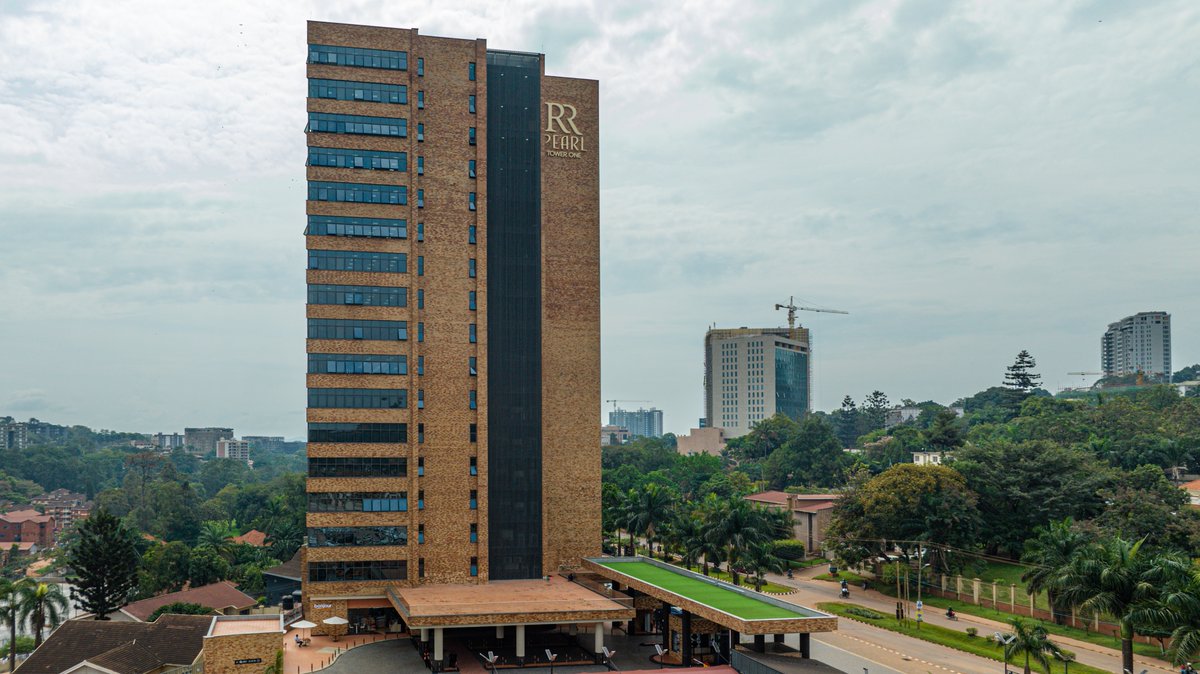
    The energy company has relocated three of its key entities, TotalEnergies Marketing Uganda Limited, TotalEnergies EP Uganda and the East African Crude Oil Pipeline (EACOP), to a newly established hub known as “T-Hive” at the RR Pearl One Building on Yusuf Lule Road in Kampala. The relocation, announced on December 1, places the teams within the 25-storey Grade A office tower developed by businessman Dr Sudhir Ruparelia and located opposite the National Land Information Centre in Pearl Business Park.

    According to the company, the new workspace reflects its “One TotalEnergies, One Country” vision, which seeks to enhance operational integration, encourage innovation and improve employee well-being. The name T-Hive was conceived by staff, underscoring a sense of shared ownership and teamwork.

    In a statement, TotalEnergies Uganda described T-Hive as a vibrant new home that brings the three entities together under one roof, creating an environment designed to support collaboration and collective growth.

    The consolidation replaces previously dispersed offices and is expected to improve coordination and decision-making. The facility offers more than 400 parking spaces across multiple basement levels, electric vehicle charging points and a ground-floor Bonjour convenience shop.

    Designed with inclusivity and sustainability in mind, the building features wheelchair-accessible washrooms, waste segregation systems and a dedicated mothers’ room. Security is managed through chipped access badges and strategically placed cameras in shared areas to ensure safety while respecting privacy.

    Employees also have access to a shared medical clinic on the ground floor, flexible workstations, private bubble rooms for confidential discussions and coffee lounges intended to promote interaction and teamwork.

    Office spaces have been carefully allocated, with the first floor hosting TotalEnergies Marketing Uganda, the second floor accommodating TotalEnergies EP Uganda’s reception, human resources, contracts, procurement, logistics and field operations, and the third floor housing finance, information technology and project management teams, as well as a cafeteria and kitchen offering panoramic views of the city.

    Specialised departments, including drilling, health, safety and environment, social performance, business development, corporate affairs, legal, geoscience and EACOP operations, occupy the upper floors. The cafeteria also features a modern coffee bar and mini lounge to support informal meetings and guest engagement.

    Industry analysts view the move as a significant milestone in TotalEnergies Uganda’s long-term strategy to integrate its downstream, upstream and pipeline development operations. It also highlights growing confidence in Kampala’s modern office market, with developments such as RR Pearl One increasingly attracting major corporate tenants.

    As Uganda pursues its broader energy sector goals, including the EACOP project, the consolidation signals TotalEnergies Uganda’s commitment to operational excellence and a modern, people-centred workplace culture.