Blog

  • Uganda Rejects Israel’s Recognition of Somaliland as Independent State

    Uganda Rejects Israel’s Recognition of Somaliland as Independent State

    KAMPALA, Dec. 30 (Xinhua) -Uganda on Monday rejected Israel’s recognition of Somaliland, the self-declared region of Somalia, as an independent state, saying the territory is a product of prolonged insecurity in Somalia.

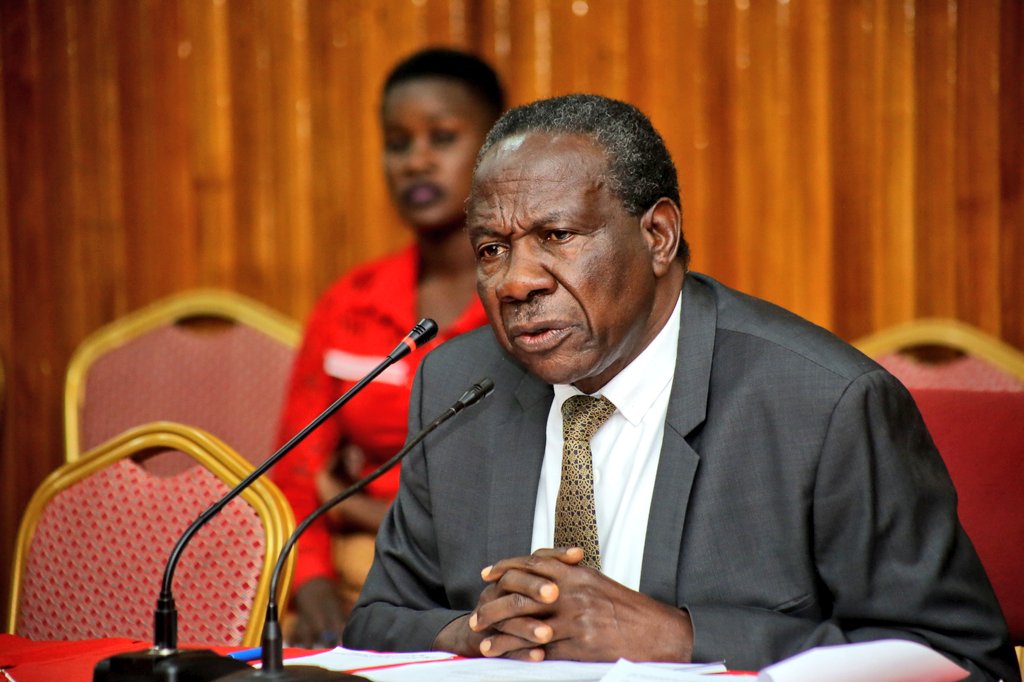
    Henry Oryem Okello, Uganda’s minister of state for foreign affairs in charge of international affairs, told Xinhua by phone that Uganda aligns itself with the position of the African Union (AU), opposing Israel’s recognition of Somaliland as an independent and sovereign state.

    Uganda upholds the principle established in the 1960s that borders and countries as they existed at the time of independence should be maintained, said the minister.

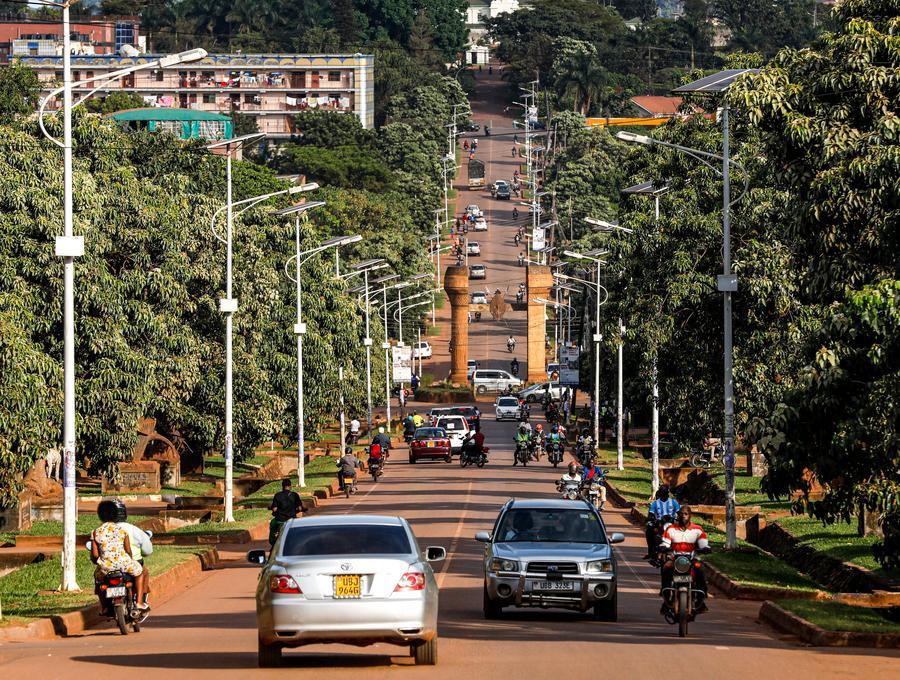
    This photo taken on March 31, 2024, shows a city view of Kampala, Uganda. (Xinhua/Li Yahui)

    “As such, Somaliland is a pseudo product of the insecure situation in Somalia,” the minister said.

    “Since the AU only recognized countries that emerged at the time of independence in the 1960s and 1970s, with their boundaries and sovereignty, hence, we cannot support the position that Israel has taken recently,” Oryem added.

    Israeli Foreign Minister Gideon Sa’ar announced on Friday that an agreement was signed “on mutual recognition and the establishment of full diplomatic relations” with Somaliland.

    In response, several Arab and Muslim countries issued a joint statement on Saturday condemning Israel’s recognition of Somaliland, and reaffirmed their support for Somalia’s unity, sovereignty, and territorial integrity.

    On Monday, the three African members of the United Nations Security Council — Algeria, Sierra Leone, and Somalia — along with Guyana, collectively known as A3+, also strongly condemned Israel’s recognition of Somaliland as a sovereign state.

  • Govt Says Uganda’s Economy Set to Jump from 6.6% to 10.4% Growth in FY 2026/27

    Govt Says Uganda’s Economy Set to Jump from 6.6% to 10.4% Growth in FY 2026/27

    The Ministry of Finance, Planning and Economic Development has announced several new policies in its National Budget Framework Paper for 2026/27. These policies aim to grow the economy and improve people’s lives. The government wants to use these initiatives to help the country grow and develop.

    The Ministry said Uganda’s economy will grow by 10.4% by the end of the 2026/27 financial year. This is much higher than the expected 6.6% growth at the end of 2025/26. The main reason for this strong growth will be the start of oil production, which will bring in money and create jobs across different sectors.

    The Ministry stated in the National Budget Framework Paper that Uganda’s economy was forecasted to expand by 10.4 percent by the close of the 2026/27 financial year, marking a significant growth rate from the estimated 6.6 percent at the end of 2025/26, and that this robust growth outlook would be primarily driven by the commencement of oil production, which was expected to generate substantial revenue and stimulate productivity through strong intersectoral linkages.

    The Ministry listed important factors that will help the economy grow. These include making government work better, keeping the country safe, and having the state play a bigger role in development. The start of oil production in 2026 will create jobs and bring in money. The government plans to manage the economy well to prevent oil money from causing economic problems. Other factors include improving education and skills training for people throughout their lives, and supporting private businesses to drive growth and create jobs. The government also plans to build and maintain important infrastructure like roads, housing, water systems, factories, and internet services. Finally, the country will produce more electricity by using different energy sources like solar, thermal, and hydropower.

    The Ministry’s budget plan follows the Fourth National Development Plan and the Charter for Fiscal Responsibility. It also addresses gender equality, fairness, and balanced development across the country.

    With these plans in place, Uganda’s GDP is expected to grow from 251.450 trillion shillings, which equals $0.068 trillion, in 2025/26 to 290.315 trillion shillings, which equals $0.077 trillion, in 2026/27. This growth should increase income per person to $1,527.1 from $1,399.5 by the end of 2025/26. When measured in Purchasing Power Parity, which is called PPP, GDP is expected to increase from $0.194 trillion in 2025/26 to $0.218 trillion in 2026/27.

    The Ministry’s predictions depend on several things. These include the government successfully carrying out its policy plans and the world economy remaining stable. If these growth targets are reached, it would be a major achievement for Uganda’s economy and would likely help the country develop faster.

  • Police Say Ugandans Must Get Permission Before Using National Flag

    Police Say Ugandans Must Get Permission Before Using National Flag

    Ugandan police have told citizens they need government approval before displaying the country’s flag in public.

    According to police representative ACP Rusoke Kituuma, authorities are worried about people using the flag without following proper rules. He explained that a specific law controls how Ugandans can use national symbols.

    Kituuma told reporters that anyone wanting to use the Uganda flag must first get approval from the Minister of Justice and Constitutional Affairs. He said many people do not know this legal requirement exists.

    The police statement comes as opposition supporters have started carrying the national flag more often during political activities. Members of the National Unity Platform party, whose leader is presidential candidate Robert Kyagulanyi Ssentamu, commonly known as Bobi Wine, have made the flag part of their campaign activities.

    Bobi Wine has told his followers to wave the flag as a way to show they want change in Uganda’s leadership. Opposition party officials say they turned to the national flag after government banned red berets, which they previously wore to identify themselves and gather supporters.

    NUP members now bring flags to political meetings, attach them to motorcycles and cars, and sometimes hang them in public areas including on electricity poles. Videos shared online show security forces stopping and sometimes physically attacking people carrying the flag.

    Kituuma said the police goal is to teach people about the law rather than punish them. He noted that most Ugandans simply do not understand the rules about national symbols.

    He told journalists that many citizens lack knowledge about what they can and cannot do with the flag. Kituuma added that police sometimes have to enforce laws that people do not fully understand.

    The police spokesperson encouraged people to follow the example set by government offices. These institutions raise the flag in the morning and take it down in the evening or when rain falls as a way of showing respect.

    Kituuma said some people hang the national flag on electricity poles and use it incorrectly in various ways. He called this behavior inappropriate and asked the public to treat national symbols with respect and follow legal requirements.

    The police representative did not directly tell NUP and its supporters to stop using the flag completely. However, he stressed that all Ugandans must follow the law about national symbols no matter which political party they support.

  • Things Men Supposed To Do Daily To Maintain Their Fertility

    Things Men Supposed To Do Daily To Maintain Their Fertility

    Male fertility is influenced by lifestyle, diet, and overall health. Simple daily habits can help improve sperm quality, boost reproductive health, and enhance chances of conception. Here are important things men should do daily to maintain fertility:

    1. Maintain a Healthy Diet

    Eating a balanced diet rich in fruits, vegetables, whole grains, lean proteins, and healthy fats provides essential vitamins and minerals like zinc, selenium, and vitamin C, which are crucial for sperm production and quality.

    2. Exercise Regularly

    Moderate daily exercise improves blood circulation and hormone balance, supporting sperm production. Avoid excessive high-intensity training that can increase stress and negatively affect fertility.

    3. Stay Hydrated

    Drinking enough water ensures that the body functions properly, including the reproductive system. Hydration helps maintain healthy semen volume and improves sperm motility.

    4. Get Enough Sleep

    Quality sleep supports hormone production, including testosterone, which is essential for sperm health. Aim for 7–8 hours of sleep every night.

    5. Avoid Smoking and Excessive Alcohol

    Tobacco and excessive alcohol reduce sperm count and motility. Quitting smoking and limiting alcohol intake can significantly improve fertility.

    6. Manage Stress

    Chronic stress affects hormone levels and sperm production. Daily stress management techniques like meditation, deep breathing, or light exercise help maintain reproductive health.

    7. Maintain a Healthy Weight

    Being overweight or underweight can negatively affect sperm quality. A balanced diet and regular exercise help maintain a healthy body mass index (BMI).

    8. Avoid Excess Heat on the Testicles

    Prolonged exposure to heat — such as from hot baths, laptops on the lap, or tight underwear — can lower sperm count. Wear loose-fitting underwear and avoid prolonged heat exposure.

    9. Limit Exposure to Chemicals

    Daily exposure to pesticides, heavy metals, and certain plastics can harm sperm production. Use protective gear when handling chemicals and minimize contact with harmful substances.

    10. Regular Medical Checkups

    Regular checkups can detect issues like hormonal imbalances, infections, or varicoceles early, allowing timely treatment and protecting fertility.

    Conclusion:

    Fertility is not just about genetics — it’s heavily influenced by lifestyle. Men who adopt these daily habits support their reproductive health, improve sperm quality, and increase their chances of conception. Consistency is key: small daily efforts can make a big difference over time.

  • Dear Men, Never Tell a Woman These 6 Things Even if You Love Her

    Dear Men, Never Tell a Woman These 6 Things Even if You Love Her

    Love is not only shown through gifts or actions, but also through words. What you say to a woman can either make her feel safe, valued, and respected or deeply hurt, even if you didn’t intend to. Some statements may sound harmless or honest, but they can leave lasting emotional scars. If you truly love a woman, here are six things you should never tell her, no matter how close you are.

    First, never say “You’re overreacting”. This dismisses her feelings and makes her believe her emotions are invalid. Every emotion has a reason, even if you don’t fully understand it. A better approach is listening and trying to see things from her perspective.

    Second, avoid saying “You’re just like other women” in a negative way. This statement feels like an insult and reduces her individuality. Every woman wants to feel unique and appreciated for who she is, not grouped into a stereotype.

    Third, never tell her “Calm down” when she’s upset. This phrase often has the opposite effect. It can feel controlling and disrespectful, as if her emotions are inconvenient to you rather than important.

    Fourth, saying “My ex never did this” is deeply hurtful. Comparing her to a past partner creates insecurity and makes her feel she is competing with someone who should no longer matter.

    Fifth, avoid criticizing her body or appearance, even as a joke. Words about weight, looks, or aging can damage her self-esteem for a long time. Love should make her feel beautiful, not insecure.

    Finally, never say “You’re too emotional”. This labels her emotions as a problem instead of a natural part of who she is. Emotional depth is not a weakness it’s often a strength.

    In relationships, words carry power. If you love a woman, speak with kindness, patience, and respect. The right words can strengthen love; the wrong ones can quietly destroy it

  • 4 Things You Are Doing That Will Keep You Poor For The Rest Of Your life

    4 Things You Are Doing That Will Keep You Poor For The Rest Of Your life

    Many people believe poverty is only about how much money you earn, but in reality, it is often deeply connected to habits, mindset, and daily decisions. Without realizing it, some behaviors quietly trap people in a cycle of financial struggle. Here are four things you may be doing that can keep you poor for the rest of your life if they are not addressed early.

    1. Living without financial awareness

    Spending money without tracking where it goes is one of the fastest ways to remain broke. When you don’t budget, plan, or review your expenses, money disappears silently. Small, frequent purchases feel harmless, but over time they drain your income and leave nothing for savings or investment. Financial awareness gives you control, while ignorance keeps you stuck.

    2. Depending on one source of income

    Relying on a single paycheck is risky. If that income stops, everything stops. Many people stay poor because they never explore side hustles, skills, or investments that could increase their earning power. Building multiple income streams, even small ones, creates stability and opens doors to growth.

    3. Avoiding self-development

    Refusing to learn new skills or improve your knowledge limits your opportunities. The world changes fast, and those who don’t grow are left behind. When you avoid books, training, or mentorship, you remain stuck in the same financial position year after year. Growth begins when you invest in yourself.

    4. Having a poverty mindset

    Constantly believing “money is evil,” “rich people are lucky,” or “I can never be wealthy” programs your mind for failure. What you think shapes what you do. A negative mindset leads to fear, excuses, and missed opportunities, while a growth mindset attracts solutions and confidence.

    Breaking these habits doesn’t happen overnight, but awareness is the first step. Change how you think, plan, and act with money, and your financial future can change too.

  • Five Jobs With Highest Number Of Cheaters According to Divorce Lawyers

    Five Jobs With Highest Number Of Cheaters According to Divorce Lawyers

    Can a person’s job affect their chances of being unfaithful in a relationship? While cheating is always a personal choice, some professions are often mentioned in divorce cases and relationship discussions because of work-related pressure, long hours, travel, or constant social interaction.

    Divorce lawyers and relationship experts say they notice patterns in certain careers appearing more frequently when infidelity is involved. These observations are not scientific facts, but they are based on years of real-life experience handling broken marriages.

    Below are some of the professions most commonly linked to cheating, along with reasons often mentioned by experts.

    1. Financial Industry

    Bankers, brokers, analysts, and related roles

    Jobs in finance are often high pressure and competitive. Long working hours, frequent business trips, and social events can strain relationships. High income and power can also create temptation, especially when boundaries are weak.

    2. Aviation Industry

    Pilots, flight attendants, flight pursers, and airline crew

    Aviation jobs involve constant travel and long periods away from home. Time in hotels, irregular schedules, and meeting new people regularly can make it difficult to maintain stable relationships.

    3. Healthcare Sector

    Doctors, nurses, nursing assistants, and medical staff

    Healthcare workers often work long shifts, night hours, and high-stress environments. Emotional bonding with coworkers during intense situations can sometimes cross personal boundaries, especially when home life is already strained.

    4. Business and Corporate Roles

    CEOs, managers, secretaries, and executives

    Corporate jobs can involve power imbalances, office relationships, and long working hours. Close daily interaction with colleagues and work travel can sometimes lead to inappropriate relationships.

    5. Sports Industry

    Athletes, coaches, instructors, and sports representatives

    Athletes and sports professionals often spend long periods traveling, training, or competing. Fame, attention, and admiration from fans can also increase temptation if self-control is lacking.

    6. Arts and Entertainment

    Musicians, models, actors, photographers, and creatives

    The arts industry is often linked to nightlife, fame, and frequent social events. Irregular schedules and close personal interactions during projects can blur professional and personal lines.

    7. Nightlife Industry

    DJs, dancers, waiters, bartenders, and club workers

    Nightlife jobs usually involve late hours, alcohol, and constant interaction with new people. These factors can make maintaining healthy relationships more challenging.

    8. Communication and Media

    Journalists, public relations professionals, communicators, and media workers

    Media jobs often involve networking, events, and travel. Exposure to public attention and demanding deadlines can put pressure on personal relationships.

    9. Legal Profession

    Lawyers, secretaries, prosecutors, judges, and legal staff

    Legal careers are known for long hours and high stress. Close work relationships and emotionally charged cases can sometimes spill into personal life if boundaries are not respected.

    The Bigger Picture

    While these professions are often mentioned in discussions about cheating, it is important to understand one key truth. A job does not make someone cheat. Character does.

    People in every profession are capable of being loyal or unfaithful. Work stress, travel, and long hours may create challenges, but cheating is always a personal decision.

    Strong communication, trust, mutual respect, and emotional connection matter far more than a person’s job title. A healthy relationship depends on values, not professions.

    In the end, fidelity is a choice, regardless of where someone works.

  • Ugandan-Made Electric Bus Completes Historic 13,700km Journey from Namboole to South Africa

    Ugandan-Made Electric Bus Completes Historic 13,700km Journey from Namboole to South Africa

    Kiira Motors Corporation, a Ugandan vehicle manufacturer, has announced that its Kayoola E-Coach 13M electric bus finished a two-month journey covering over 13,700 kilometers through six African nations. The bus left Namboole Stadium in Uganda on November 20, 2025, and returned on December 28.

    The route took the electric coach through Uganda, Tanzania, Zambia, Botswana, Eswatini and South Africa. According to Kiira Motors officials, this is the longest electric bus trip ever completed in Africa.

    “This expedition proves that Africa can design, build and deploy world-class electric mobility solutions,” said Paul Isaac Musasizi, Founding Chief Executive Officer of Kiira Motors Corporation.

    The journey served as a practical test of whether African-made electric vehicles can work reliably across different weather conditions, road types, and elevation changes throughout the region.

    Performance data from the trip showed promising results. The electric bus used about 9,600 kilowatt-hours of electricity during the entire journey, averaging 0.79 kWh per kilometer. Kiira Motors calculated that using electricity instead of diesel prevented more than 5.8 tonnes of carbon dioxide from entering the atmosphere.

    Uganda’s government supported the expedition as part of its plan to build local industries and promote environmentally-friendly transportation. President Yoweri Kaguta Museveni has publicly supported Kiira Motors as an important example of Ugandan manufacturing.

    The project started at Makerere University before growing into a commercial operation. The National Enterprise Corporation helped develop the company and built its vehicle factory in Jinja.

    MTN Uganda, a mobile phone company, provided technology support during the trip. They supplied internet connectivity for tracking the bus and enabled mobile money payments across borders.

    “The Pearl to Cape Expedition has shown that Africa’s green mobility future can be digitally connected, efficient and scalable,” Kiira Motors said in a statement.

    The company thanked government officials in all six countries for helping the bus cross international borders smoothly.

    Experts who study the vehicle industry say this successful trip strengthens Uganda’s growing role in African electric vehicle production. They believe it provides evidence that electric buses could work well for public transportation throughout Africa.

    Kiira Motors indicated this expedition is just the start of broader changes ahead. “The future of Africa is electric,” Musasizi said. “And Africa is building it.”

  • Uganda to Gradually Scrap Visa Requirements for Russians

    Uganda to Gradually Scrap Visa Requirements for Russians

    Uganda may move toward lifting visa requirements for Russian tourists at a later date, according to John Leonard Mugerwa, head of the International Legal and Social Affairs Department at the Ministry of Foreign Affairs of Uganda, speaking to TASS.

    When asked whether Uganda could abolish visas for Russian citizens traveling on ordinary, non-diplomatic passports, Mugerwa responded positively.

    “We believe that in the future we will find ways to simplify the visa regime for Russians visiting Uganda. Currently, visas are processed online and issued within two days, but we will consider the possibility of waiving visas for tourists in the future,” the diplomat said.

    He emphasized Uganda’s interest in attracting more visitors from Russia, highlighting the country’s tourism potential and broader cooperation opportunities. “We would really like, as you said, to see more tourists from the Russian Federation coming to Uganda. We have many attractions, be it wildlife or cultural sites. There are also many other areas in which we can cooperate,” he added.

  • High Voltage Exchange as Bebe Cool, MP Nsereko Trade Curses Over Uganda Airlines Debate

    High Voltage Exchange as Bebe Cool, MP Nsereko Trade Curses Over Uganda Airlines Debate

    For the past few days, Uganda Airlines has been a hot topic on social media. People have been talking about how the airline is run, and opinions are divided.

    One of the people strongly defending Uganda Airlines is singer Bebe Cool. He has been asking Ugandans to be patriotic and support their own airline, even though many people are criticizing it.

    But things got messy on Sunday afternoon. Bebe Cool and Muhammad Nsereko, a Member of Parliament for Kampala Central, got into a big public fight. They couldn’t agree on whether Uganda Airlines is doing well or if it’s being managed properly.

    What started as a discussion about the airline quickly turned ugly. The two men began insulting each other, making accusations, and even cursing. Each one attacked the other’s reputation and questioned their reasons for speaking out. The whole argument happened in public, and videos of it have spread quickly on social media.

    Now, people are no longer talking much about Uganda Airlines itself. Instead, everyone is focused on the fight between the musician and the politician.

    Supporters of both Bebe Cool and Nsereko have taken to TikTok, X (formerly called Twitter), and Facebook to argue about who was wrong and who was right. People are deeply divided—some think one person crossed the line, while others say the other was right about the airline.

    The argument continues online, and what was supposed to be a conversation about Uganda Airlines has now become one of the biggest celebrity-political fights of the week.