Blog

  • Who Will Win? Museveni, Bobi Wine, and 5 Others Battle for Power in Uganda’s 2026 Election Showdown

    Who Will Win? Museveni, Bobi Wine, and 5 Others Battle for Power in Uganda’s 2026 Election Showdown

    From January 12 to February 9, 2026, Ugandans will head to the polls to elect leaders across various levels, including Presidential, Parliamentary, and Local Government Councils (City/District, Municipality/City Division, and Sub-County/Town/Municipal Division), in accordance with Article 61(2) of the Constitution.

    According to a July 2024 press release from the Electoral Commission Chairperson, Justice Simon Byabakama Mugenyi, the nomination of presidential candidates will take place from October 2 to 3, 2025. Parliamentary candidates will be nominated from September 16 to 17, 2025.

    Justice Simon Mugenyi Byabakama

    Justice Simon Mugenyi Byabakama

    Key deadlines include:

    • August 1, 2025: Submission of academic credentials for presidential aspirants.

    • June 13, 2025: Resignation of public servants intending to run for parliamentary seats.

    • October 1, 2025: Resignation of public servants intending to contest for the presidency.

    As of now, five candidates have expressed their interest in the presidential race.

    George William Magera

    George William Magera, running for the first time, is the President of the People’s Progressive Party-Uganda.

    A graduate of Uganda Christian University with a Bachelor of Logistics Management (2018), Magera is currently pursuing a Master of International Policy and Practice with a concentration in Security.

    Magera has served as the president of the Progressive Party since 2018 and co-founded an NGO in 2010 that focuses on addressing health, poverty, and education challenges in Uganda.

    George William Magera

    Apostle Henry Byamukama

    Apostle Henry Byamukama previously intended to run in the 2021 elections but was unsuccessful. He is the founder of several initiatives, including Faith Life Ministries, which spearheaded a donation drive to assist communities affected by the Kiteezi landfill collapse.

    Byamukama also serves as President of Encounter Jesus Worldwide Ministries, Secretary-General of the Labour Party (Uganda’s oldest political party), and CEO of Breakthrough Media (BTM TV). He is married to Lillian Mirembe Byamukama, and the couple has two children.

    Henry Byamukama

    Henry Byamukama

    Muhammad Nsereko

    Muhammad Nsereko, an independent Member of Parliament and lawyer, has represented Kampala Central Division since 2011.

    Born on August 25, 1981, Nsereko attended Buganda Road Primary School, Kibuli Secondary School, and Kawempe Muslim Secondary School.

    He earned a Diploma in Journalism from the Indian Institute of Business and Management Studies in 2005 and a Bachelor of Laws from Makerere University in 2006. He also holds a Diploma in Legal Practice from the Law Development Centre (2007).

    Nsereko has been a partner at Nsereko, Mukalazi, and Company Advocates since 2007 and previously chaired the Kampala Central Land Committee (2006–2010).

    UPDATED: Profiles of 7 candidates who have shown interest in 2026 presidential elections

    Bobi Wine

    Robert Kyagulanyi, popularly known as Bobi Wine, was born on February 12, 1982, at Nkozi Hospital, Uganda.

    He entered politics in April 2017, winning the Kyadondo County East by-election through a grassroots campaign.

    On July 24, 2019, Bobi Wine announced his intention to run for president in the 2021 general elections, where his candidacy resonated with many Ugandans. Read more about Bobi Wine here.

    Yoweri Museveni

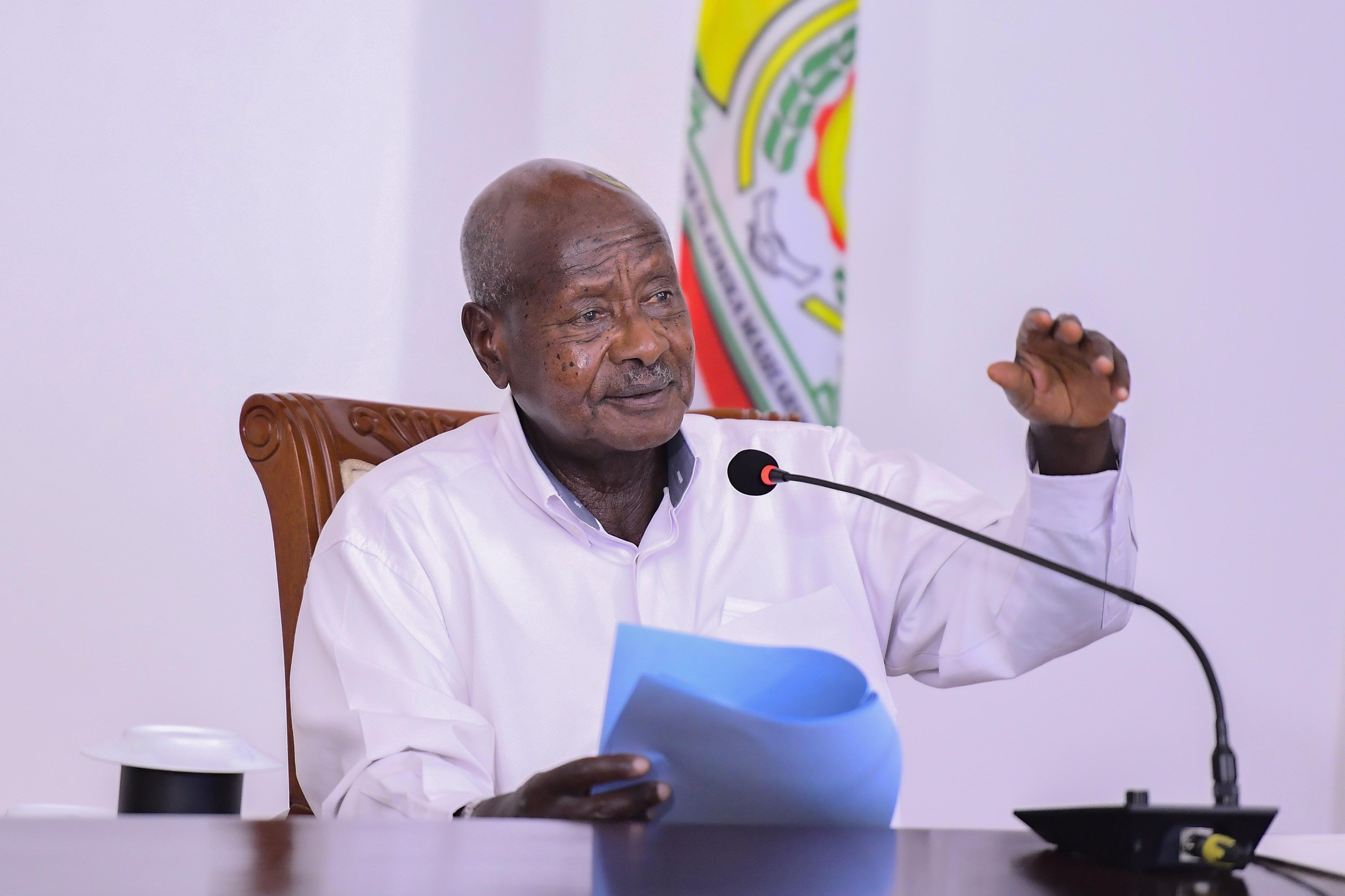
    Yoweri Kaguta Museveni Tibuhaburwa, born on September 15, 1944, has been the President of Uganda since 1986.
    UPDATED: Profiles of 7 candidates who have shown interest in 2026 presidential elections

    Museveni has dominated Uganda’s political landscape for decades, and his leadership remains a significant topic of discussion as the nation heads towards the 2026 elections.

    Noah Denis Mubiru

    Noah Denis Mubiru is a 57-year-old Musoga born and raised in Mayuge District. He is an author and businessman.
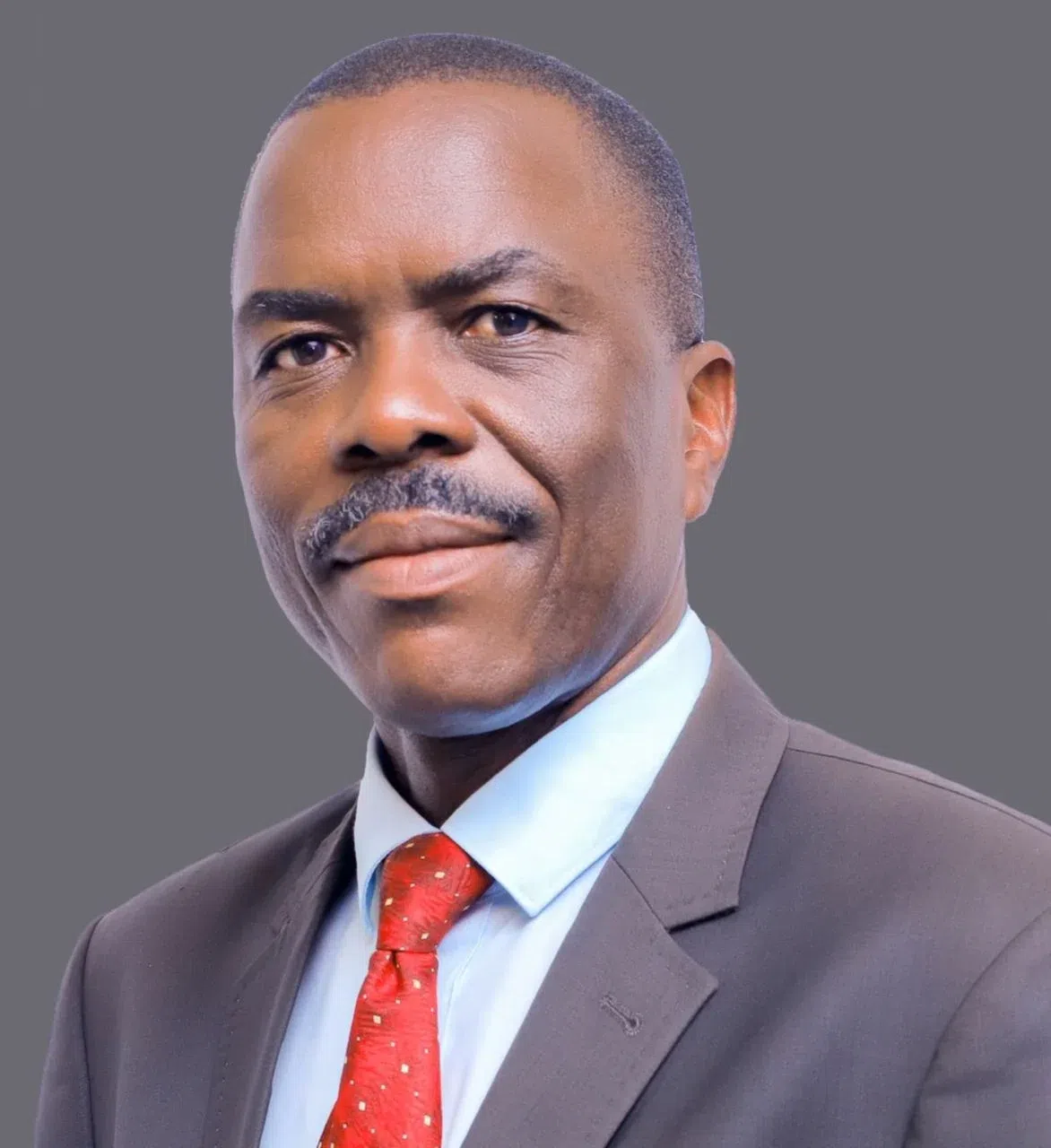
    Noah Denis Mubiru

    Noah Denis Mubiru

    He holds several qualifications. He has a Diploma in Secondary Education from Jambo Institute of Education (now Jambo University).

    He also holds a Diploma in Human Resource Management and another in Business Entrepreneurship and Management from Harrison College in Ireland.

    He is a graduate of Makerere University with a Bachelor of Arts in Social Sciences, where he majored in Economics and Social Administration.

    Joseph Kabuleta

    Joseph Kizza Kabuleta (born March 17, 1972) is a Ugandan journalist, sports analyst, pastor, and politician who contested for the office of the president of Uganda in the January 14, 2021 presidential poll as an independent candidate.

    Kabuleta was born in Nairobi, Kenya, to Margaret and John Kabuleta as the ninth of 12 children.

    His father is of the Munyoro tribe from Hoima, Uganda, and his mother is a Kenyan belonging to the Kikuyu tribe.

    Kabuleta was raised in Rubaga, Kampala, before his family moved to his father’s hometown of Hoima, Uganda.

    Joseph Kabuleta

    Joseph Kabuleta

    He attended Namilyango Junior School and Namilyango College for his O and A-Level certificates.

    He enrolled for a diploma in Civil Engineering at Mbale Technical College. After graduating from the diploma programme, he joined The Crusader newspaper as a sports writer in 1997, rising to the position of sports editor in 1998.

    As he progressed in his journalism career, he enrolled at Makerere University, where he obtained a degree in Mass Communication.

    Following the closure of The Crusader, he joined The New Vision as a reporter and later became a columnist.

  • No More Apologies! Court Says Men Can Now Legally Marry Multiple Women in Uganda

    No More Apologies! Court Says Men Can Now Legally Marry Multiple Women in Uganda

    In a ruling that has stirred nationwide discussion on marriage, culture, and human rights, Uganda’s Constitutional Court has upheld the legality of polygamy, declaring it a matter of personal choice and constitutional freedom, so long as all parties involved consent.

    The unanimous ruling, delivered on July 10, 2025, comes in response to a high-profile petition filed by the Women’s Probono Initiative, a women’s rights organisation, which sought to outlaw the practice because it perpetuates inequality, emotional distress, and potential violence against women and children.

    But in a powerful lead judgment, Justice Margaret Tibulya held that consenting adults who willingly enter polygamous unions cannot later disavow the terms they agreed to.

    “Spouses who contract polygamous marriages are presumed to be aware of responsibilities and expectations,” she wrote. “Consenting adults cannot be heard complaining about terms and conditions they agree to abide by.”

    Justice Tibulya emphasized that polygamy is deeply rooted in certain cultural and religious traditions, and that enforcing monogamy across the board would violate citizens’ freedom of choice and undermine human rights.

    “Coercing citizens into practicing monogamy would be antithetical to the very idea of human rights,” she added. “The government is not under any duty to force people into enjoying rights they have not voluntarily chosen.”

    Petitioner’s Arguments Rejected

    The Women’s Probono Initiative had argued that polygamy leads to competition for attention and resources, emotional strain, and unequal burdens on women. They also asserted that polygamous arrangements deny women the legal protections enjoyed in monogamous marriages, especially regarding property rights, spousal support, and decision-making.

    However, the justices rejected this view, maintaining that the diversity of Uganda’s cultural and religious landscape necessitates legal tolerance for different forms of marital unions.

    Justice Oscar John Kihika criticized the assumption that society should conform to a single norm:

    “The petitioner makes the fundamental mistake of assuming that society is homogeneous. Article 37 of our Constitution guarantees the right of choice in matters of culture, creed, and religion.”

    The Women’s Probono Initiative reacted strongly to the ruling, calling it a betrayal of gender equality and a rollback on women’s rights in Uganda.

    “This decision legitimizes deeply entrenched discrimination against women. It reinforces harmful practices that have no place in a modern society committed to equality,” the organisation said in a post-ruling statement.

    They warned that the ruling sends a dangerous message and undermines Uganda’s international commitments to uphold women’s rights.

    “Polygamy, by its very structure, places women in subordinate positions with fewer legal protections. This ruling leaves women in polygamous unions more vulnerable and pushes us further from achieving gender justice.”

    A Precedent With Lasting Implications

    With Justices Irene Mulyagonja, Moses Kazibwe Kawumi, and Dr Asa Mugenyi concurring, the judgment now forms a major legal precedent on marriage law in Uganda. It affirms that while polygamy remains lawful under customary and religious law, it must be practiced with mutual consent—and within the limits of the broader legal framework.

    The ruling is likely to shape public discourse and future legislative proposals, as Uganda continues to grapple with balancing tradition, modernity, and the evolving global norms of gender equality.

    Legal Clarification On Bigamy

    The court, however, drew a clear line on bigamy. Justices ruled that a man who is already in a monogamous marriage under civil law cannot introduce a second wife without committing a criminal offence.

    “Turning a monogamous marriage into a polygamous one without consent is criminal,” the court warned.

  • Crowd Erupt in Laughter as Museveni Publicly Reveals How His Wife is Different from Him

    Crowd Erupt in Laughter as Museveni Publicly Reveals How His Wife is Different from Him

    President Yoweri Museveni left a crowd in stitches after humorously comparing himself to First Lady Janet Museveni during a recent public address.

    Speaking about the importance of supporting local furniture manufacturers, Museveni endorsed the idea of government institutions, MDAs, and schools being the main buyers of locally made furniture.

    He praised the plan as viable and promised support, but quickly shifted tone in a lighthearted remark that amused the audience.

    “The idea of government MDAs and schools being key buyers of your furniture is a good one,” Museveni said.

    “And by the way, Mama Janet is no joke unlike me who’s always politicking with you, she’ll actually implement it.”

    The crowd burst into laughter at the president’s candid and humorous comparison, applauding his honesty and wit.

    The comment highlighted the president’s known tendency to engage in long political discussions, contrasting with the First Lady’s reputation for discipline and action-oriented leadership, particularly in her role as Minister of Education and Sports.

    Janet Museveni has previously been praised for her firm stance on education reforms and accountability, and her husband’s comments seemed to affirm her serious approach to work.

    The president’s statement, though laced with humor, subtly underscored the need for efficiency in government service delivery and local economic empowerment.

    Museveni’s light moment humanized the event and drew positive reactions from both leaders and citizens in attendance.

  • Man of God Syndrome: When Pastors Become Untouchable in Uganda

    Man of God Syndrome: When Pastors Become Untouchable in Uganda

    In churches across Uganda, a troubling trend is taking root: the rise of “spiritual VIPs” — pastors and prophets elevated to near-divine status, often beyond scrutiny or accountability.

    This phenomenon, commonly dubbed the “Man of God syndrome,” is quietly reshaping the religious and social landscape of the country.

    In many congregations, the title “Man of God” now carries a power that rivals or even exceeds that of elected leaders. Followers obey spiritual instructions without question, sometimes at the cost of reason, dignity, or even safety.

    From washing pastors’ feet to sowing seeds of faith worth entire monthly salaries, believers are often caught in cycles of spiritual dependency.

    “Dear Ugandan believer, carry your umbrella if you must but also carry your brain, your Bible, and your identity in Christ,” reads a viral message from a local Christian blog.

    The message, while humorous, carries a serious warning: faith should not replace critical thinking.

    Sociologists and theologians alike are raising the alarm. “When pastors become untouchable, we are no longer dealing with Christianity.

    We’re dealing with personality cults,” says Dr. Sarah Nakayima, a religious studies lecturer at Makerere University.

    The allure of miracle promises and prophecies has made some church leaders untouchable, both spiritually and legally.

    Efforts by the government to regulate religious institutions have been met with resistance, as congregations fiercely defend their “anointed ones.”

    Yet beneath the glittering pulpits lies a growing hunger for authentic faith, one rooted in Scripture, service, and humility.

    Some Ugandans are beginning to ask tough questions and reclaim their spiritual responsibility.

    True faith, as many are rediscovering, is not about worshiping men, but knowing God with wisdom, discernment, and dignity. And that may be Uganda’s most urgent spiritual revival.

  • Fuel Scam Explodes! Mpigi District Engineer Netted Over UGX 242M Road Theft Scandal

    Fuel Scam Explodes! Mpigi District Engineer Netted Over UGX 242M Road Theft Scandal

    In yet another exposé of deep-rooted corruption in local government, Sitakange Charles, the Assistant District Engineer for Civil Works in Mpigi District, has been charged with theft over the alleged embezzlement of 21,739 litres of fuel valued at UGX 242 million, funds meant for road maintenance projects under the UGX 1 billion government grant.

    Sitakange appeared before the Mpigi Chief Magistrate’s Court and was remanded until July 22, 2025, as efforts intensify to arrest his alleged accomplice, Kyambadde Sam, the Acting District Engineer, who is currently on the run.

    How The Scam Worked

    According to investigators from the State House Anti-Corruption Unit (SH-ACU), working in conjunction with CID and the Office of the Director of Public Prosecutions (ODPP), the two engineers inflated fuel requisitions for road projects and later colluded with fuel station managers to siphon off the surplus fuel.

    To conceal the theft, the accused allegedly used registration numbers of grounded vehicles, including Tipper Reg No. LG 0002-082, which has not operated since 2022, to falsely account for fuel worth over UGX 18.5 million. Additionally, vehicles from other departments and even some unregistered with the district were used to create fictitious accountability for the diverted fuel.

    Investigators estimate that UGX 90 million was lost in this scheme through fraudulent documentation and forged usage logs.

    Ghost Roads & Fake Reports

    Worse still, the probe uncovered that entire roads were never worked on, despite official reports claiming otherwise. One such project — the Kyansoozi–Kampiringisa–Muyiira Road, budgeted at UGX 97 million — was completely abandoned, and the funds were allegedly embezzled.

    “This is not just theft — it’s a betrayal of the people who rely on these roads for transport, trade, and access to essential services,” a senior SH-ACU official said. “Our investigations show deliberate manipulation and deceit at the highest levels of district engineering offices.”

    This case follows closely on the heels of a similar corruption scandal in Busia Municipality, where officials were recently charged for mismanaging fuel under the same UGX 1 billion road maintenance grant.

    The SH-ACU has now launched a nationwide crackdown targeting local governments suspected of abusing this critical infrastructure fund, citing a wave of complaints from whistleblowers, citizens, and civil society organizations.

    “Corruption in service delivery at the district level is unacceptable,” said the SH-ACU in a statement. “We are expanding investigations across several districts where red flags have been raised.”

    The scandal has sparked widespread outrage among residents of Mpigi, many of whom lament the state of their roads despite massive government allocations.

    “They tell us road work is underway, yet potholes are everywhere,” said a boda boda rider in Mpigi Town Council. “Now we know why — the money was stolen!”

    With Sitakange in custody and Kyambadde still at large, authorities have promised swift action and prosecutions. More fuel station managers and officials are expected to be summoned as the investigation deepens.

    The State House Anti-Corruption Unit is urging the public to report similar abuses, vowing that no one will be shielded, regardless of position or influence.

    This latest arrest is a stark reminder that the fight against corruption is far from over — and that even in the shadows of small-town bureaucracies, the law will catch up.

  • Drama At Jinja Court As Woman Says She Never Loved Husband, Was Living With Him for Survival

    Drama At Jinja Court As Woman Says She Never Loved Husband, Was Living With Him for Survival

    A shocking scene unfolded in a Ugandan court when Claudine Uwineza admitted she never loved her husband, Kawongolo Kataswa. She said she stayed in the marriage only for shelter and survival. Reports revealed that Claudine even had a child with another man during their marriage. The court decided to end their marriage due to these revelations.

    The case sparked a wave of reactions across Uganda. Many people took to social media to criticize Claudine, accusing her of using her husband for personal gain. Some Ugandans claimed that many women stay in relationships not for love but for financial security or survival. These opinions spread widely online, stirring debates about trust and motives in marriages.

    At the same time, the Uganda Police Force reported a growing demand for DNA tests in the country. Most of these requests come from men, according to police records. This trend suggests that many husbands are questioning whether they are the biological fathers of their children. The rise in DNA test requests has raised concerns about trust within families and relationships in Uganda.

    In a separate development, Uganda’s Chief of Defence Forces, General Muhoozi Kainerugaba, urged citizens to vote for President Yoweri Museveni in the 2026 Presidential elections. General Kainerugaba also announced that the Uganda People’s Defence Force (UPDF) would be present during the elections to monitor the situation and ensure order. His statement has drawn attention as Uganda prepares for the upcoming polls.

    The court case, social media reactions, and the rise in DNA test demands highlight deeper issues in Ugandan society. Many people are questioning trust and honesty in relationships. The public’s response to Claudine’s case shows how strongly some feel about loyalty in marriage. Meanwhile, the call for DNA tests reflects growing doubts among men about their families.

    These events also come at a time when Uganda is gearing up for a major election. General Kainerugaba’s comments about supporting President Museveni and deploying the UPDF during the elections signal the military’s role in the political process. This has sparked discussions about the military’s involvement in civilian affairs and what it means for the country’s democracy.

    In summary, Uganda is grappling with complex social and political issues. The dramatic court case of Claudine and Kawongolo has exposed tensions in personal relationships, while the demand for DNA tests points to a broader trust crisis. At the same time, the country is preparing for a significant election, with the military pledging to maintain order. These developments show the challenges Uganda faces as it navigates personal, social, and political changes. The coming years will likely bring more debates about trust, loyalty, and governance in the nation.

  • SAD: Newly Promoted Headteacher Collapses and Dies While Preparing To Report To School

    SAD: Newly Promoted Headteacher Collapses and Dies While Preparing To Report To School

    A deep sense of sorrow has gripped the education community in Nyakach and beyond following the unexpected death of Mr. Kennedy Aloo, who had only recently been appointed as the new Headteacher of Soko School. His sudden passing has left staff, students, parents, and fellow educators in a state of shock and mourning.

    According to reports, Mr. Aloo collapsed early in the morning as he prepared to report for his new role at the school. It was his first official day as Headteacher, following a recent promotion from his previous position as Deputy Headteacher. Friends and witnesses say he had shown no signs of illness the previous day and was in good spirits, making his untimely death all the more tragic.

    Those present at the scene quickly rushed him to a nearby health facility in an effort to save his life. However, medical personnel at the hospital pronounced him dead upon arrival. His body was later transferred to the Nyabondo Mission Hospital Morgue, where further examinations will be conducted to determine the cause of death. As of now, the exact cause remains unknown.

    News of Mr. Aloo’s death spread quickly, sparking an outpouring of grief across the education sector and the wider community. Teachers, students, parents, and former colleagues have taken to social media and community platforms to share memories, express condolences, and mourn the loss of a man widely respected for his humility, dedication, and visionary leadership.

    For many, Mr. Aloo was more than just a teacher. He was a mentor, a role model, and a pillar of the school community. His former students describe him as patient and kind, someone who believed in the potential of every learner regardless of their background or academic level. Many credit him for transforming classrooms into safe, supportive environments where learning was not only encouraged but celebrated.

    Colleagues from both his former and current schools have shared stories of his tireless commitment to education. Known for arriving early and staying late, Mr. Aloo was admired for his work ethic and his unwavering belief in the power of education to uplift communities. Several teachers who worked under his mentorship described him as a collaborative leader who valued teamwork, transparency, and student-centered policies.

    “It’s hard to accept that he’s gone,” said one of his former coworkers, visibly shaken. “He had just received his appointment letter last week. He was so excited to lead and make a difference. We were all so proud of him.”

    Parents of Soko School, many of whom had just begun to interact with Mr. Aloo in his new role, also expressed their disbelief and sadness. Several said they had hoped his leadership would bring fresh energy and vision to the school. “He was someone you could trust with your children’s future,” one parent said. “He listened to us. He respected everyone. This is a huge loss not just for the school, but for the entire community.”

    The school itself has been thrown into a state of mourning. A special assembly was held by staff and students to honor Mr. Aloo’s life and service. Students lit candles and laid flowers at the entrance of the school, while teachers wore black ribbons as a sign of respect. The school board has also issued a statement expressing their condolences and promising to support Mr. Aloo’s family during this difficult time.

    Faith leaders from the community have also stepped forward to comfort those affected by the tragedy. Several churches held special prayers in his memory, asking for peace for his soul and strength for his loved ones. The local clergy described Mr. Aloo as a man of integrity and faith, who often volunteered in church activities and encouraged spiritual development among students.

    While the investigation into his cause of death continues, local education officials have praised Mr. Aloo’s record and character, calling him a rising star in the teaching profession. The Sub-county Director of Education described him as “a committed and promising educator whose leadership was only beginning to unfold.”

    Plans are currently underway to organize a memorial service that will bring together friends, relatives, education officials, and former students to honor his legacy. Many are hoping that his dedication and service will be remembered as an example for future educators to follow.


    In this time of immense grief, messages of love and support continue to pour in for his wife, children, and extended family. The void left behind by Mr. Kennedy Aloo is a painful one, but the memories of his kindness, his leadership, and his vision for a better education system will live on in the hearts of those who knew him.

  • Number of Ugandans Scammed by Don Chris Rises to 350 as Losses Hit Shs2 Billion

    Number of Ugandans Scammed by Don Chris Rises to 350 as Losses Hit Shs2 Billion

    What began as a promising opportunity to work abroad has now turned into a nightmare for hundreds of Ugandans. The number of individuals who claim they were defrauded by a travel agency known as Skypins Tours and Travel Company has continued to grow, with new reports suggesting the total number of victims now exceeds 350. Initially, police had received complaints from around 80 people, but as the scandal gained attention, more victims came forward, revealing a much larger and deeply troubling picture.

    According to Kampala Metropolitan Deputy Police Spokesperson Luke Owoyesigyire, the majority of those affected are men who were led to believe they were securing high-paying jobs in countries such as Canada, the United Kingdom, Qatar, Dubai, and Luxembourg. These job offers, however, turned out to be entirely false.

    Owoyesigyire stated that the total amount of money lost is estimated to be over two billion Ugandan shillings. Victims reportedly paid between 3.5 million and 10 million shillings each, hoping to secure positions that would change their lives and support their families. Instead, they were left empty-handed and heavily indebted, with many selling assets or taking out loans to fund the payments.

    The police have since opened a general inquiry file as they work to understand the full scope of the alleged fraud. Investigators have begun collecting statements from victims and reviewing the company’s operations and financial activities. A troubling detail has emerged during the inquiry: many of the affected individuals say they were threatened or intimidated whenever they tried to ask for updates or demand refunds. These threats were allegedly made directly or indirectly by the company’s director, Asiimwe Christian, who is more commonly known in social circles as Don Chris.

    According to numerous reports, the fraud was carried out in a calculated and convincing manner. Jobseekers were first invited to the company’s office, which was initially located in Haruna Mall, Ntinda. The offices were well-furnished and presented as professional, giving many the impression that they were dealing with a legitimate and trustworthy company. Payments were often made on-site, and applicants were given what appeared to be formal documentation and receipts.

    Later, the company relocated its operations to Kitende along Entebbe Road. This sudden move made it difficult for some victims to trace the company, especially after their phone calls and emails began going unanswered. Several people only realized they had been scammed after repeated appointment cancellations and unexplained delays. Some were even given fake travel dates, while others were falsely told that their visa applications were still being processed.

    The man believed to be behind the entire operation, Don Chris, has since vanished. Police believe he fled Uganda through the Malaba border on the 20th of June. Authorities are currently coordinating with other agencies to track his movements and possibly issue an international alert.

    What makes the situation even more alarming is that Skypins Tours and Travel was never legally registered as an external labour recruitment agency. This was confirmed by the Ministry of Gender, Labour, and Social Development. According to the Ministry, no such company had been granted a license to recruit Ugandans for overseas employment. This lack of registration raises serious questions about how the company managed to operate openly for such a long time without drawing the attention of regulatory bodies.

    Investigations are now in full swing, with police actively seeking additional information from the public. Owoyesigyire has urged anyone who may have interacted with the company, or who may have information about its director’s whereabouts, to report to the nearest police station. He assured the public that authorities are treating the matter with urgency and will do everything possible to bring the suspect to justice.

    Meanwhile, the victims continue to struggle with the emotional and financial impact of the scam. Some have shared their stories with the media, explaining how they were promised work contracts, travel arrangements, and accommodation abroad. Others expressed shame, frustration, and disbelief that they could be so easily deceived. For many, the hope of a better future has now turned into a bitter lesson.

    Labour experts and community leaders have called for tighter regulations and public awareness campaigns to prevent similar scams from occurring in the future. They are also urging the government to increase oversight of travel agencies and job recruiters operating within Uganda. There are growing demands for a national job seeker verification system that can confirm whether an agency is licensed, reducing the risk for desperate individuals seeking employment overseas.


    In the meantime, police continue to collect evidence, and many hope that justice will be served. The Skypins saga is a painful reminder of how quickly dreams can be stolen when systems fail to protect the most vulnerable.

  • Where to Find Real Verified Jobs in Uganda

    Where to Find Real Verified Jobs in Uganda

    For many Ugandans, searching for a genuine job can be frustrating. Every day, new listings appear across social media and job boards, some promising high salaries, remote work, or international connections. But with so many options floating around, how do you know which ones are real?

    Scams and misleading job ads have made job hunting feel risky. Fortunately, several platforms have stepped up to solve this problem. These job portals have built their reputation around trust, making it easier for both job seekers and employers to connect in a secure, professional environment.

    In this guide, we’ll walk you through seven of the most reliable job search platforms in Uganda. Each of these websites has been carefully designed to list verified, legitimate job opportunities, and they offer tools to help you move forward in your career, no matter where you’re starting from.

    1. BrighterMonday Uganda

    BrighterMonday Uganda is one of the country’s most well-established and widely used job search websites. Known for its professionalism and broad reach, the platform features job listings across every major industry—from hospitality to banking, NGOs to ICT.

    What makes BrighterMonday stand out is its verification process. Employers must meet certain standards before their jobs go live on the site, reducing the chances of scams and false advertising. As a job seeker, you can register for free, create a profile, upload your CV, and apply directly to jobs. The platform also sends tailored job alerts based on your skills and interests.

    Beyond listings, BrighterMonday offers free resources such as career coaching, interview tips, and CV writing guides. This makes it a powerful tool not just for job hunting, but also for professional development.

    2. Fuzu

    Fuzu takes a unique approach to the job search experience in Uganda. Rather than functioning as a simple job board, Fuzu operates more like a career companion. Alongside its verified job listings, Fuzu helps users understand where they fit in the labor market, what skills they need to grow, and how to achieve their goals.

    The platform features career guidance articles, self-assessment tools, and online courses aimed at improving your employability. Whether you’re applying for your first job or looking to switch industries, Fuzu gives personalized job suggestions based on your profile.

    Fuzu also partners with leading organizations in Uganda, ensuring that only credible employers are allowed to post jobs. This commitment to quality makes Fuzu one of the most trusted names in Uganda’s online job space.

    3. MyJobUganda

    MyJobUganda has become a favorite among young professionals and graduates entering the workforce. The site is user-friendly and neatly categorized by job type, industry, and location. From administrative positions to more specialized roles in engineering, healthcare, or education, the site makes it easy to browse and apply.

    MyJobUganda focuses heavily on accuracy and verification. Each job post is reviewed before it is published to ensure legitimacy, giving job seekers peace of mind. Job listings are updated regularly, and many include deadlines, salary expectations, and application instructions, making the process transparent from the beginning.

    With its simple design and reliable listings, MyJobUganda is especially useful for those looking for opportunities in both urban and rural areas.

    4. Alljobspo Uganda

    Alljobspo.com is a global job portal that aggregates listings from multiple sources, but it has carved out a strong presence in the Ugandan job market. One of the platform’s main advantages is its volume, you’ll find hundreds of listings at any given time across different industries and experience levels.

    What’s more important, however, is that Alljobspo only accepts listings from verified employers. This means that even though the platform casts a wide net, it still prioritizes the quality and authenticity of its listings.

    Users can filter jobs by city, job type, or date posted, which makes navigating the listings quick and convenient. Whether you’re looking for your first internship or a senior management role, Alljobspo offers a broad scope of reliable choices.

    5. Ugandajob.com

    Ugandajob.com is a local job portal built with a single focus: connecting Ugandan professionals to real, trustworthy opportunities. The site’s clean design makes it easy to search for jobs by keyword, sector, or location.

    One unique feature of Ugandajob.com is its direct connection to international employers looking to hire in Uganda. For those aiming to work with NGOs, multinational companies, or UN agencies, this platform offers a direct gateway.

    The listings are frequently updated, and each one is carefully reviewed to ensure that the employer and job description are legitimate. With its dedication to bridging the gap between workers and employers, Ugandajob.com continues to grow as a go-to site for serious professionals.

    6. LinkedIn

    While LinkedIn is global in nature, it’s increasingly becoming a go-to resource for job seekers in Uganda. The platform goes beyond just job listings—it helps users build their online presence, connect with employers, and network with industry leaders.

    In Uganda, many companies now post jobs exclusively on LinkedIn. Because employers can see your profile, experience, and endorsements, it becomes easier to stand out, especially if you’re active and professional on the platform.

    Another advantage is that job listings on LinkedIn typically go through a vetting process, especially when posted by verified company accounts. The application process is also quick—some jobs allow you to apply with just a few clicks using your LinkedIn profile.

    7. Great Uganda Jobs

    Great Uganda Jobs has earned a reputation as a specialized job board that focuses purely on Ugandan opportunities. Whether you’re looking in the public or private sector, the platform covers a broad range of industries including finance, education, NGOs, health, and technology.

    The site allows users to search for jobs based on qualification level, job function, and location. It’s regularly updated with new listings, ensuring job seekers stay current with what’s available.

    Great Uganda Jobs is known for its frequent updates and consistent focus on job quality. Each listing is reviewed before being posted, reducing the risk of encountering fake offers.

    Empowering Ugandan Youth Through Training and Skills Development

    Beyond simply providing job listings, platforms like BrighterMonday have taken steps to address a deeper issue: career readiness. In collaboration with the Mastercard Foundation under the GenerationKazi initiative, BrighterMonday is actively running soft skills training programs for young Ugandans.

    These sessions are designed to improve time management, productivity, and personal effectiveness—skills that are just as important as qualifications when entering today’s job market. The goal is not just to help people find work, but to prepare them for long-term success and leadership roles.

    This program is part of the Young Africa Works strategy, which aims to support 30 million young Africans in securing dignified and fulfilling employment by 2030. Ugandans who take part in the initiative gain not only job opportunities but also access to career coaches, learning materials, and employer networks.

    If you’re serious about your career, this is more than just a job board; it’s a stepping stone toward a better future.

    Final Thoughts

    The job market in Uganda is evolving. While challenges still exist, the rise of trusted online job platforms is making a real difference. These websites provide more than just job ads; they offer safe, verified, and professional pathways into employment.

    Whether you’re a fresh graduate or a seasoned professional, these platforms give you the tools and information to make confident, informed decisions. Take time to explore each one, build your profile, and apply with intention. Your next opportunity might just be a click away.

    If you’re ready to take the next step, start with BrighterMonday or Fuzu and begin shaping the career you deserve.

  • NIRA Announces Renewed National IDs Ready For Immediate Collection Across Uganda

    NIRA Announces Renewed National IDs Ready For Immediate Collection Across Uganda

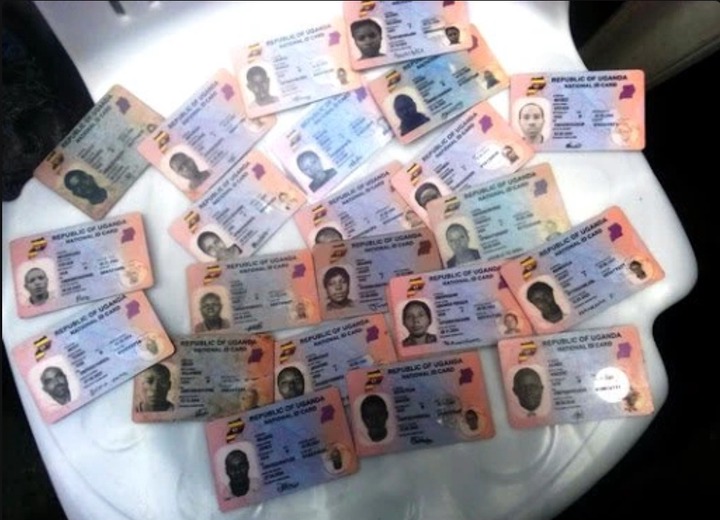
    Kampala, Uganda – The National Identification and Registration Authority (NIRA) has reached a significant milestone in its national ID renewal program, with thousands of renewed identification cards now ready for collection across Uganda.

    The announcement brings relief to countless citizens who have been eagerly awaiting their updated IDs, essential for accessing critical services like healthcare, education, banking, and voting.

    On Monday, NIRA registrar Claire Ollama addressed the press, revealing that production of the renewed national ID cards began last week and has already yielded impressive results. “We are thrilled to share that we’ve produced 100,000 renewed national ID cards since last week,” Ollama said. “These cards have been dispatched to distribution centers nationwide, ensuring accessibility for applicants in every region.”

    The rollout marks a major step forward in the government’s efforts to strengthen Uganda’s national identification system. National IDs are a cornerstone of daily life, required for everything from opening bank accounts to registering for school or participating in elections. For those with expired or damaged IDs, the renewal process is vital to maintaining access to these services.

    Ollama confirmed that the cards are either en route or have already arrived at various collection points across the country. “This shows our renewal program is delivering results,” she said, emphasizing NIRA’s commitment to making the process as smooth as possible. She urged applicants to visit their designated pickup centers to collect their new IDs and called for patience as the authority continues processing remaining applications. “We’re working tirelessly to ensure everyone receives their renewed IDs quickly,” she assured.

    The renewal program has faced challenges in recent months, including delays and system backlogs that frustrated many applicants. Some citizens expressed concerns about long wait times, raising questions about the efficiency of the process.

    However, NIRA’s latest update demonstrates progress in overcoming these hurdles. The production of 100,000 cards in such a short period signals that the authority is addressing earlier issues and improving its operations.

    To keep citizens informed, NIRA has advised Ugandans to check with their local NIRA offices or designated collection points for updates on their ID status. The authority has also pledged to provide regular updates as production continues in the coming weeks, to meet national demand in an organized and timely manner.

    The successful rollout of renewed IDs is a critical part of ensuring that all Ugandans have access to valid identification. A valid ID not only facilitates access to essential services but also empowers citizens to fully participate in the country’s economic and civic life. By prioritizing efficiency and addressing past challenges, NIRA is working to build a stronger, more reliable system for delivering these vital documents.

    As the renewal program moves forward, NIRA encourages citizens to stay engaged and proactive. Applicants are advised to contact their local NIRA office or visit collection points to confirm the availability of their renewed IDs. With thousands of cards now ready and more on the way, this milestone marks a promising step toward ensuring every Ugandan has the identification they need to thrive.