Blog

  • 13 Mega Projects Being Constructed By Govt in Uganda

    13 Mega Projects Being Constructed By Govt in Uganda

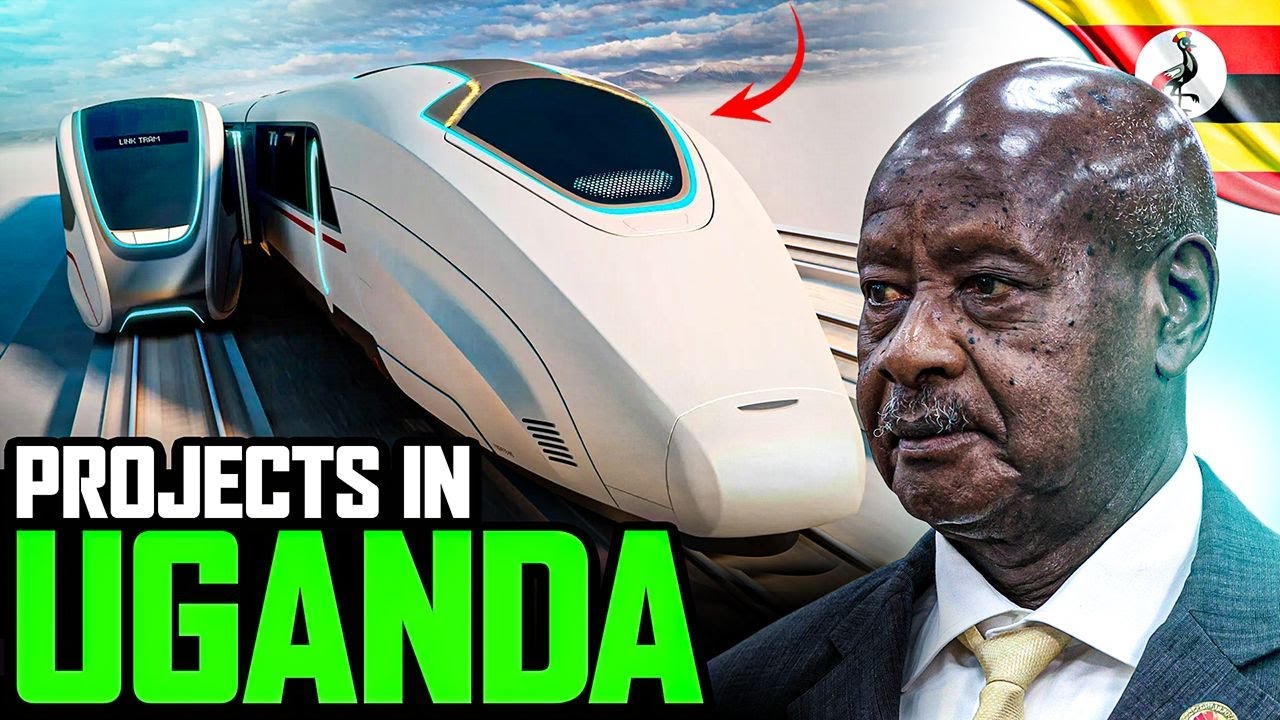
    Uganda is undergoing a major transformation fueled by some of the most ambitious infrastructure projects in its history. These government-led mega projects span across energy, transportation, oil and gas, sports, and urban development. From oil pipelines to world-class stadiums, Uganda is positioning itself as a regional powerhouse in trade, energy, and connectivity. Here is an in-depth look at thirteen of the most significant government projects shaping the future of the country.

    1. East African Crude Oil Pipeline (EACOP)

    One of the largest infrastructure projects in East Africa, the East African Crude Oil Pipeline stretches 1,443 kilometers from Hoima in Uganda to the port of Tanga in Tanzania. Valued at between five and ten billion US dollars, the pipeline is already over fifty percent complete and is expected to be operational by mid-2026. Once finished, it will transport up to 216,000 barrels of crude oil per day. The project is jointly backed by the governments of Uganda and Tanzania, along with major stakeholders TotalEnergies and the China National Offshore Oil Corporation.

    Unveiling the East African Crude Oil Pipeline's Commercial Structure -  Publicist East Africa

    2. Uganda Oil Refinery and Kabalega Industrial Park

    Located in Hoima District, the Uganda Oil Refinery project is valued at approximately four billion US dollars. It is designed to process up to 60,000 barrels of oil per day and will be the cornerstone of the Kabalega Industrial Park. This 29 square kilometer complex will host not only the refinery but also fertilizer plants, oil storage facilities, housing estates, a hospital, and an international airport. The Front-End Engineering Design has been completed, and construction is expected to begin soon with operations slated for 2027.
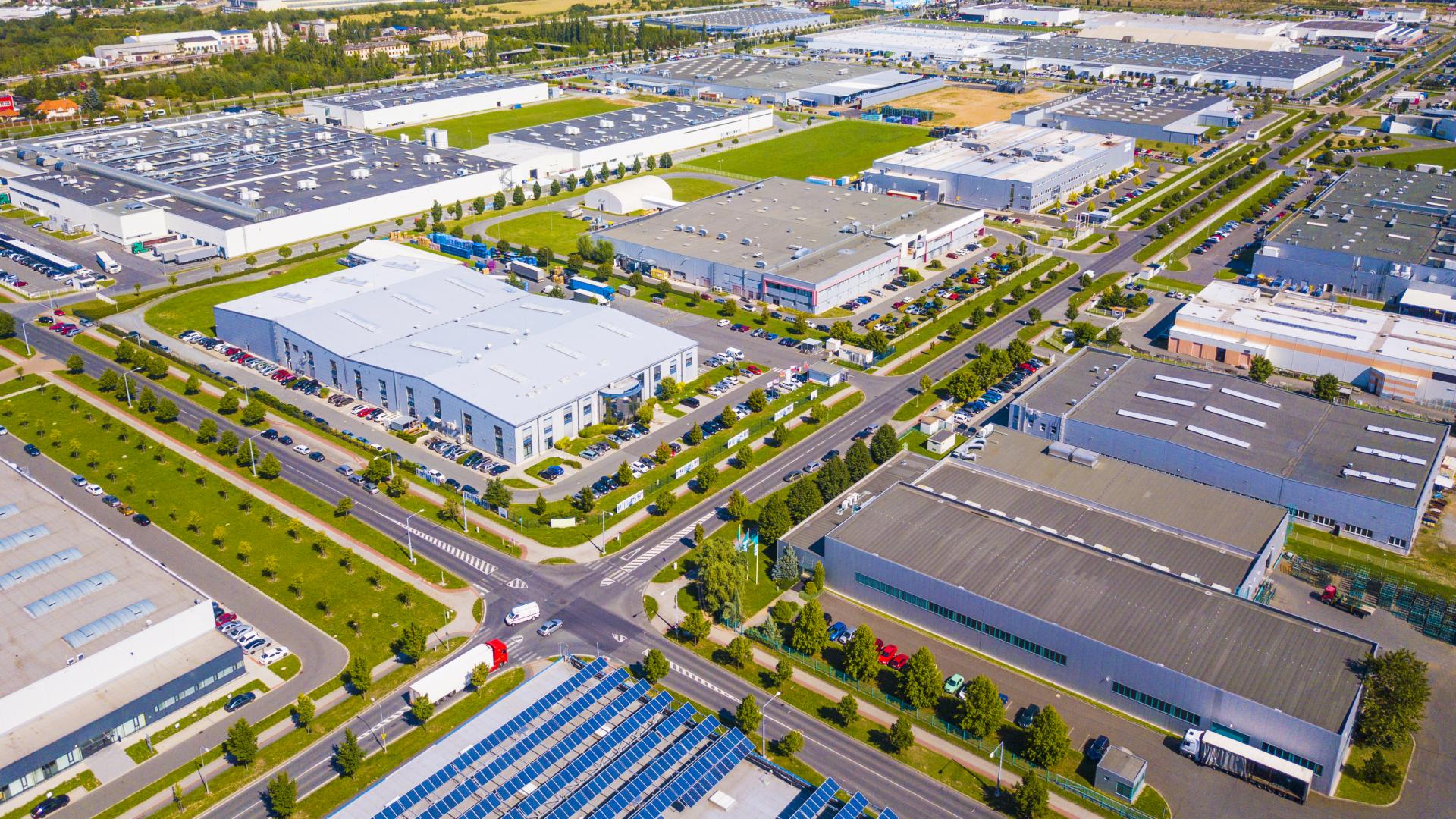
    Kabaale Industrial Park – opportunities. | Radix Private Ltd

    3. Tilenga and Kingfisher Oil Fields

    The Tilenga and Kingfisher oil fields, located near Lake Albert, represent major upstream developments in Uganda’s oil sector. Tilenga is operated by TotalEnergies, while Kingfisher is run by the China National Offshore Oil Corporation. These multi-billion dollar projects have already employed over 11,000 Ugandans and are integral to the country’s overall oil production strategy. Drilling and infrastructure installation are actively ongoing.

    TotalEnergies Tilenga oil drilling project in Uganda update - Green  Building Africa

    4. Standard Gauge Railway (SGR) – Kampala to Malaba

    This section of Uganda’s planned standard gauge railway covers 273 kilometers from Kampala to the Malaba border with Kenya. It is part of a larger 1,724 kilometer East African railway network designed to improve trade logistics across the region. Valued at approximately 2.3 billion US dollars, the project is being executed by Turkish firm Yapi Merkezi. While construction awaits full financing, agreements have been signed and the target completion date is set for 2028.

    URC STARTS RAILWAY UPGRADE AND EXTENSION - Published By UPPC

    5. Kampala to Jinja Expressway

    The Kampala to Jinja Expressway is a 77 kilometer toll highway designed to relieve traffic congestion and improve trade along Uganda’s busiest transport corridor. With an estimated cost of around 1.1 billion US dollars, the project is being implemented as a public-private partnership and is financed by institutions such as the African Development Bank, the European Union, and the UK’s Foreign, Commonwealth and Development Office. Completion is expected around the year 2030.

    Buckle-up speed demons: Kampala-Jinja Expressway to be the fastest road in  East Africa - 256 Business News256 Business News

    6. Kabalega International Airport in Hoima

    This airport project is primarily designed to support the logistics needs of Uganda’s growing oil and gas sector, but it will also handle commercial passenger and cargo flights. The airport features a 3.5 kilometer runway capable of accommodating large aircraft such as Boeing 747s. The project is valued at approximately 323 million US dollars and is currently over 85 percent complete. It is scheduled to open in September 2025.

    Kabalega International Airport in Hoima Nears Completion, Set to Boost  Cargo and Passenger Travel – 256trends.com

    7. Kidepo International Airport in Karamoja

    Located near Kidepo Valley National Park, this new international airport is expected to boost tourism and regional trade. With an annual passenger capacity of up to two million, the airport is designed to accommodate large aircraft including the Boeing 777. Construction began in August 2024 and initial groundwork is now underway.

    8. Bukasa Inland Port

    The Bukasa Inland Port, located on the shores of Lake Victoria near Kampala, is a key logistics project aimed at reducing Uganda’s dependency on the port of Mombasa. The port will have the capacity to handle approximately 5.2 million tonnes of cargo per year. Phase one of the project, valued at 14.9 million euros, is currently under construction and is expected to be completed by late 2025.

    Image

    9. Hydropower Dams – Ayago, Kiba, and Oriang

    Uganda is planning to significantly expand its power generation capacity through the construction of three massive hydropower dams on the River Nile. These include Ayago with a planned output of 840 megawatts, Kiba with 400 megawatts, and Oriang with 392 megawatts. Combined, they are expected to add approximately 1,600 megawatts to the national grid. These projects are currently under planning and funding negotiations.

    Uganda seeks financing to boost hydropower capacity by 1,600 MW - Radar  Africa

    10. Angololo Multipurpose Dam

    This dam project, located on the Uganda–Kenya border in Tororo, is designed to deliver clean water, irrigation for 3,300 hectares, and generate 1.75 megawatts of hydroelectric power. The dam stands 30 meters high and construction is actively underway. Completion is expected between 2025 and 2026.

    11. Mpigi Expressway

    The Kampala to Mpigi Expressway is a key transport corridor stretching approximately 23 kilometers. It is designed to ease traffic congestion and improve regional connectivity. The project is being constructed by China Civil Engineering Construction Corporation and is valued at over 147 million US dollars. Construction is currently ongoing with expected completion in 2025.

    DENIS JJUUKO: Mpigi could be the next investment big thing - Watchdog Uganda

    12. Hoima Stadium

    This 20,000-seat stadium in Hoima City is one of the key venues being built in preparation for Uganda’s role as a host of the 2027 Africa Cup of Nations. Funded by the government with support from China, the stadium will serve both international tournaments and domestic league events. Groundbreaking began in 2024, and construction is progressing steadily.

    13. Aki Bua Olympic Stadium

    Named after Uganda’s first Olympic gold medalist John Akii-Bua, this stadium is being constructed in Lira. With a capacity of 30,000 seats, it is designed as a multi-sport facility capable of hosting international events. The project is being revived as part of the 2024 to 2026 infrastructure agenda and will serve as a key venue for national sports development as well as 2027 Africa Cup of Nations matches.
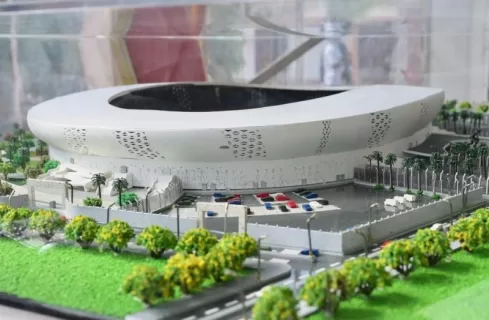
    $129 Million Akii-Bua Olympic Stadium Construction Flagged off in Uganda

    These thirteen mega projects reflect Uganda’s strategic push toward modernization, regional integration, and economic resilience. By investing in oil, energy, transport, tourism, and sports infrastructure, the country is laying the foundation for long-term development and positioning itself as a key player in the East African region.

  • NRM Primaries: Ssekikuubo Rwashande Clash in Lwemiyaga

    NRM Primaries: Ssekikuubo Rwashande Clash in Lwemiyaga

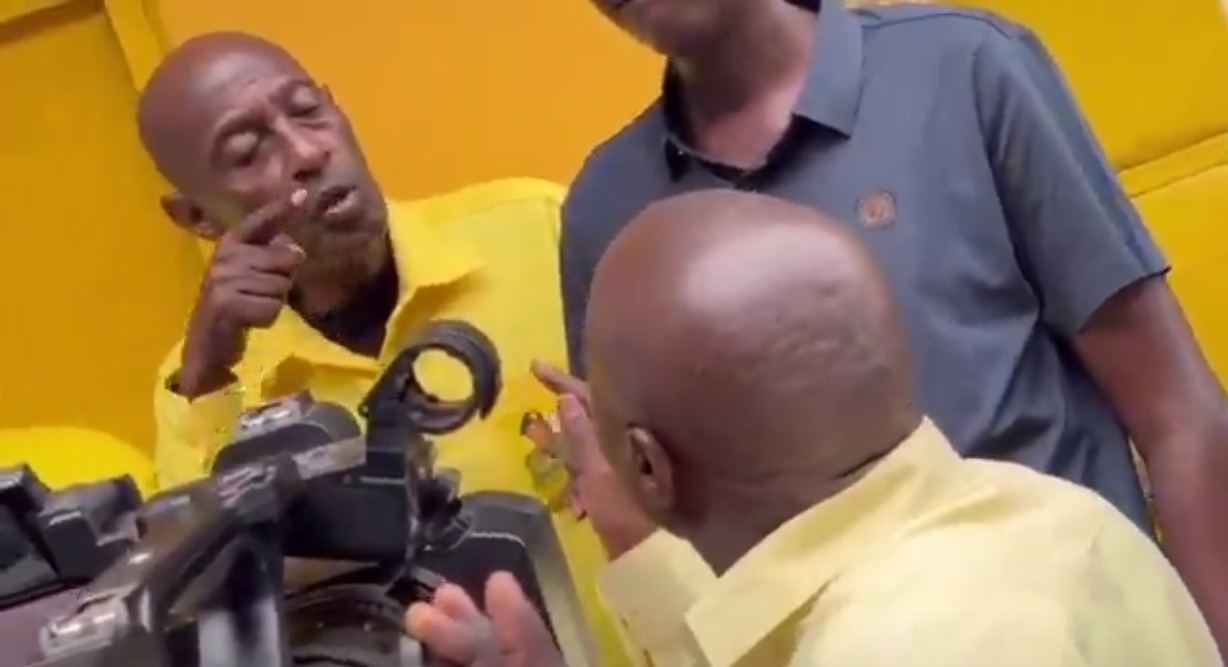
    As the ruling National Resistance Movement (NRM) gears up for the 2026 general elections, political tensions in Ssembabule district’s Lwemiyaga constituency have reached a boiling point. A heated confrontation broke out on polling day between the incumbent Member of Parliament, Theodore Ssekikuubo, and his main challenger, retired Brigadier Emmanuel Rwashande.

    The two political heavyweights clashed in front of voters and NRM polling officials at a local polling station. Despite attempts by electoral staff to defuse the situation, the argument quickly escalated from a verbal exchange into personal insults.

    The altercation highlights the intensity of the contest to secure the party’s flag for the 2026 elections, particularly in Lwemiyaga, a constituency with a history of political violence.

    Earlier this week, campaigning was temporarily halted in the area after a tragic incident involving the death of a supporter. The NRM Electoral Commission chairperson suspended all election-related activities following the killing of 25-year-old Fred Ssembusi, a known supporter of Ssekikuubo. Ssembusi was fatally shot by a UPDF soldier reportedly deployed to a campaign rally organized by Ssekikuubo, under circumstances allegedly linked to Rwashande’s camp.

    Ssekikuubo narrowly escaped harm, suffering a finger injury from the same bullet that killed his supporter. The incident forced him to suspend his campaign activities. In response, police assigned him security to safeguard his movements for the remainder of the campaign period.

    This episode mirrors the troubling pattern of electoral violence seen in previous elections in the region. Observers and local leaders are once again voicing concerns that NRM primaries in Ssembabule continue to be tainted by violence and bloodshed, casting a shadow over the integrity of the internal electoral process.

  • Mystery As University Graduate Is Discovered Dead In Lodging

    Mystery As University Graduate Is Discovered Dead In Lodging

    A 22-year-old woman, identified as Deborah Ememem, was found dead under a bed in a hotel room several days after she had checked in with a male companion.

    Deborah had checked into the hotel on the night of June 14, accompanied by a man believed to be her boyfriend. The two had reportedly gone there to relax after celebrating her birthday the previous day.

    When Deborah’s mother was unable to reach her and her calls went unanswered, she became worried. After several failed attempts to get in touch, she reported her daughter missing at the nearest police station.

    Investigations began immediately. Police later discovered that Deborah had entered the hotel with a man named Emmanuel Gambo, a student. The authorities confirmed that the two had booked the room together on the night she disappeared.

    According to police sources, Emmanuel was later arrested in connection with the incident. During questioning, he allegedly confessed to killing Deborah.

    He claimed that the two got into an argument after she asked him to pay UGX35000, which was more than the UGX10000 they had originally agreed upon. He said the disagreement escalated into a physical fight, during which he strangled her, claiming it was in self-defense.

    Realizing she had died, Emmanuel reportedly wrapped her body in a cloth and hid it under the bed. He then took her phone and other personal belongings before fleeing the hotel.

    A few days later, guests staying in nearby rooms began complaining about a terrible smell. Hotel staff investigated and discovered Deborah’s decomposing body hidden under the bed. Authorities were immediately called in to handle the situation.

    Police say Emmanuel had used a fake name and address when booking the room, making it harder to trace him. However, on July 2, he was located and arrested at his residence. At the time of his arrest, he was found in possession of Deborah’s iPhone, further linking him to the crime.

    The case has shocked many and raised concerns about safety and accountability in hotel establishments, particularly regarding the use of false identities during check-in.


    Investigations are ongoing as authorities prepare formal charges against Emmanuel. The young woman’s family is now left mourning a painful loss that followed what should have been a time of celebration.

  • Husband of NRM’s Kamuli Woman MP Aspirant Shot Dead

    Husband of NRM’s Kamuli Woman MP Aspirant Shot Dead

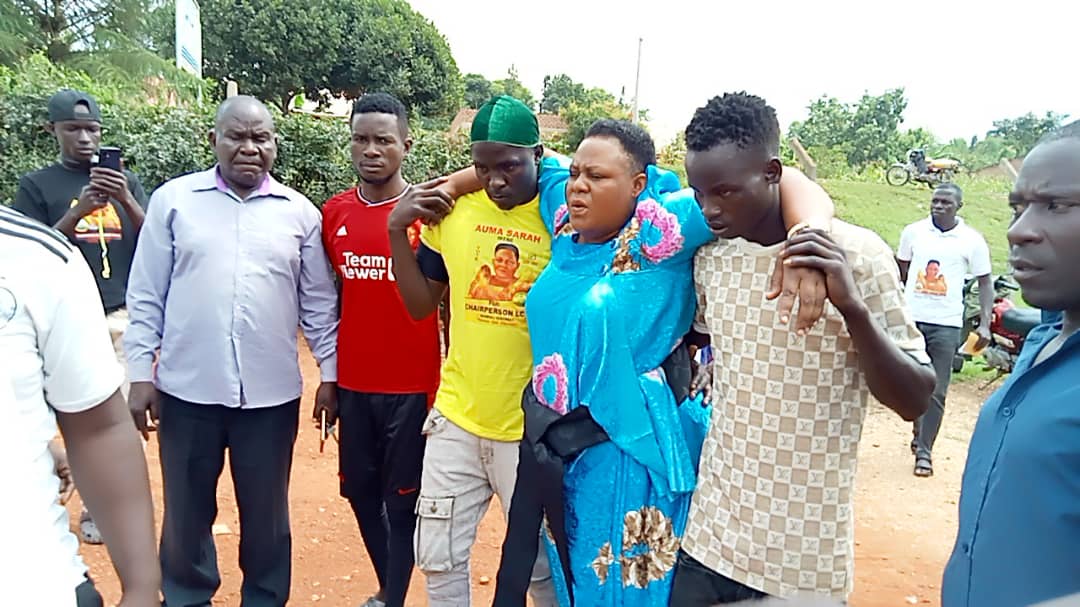
    Police in Kamuli District have shot and killed Sowedi Egumbye, the husband of National Resistance Movement (NRM) Kamuli District Woman MP aspirant Sarah Auma, following a late-night incident linked to political violence.

    According to police, the shooting occurred around 11:00 p.m. after a group allegedly associated with Auma’s campaign forcefully entered the home of Buzaaya County MP, Martin Muzaale.

    Busoga North police spokesperson, ASP Michael Kasadha, stated that the group arrived in a motorcade and used one of their vehicles to ram through the gate of Hon. Muzaale’s residence.

    “They used one of the cars to knock down the gate of Honourable Muzaale to gain entry,” Kasadha told Baba FM. “They injured people because they had weapons like pangas and hammers. These are some of the items we recovered from the scene.”

    Police were alerted and responded to the scene. Upon arrival, they reportedly found the group attempting to flee. During efforts to stop the vehicle, Sowedi Egumbye was shot.

    “It is unfortunate. We wouldn’t want to lose anybody because of elections, but people must follow the rules,” Kasadha said.

    Egumbye’s body was taken to Kamuli General Hospital for a post-mortem examination.

    Police have confirmed that several individuals have been arrested in connection with the incident.

    Meanwhile, reports suggest that Egumbye had been on the police’s wanted list as the suspected leader of a counterfeit money distribution network in Kamuli District, and for his alleged involvement in multiple robberies.

  • PHOTOS: Hoima Stadium Construction Enters Final Stretch As 2027 AFCON Looms

    PHOTOS: Hoima Stadium Construction Enters Final Stretch As 2027 AFCON Looms

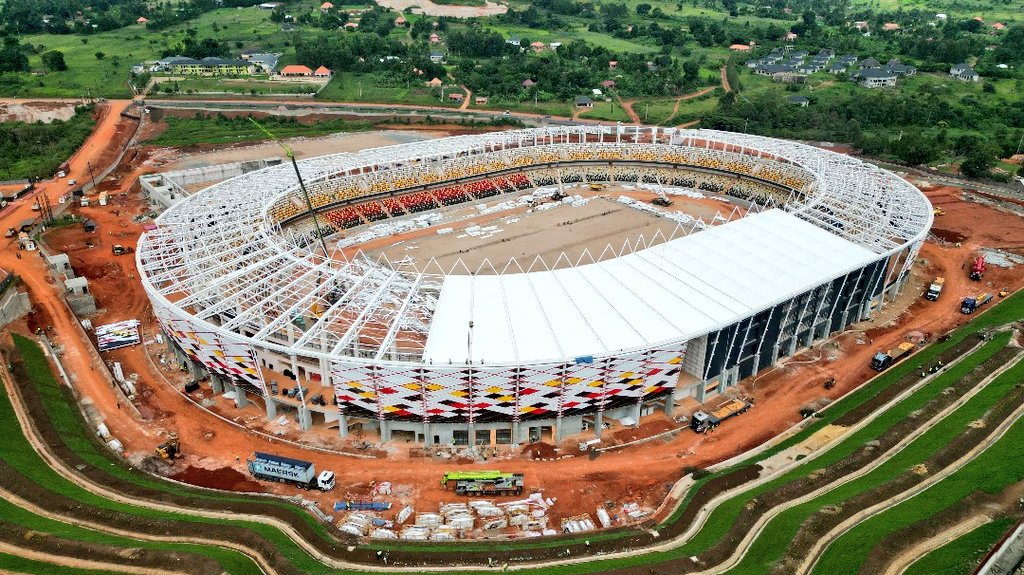
    Construction of the Hoima City Stadium has entered a critical stage, with significant progress now visible on multiple fronts. The $129 million project, which will be a key venue for the 2027 Africa Cup of Nations, is moving steadily towards completion.

    On Wednesday, contractors reported that the upper car park had been paved with its first layer of asphalt. Roofing work is also advancing well, with the membrane now halfway installed and exterior cladding progressing even faster.

    Image

    All structural trusses are now in place, marking the completion of one of the stadium’s major engineering milestones. Inside the 20,000-seater facility, attention has shifted to finishing touches. Most HVAC systems are already in place, and teams are now working on ceilings, painting, electrical installations, and other interior details.

    Landscaping has also begun, with flower planting and greening underway, ushering in the aesthetic phase of the project.

    Contractors expect to complete the main stadium structure by the end of July. Focus will then shift to the surrounding sports complex, which is scheduled for handover to the government by December 2025, well ahead of the initial timeline.

    Image

    Seen as a cornerstone of Uganda’s preparations to co-host the 2027 AFCON, Hoima City Stadium is being celebrated by leaders and residents alike as a transformative investment in the region’s sporting infrastructure and economic growth.


  • 5 Things That Happen When You Call on the Name of Jesus at Midnight

    5 Things That Happen When You Call on the Name of Jesus at Midnight

    There’s something sacred about midnight. It’s when the world is quiet, the distractions fade, and everything slows down—except your thoughts. Midnight is when the silence can feel deafening and your problems feel larger than life. It’s the hour of wrestling, wondering, and sometimes weeping.

    But it’s also the hour of breakthrough.

    In Scripture and in life, midnight represents transition—the end of one day and the start of another. It’s a liminal space, a spiritual threshold. And when we choose to call on the name of Jesus at midnight, powerful things begin to happen.

    You may be facing a personal midnight right now—a dark season, a painful chapter, a moment of fear or uncertainty. Maybe your midnight looks like depression, grief, sickness, heartbreak, or anxiety. If so, take heart. Because midnight isn’t the end—it’s the setup for something new.

    Let’s explore what happens when you call on the name of Jesus at midnight and why it may be the most powerful time to pray.

    Midnight in the Bible: Where Breakthrough Begins

    The Bible is filled with moments that happened at midnight—and they weren’t accidents. God often moves in the darkest hour to remind us that light is coming.

    Take Acts 16, for example. Paul and Silas were beaten and thrown into prison for preaching the gospel. With their feet in stocks and wounds on their backs, they had every reason to be bitter. But what did they do?

    “About midnight, Paul and Silas were praying and singing hymns to God, and the other prisoners were listening to them. Suddenly, there was a violent earthquake…” (Acts 16:25–26)

    At midnight, they called on the name of Jesus. They worshiped when it didn’t make sense. And what followed was a divine jailbreak—their chains fell off, the prison doors flew open, and their testimony brought a jailer and his family to salvation.

    There’s something spiritually significant about midnight prayers. When we choose to lift our voices in the darkest hour, we declare that God—not our circumstances—has the final word.

    What Does It Mean to Call on the Name of Jesus?

    To call on the name of Jesus is to acknowledge His authority, power, and presence in your situation. It’s not just a phrase—it’s a declaration of dependence and trust.

    Romans 10:13 says, “Everyone who calls on the name of the Lord will be saved.”

    In Greek, the word for “call” implies an urgent cry. It’s what you do when you’re desperate. When you’ve exhausted all your resources. When you realize that nothing and no one else can fix what’s broken.

    Calling on Jesus isn’t weak—it’s wise. It positions your heart to receive divine help. And in the spiritual realm, it activates heaven’s response.

    At midnight, when fear whispers and doubt creeps in, calling on Jesus is how we push back the darkness. It’s how we say, “This isn’t over. My God is still with me.”

    5 Things That Happen When You Call on the Name of Jesus at Midnight

    1. Chains Begin to Break

    When you call on the name of Jesus at midnight, bondage is broken.

    Whether it’s addiction, fear, anxiety, depression, or unforgiveness, Jesus has the power to break every chain.

    Philippians 2:9-10 says: “God exalted Him to the highest place and gave Him the name that is above every name, that at the name of Jesus every knee should bow…”

    That includes the name of cancer. The name of trauma. The name of shame.

    When you cry out the name of Jesus, you’re invoking authority over everything that has tried to imprison you. And like Paul and Silas, your chains can fall off—even when you’re still in the middle of the night.

    2. Peace Begins to Fill Your Soul

    There’s a supernatural peace that comes when you speak the name of Jesus. It’s not the peace the world gives. It’s not circumstantial. It’s not temporary. It’s deep, lasting, and unshakable.

    In John 14:27, Jesus said: “Peace I leave with you; My peace I give you. I do not give to you as the world gives. Do not let your hearts be troubled and do not be afraid.”

    At midnight, when anxiety threatens to steal your rest, calling on Jesus invites His peace to take over.

    You may not feel better instantly. The storm may not disappear right away. But something shifts internally. Your breathing slows. Your perspective clears. And you remember: You are not alone.

    3. Heaven Responds to Earth’s Cry

    Heaven listens when you call. Your midnight prayer is not a whisper into a void—it’s a petition that reaches the throne of grace.

    Psalm 18:6 says: “In my distress I called to the Lord… He heard my voice; my cry came before Him, into His ears.”

    You may feel forgotten. Overlooked. Too broken. Too tired. But God hears every cry.

    When Paul and Silas prayed at midnight, there was a sudden moment. Earthquake. Breakthrough. Salvation.

    Sometimes the response is immediate. Sometimes it’s delayed. But always—it’s heard. When you call on the name of Jesus, heaven leans in.

    4. Demons Begin to Flee

    The name of Jesus carries authority over darkness. Demons don’t tremble at motivational quotes or positive thinking—they tremble at the name of Jesus.

    James 2:19 says: “Even the demons believe—and shudder.”

    When you call on Jesus at midnight, you declare war against the enemy’s plans. Fear loses its grip. Lies are silenced. Oppression lifts.

    Your midnight prayer isn’t just personal—it’s powerful. You are engaging in spiritual warfare with the greatest weapon available: the name of Jesus Christ.

    5. Hope Begins to Rise

    Midnight often feels like the end. But when you call on the name of Jesus, you realize—it’s just the beginning.

    Psalm 30:5 says: “Weeping may endure for a night, but joy comes in the morning.”

    Your situation may not change overnight. But when you pray, something changes in you. Faith rises. Hope returns. The enemy loses his hold on your future.

    The name of Jesus is the doorway to new beginnings. Healing. Restoration. Redemption. And when you call on Him at your lowest, you set the stage for your greatest comeback.

    Don’t Wait for Morning—Pray Now

    You don’t have to wait until things get better. Until the sun rises. Until the pain lessens. Until the fear passes.

    Call on the name of Jesus now. Right where you are. In your pajamas. On your floor. With tears in your eyes and questions in your heart.

    He doesn’t need polished prayers. He just wants your heart.

    At midnight, you are seen. You are heard. You are loved.

    And when you call on Jesus, He shows up.

    Final Thoughts: When Midnight Comes, Call on the Name of Jesus

    Midnight is not just a time on the clock—it’s a metaphor for the hardest seasons of life. And it’s in those seasons that the power of Jesus becomes most evident.

    You don’t have to stay silent in the dark. You don’t have to be strong on your own. You don’t have to wait until morning.

    Call on the name of Jesus.

    Chains will break. Peace will come. Heaven will move. And hope will rise.

    Because even in your darkest hour, the Light of the World is just a whisper away.

    Feeling overwhelmed in your midnight hour? Discover what happens when you call on the name of Jesus at midnight—how chains break, peace comes, and breakthrough begins.

  • “I Have Never Seen A Person As Poor As Hon Betty Nambooze Before Entering Parliament, Even The Poor Used To Laugh At Her” Says Frank Gashumba

    “I Have Never Seen A Person As Poor As Hon Betty Nambooze Before Entering Parliament, Even The Poor Used To Laugh At Her” Says Frank Gashumba

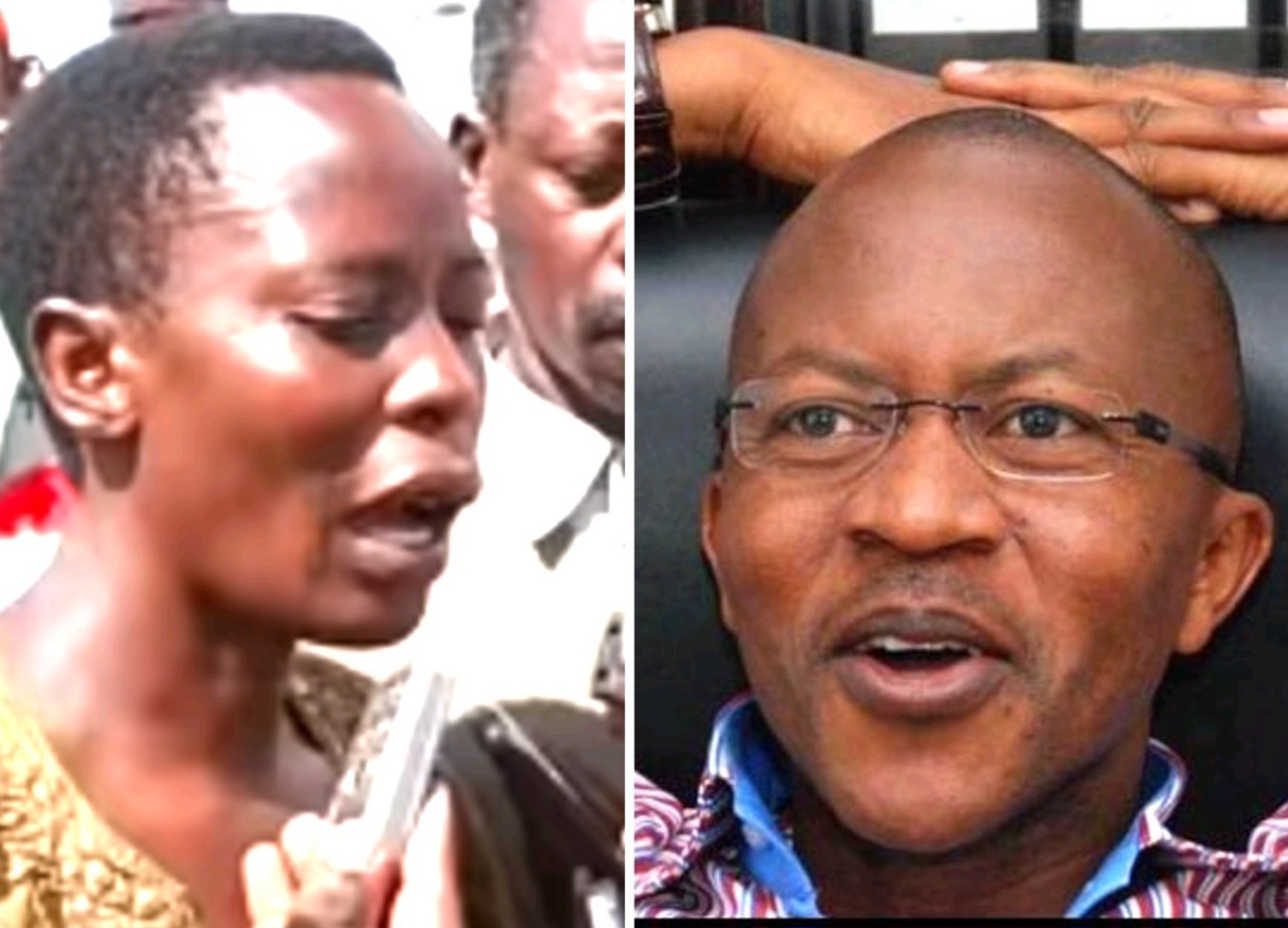
    Controversial political commentator Frank Gashumba has stirred yet another storm with scathing remarks about Members of Parliament, accusing them of using public office as a shortcut out of poverty rather than a platform to serve the nation.

    Speaking on the Entugga programme on Radio 4, Gashumba launched into a blistering critique, claiming that many Ugandan politicians enter Parliament financially unstable, only to rapidly enrich themselves once in office.

    “The moment most of them step into Parliament, their lives change overnight,” Gashumba said. “They abandon the people who voted for them and focus entirely on personal gain.”

    He singled out Mukono Municipality MP Hon. Betty Nambooze in a particularly pointed attack, calling her a textbook example of this trend. In comments that shocked many listeners, he claimed, “Before joining Parliament, I had never seen anyone as poor as Betty Nambooze. Even the poor laughed at her.”

    Gashumba went further, alleging that Nambooze had been previously involved in a corruption scandal, which he linked to what he described as her “desperate background.” According to him, the desire to escape poverty made her vulnerable to unethical decisions.

    “Today, she moves with pride as if she’s never tasted poverty,” he added, suggesting that her current confidence is rooted in wealth acquired through questionable means.

    He concluded his tirade with a broader condemnation of Uganda’s political class, asserting that the majority of MPs are motivated not by patriotism but by a thirst for money, status, and influence.

    The remarks have sparked widespread reaction online. Some praised Gashumba for speaking what they see as uncomfortable truths, while others condemned his comments as unnecessarily personal and disrespectful, especially toward a sitting female legislator.

    As of now, Hon. Betty Nambooze has not issued any public response to the allegations.

    Source: Kampala Eye

  • Former Rakai District Boss Sentenced For 5yrs Over Multimillion Bribery Scandal

    Former Rakai District Boss Sentenced For 5yrs Over Multimillion Bribery Scandal

    In a resounding warning to corrupt public officials across Uganda, the Anti-Corruption Division of the High Court has today sentenced the former Chairperson of the Rakai District Service Commission, David Mpuga, to five years in prison or a UGX 7.2 million fine after he was found guilty of soliciting bribes from job seekers.

    Mpuga, a key figure in the district’s human resource machinery, was convicted for demanding UGX 20 million from a candidate applying for the position of Agricultural Officer. The former chairperson allegedly promised the job in exchange for the hefty sum — a practice that has become alarmingly rampant in local government recruitment circles.

    In a plea bargain agreement, Mpuga agreed to compensate the victim with UGX 30 million and was also barred from holding any government position for the next 10 years. This marks one of the most high-profile convictions involving the abuse of district recruitment powers for personal enrichment.

    Nationwide Crackdown Underway

    The sentencing comes amid a broader anti-graft operation spearheaded by the State House Anti-Corruption Unit targeting the sale of public jobs by District Service Commissions (DSCs) across the country.

    Recent arrests have already been made in Mpigi and Gomba, and investigators have confirmed that operations are being scaled up to cover more districts in a bid to dismantle what is now seen as a network of local government corruption.

    A senior official from the Anti-Corruption Unit, speaking on condition of anonymity, said:

    “This is just the beginning. We have credible evidence of a cartel operating in several districts where job seekers are extorted for bribes ranging from UGX 5 million to UGX 50 million, depending on the position.”

    A Warning Shot To Public Officials

    The conviction of Mpuga is being hailed as a milestone in Uganda’s war against corruption, especially in the public sector recruitment process which has long been criticized for favoritism, bribery, and nepotism.

    Civil society groups and anti-corruption watchdogs have welcomed the ruling, calling it a “step in the right direction” toward restoring integrity in public service.

    Local residents in Rakai expressed mixed reactions, with some calling for the recovery of more stolen funds and prosecution of other commission members suspected of being involved in similar scams.

    “Mpuga is not the only one — there are others who have turned government jobs into a private business,” said a teacher in Rakai who preferred anonymity. “We want thorough investigations and more arrests.”

    With the State House Anti-Corruption Unit intensifying investigations, Ugandans are likely to witness more arrests and prosecutions in the coming weeks as the government sends a clear message that “public offices are not for sale.”

    For now, the conviction of David Mpuga stands as a cautionary tale — that no official is above the law, and the days of buying and selling public service jobs may be numbered.

  • Fraudsters Take Off With Ugx500m Cattle Compensation For Northern War Victims

    Fraudsters Take Off With Ugx500m Cattle Compensation For Northern War Victims

    Authorities have arraigned three individuals before the Otuke Magistrates Court in connection with a large-scale fraud involving the government’s cattle compensation program in Otuke District.

    The suspects — Obua Denith, Okeng Joel, and Ayo Jonan — were jointly charged with theft and unlawful possession of National Identity Cards belonging to other individuals. The case was presented by the Office of the Director of Public Prosecutions (ODPP), in collaboration with the State House Anti-Corruption Unit and the Criminal Investigations Directorate (CID).

    According to the prosecution, the accused conspired with others still at large to exploit vulnerable residents — particularly elderly claimants — during the registration and bank account opening process for cattle compensation. The program was set up to compensate individuals whose cattle were lost during insurgencies in northern Uganda.

    Investigators allege that the trio unlawfully obtained bank account details and national IDs of victims, which they then used to gain access to government compensation funds. In many cases, the victims were reportedly denied access to their own account information, effectively locking them out while the fraudsters withdrew large sums of money on their behalf.

    Initial estimates suggest the suspects siphoned over UGX 500 million from the affected accounts. The stolen funds were meant to compensate residents for livestock lost during past conflicts.

    The court has remanded the three accused until July 22, 2025, as investigations continue to track down other individuals believed to be involved in the scheme.

    Authorities have urged members of the public, especially compensation beneficiaries, to remain vigilant and report any irregularities in the claims or banking processes.

  • Eight Reasons Why Men Cheat in Marriages

    Eight Reasons Why Men Cheat in Marriages

    Infidelity is one of the most painful experiences a couple can go through, especially in marriage where trust and commitment are sacred. While every situation is different, understanding why some men cheat can help both partners address deeper issues and begin the healing process. Cheating doesn’t always mean a man doesn’t love his wife—it often reflects unmet needs, personal struggles, or poor communication. Here are eight human-centered reasons why men cheat in marriages:

    1. Emotional Disconnection

    Many men cheat when they feel emotionally distant from their partners. If a man feels ignored, unloved, or unappreciated at home, he may seek validation or emotional intimacy elsewhere.

    2. Lack of Physical Intimacy

    Physical connection is important in marriage. If the spark fades or affection becomes rare, some men begin to feel rejected and start looking for that physical comfort outside the relationship.

    3. Desire for Variety or Excitement

    Some men are driven by curiosity or boredom. The routine of marriage can make them crave something new or adventurous, even if it’s temporary and shallow.

    4. Low Self-Esteem or Insecurity

    Believe it or not, some men cheat not because they feel powerful—but because they feel weak. Getting attention from someone else boosts their ego and temporarily makes them feel desirable.

    5. Opportunity and Temptation

    Easy access and lack of accountability can lead men to make poor choices. Being in the wrong place, with the wrong people, at the wrong time can lead to impulsive decisions.

    6. Unresolved Personal or Childhood Issues

    Some men carry emotional baggage—such as abandonment, trauma, or trust issues—that lead them to sabotage their own relationships without realizing it.

    7. Poor Communication

    When couples stop talking honestly, misunderstandings grow. Instead of expressing dissatisfaction or working on the marriage, some men take the easier—but more destructive—path of cheating.

    8. Influence from Peers or Society

    Sometimes, societal pressure or toxic male friendships normalize cheating. A man may be influenced by friends who see infidelity as a sign of masculinity or success.

    Cheating is never justified, but understanding the root causes can be the first step toward healing. Honest conversations, counseling, and mutual effort can rebuild what’s broken—if both partners are willing.