Blog

  • PHOTOS: 13 Mega Projects Being Constructed By Ugandan Govt

    PHOTOS: 13 Mega Projects Being Constructed By Ugandan Govt

    Uganda is undergoing a major transformation fueled by some of the most ambitious infrastructure projects in its history. These government-led mega projects span across energy, transportation, oil and gas, sports, and urban development. From oil pipelines to world-class stadiums, Uganda is positioning itself as a regional powerhouse in trade, energy, and connectivity. Here is an in-depth look at thirteen of the most significant government projects that are shaping the country’s future.

    1. East African Crude Oil Pipeline (EACOP)

    One of the largest infrastructure projects in East Africa, the East African Crude Oil Pipeline stretches 1,443 kilometers from Hoima in Uganda to the port of Tanga in Tanzania. Valued at between $5 billion and $10 billion, the pipeline is already over 50 percent complete and is expected to be operational by mid-2026. Once finished, it will transport up to 216,000 barrels of crude oil per day. The project is jointly backed by the governments of Uganda and Tanzania, along with major stakeholders TotalEnergies and the China National Offshore Oil Corporation.


    Unveiling the East African Crude Oil Pipeline's Commercial Structure -  Publicist East Africa

    2. Uganda Oil Refinery and Kabalega Industrial Park

    Located in Hoima District, the Uganda Oil Refinery project is valued at approximately four billion US dollars. It is designed to process up to 60,000 barrels of oil per day and will be the cornerstone of the Kabalega Industrial Park. This 29 square kilometer complex will host not only the refinery but also fertilizer plants, oil storage facilities, housing estates, a hospital, and an international airport. The Front-End Engineering Design has been completed, and construction is expected to begin soon with operations slated for 2027.
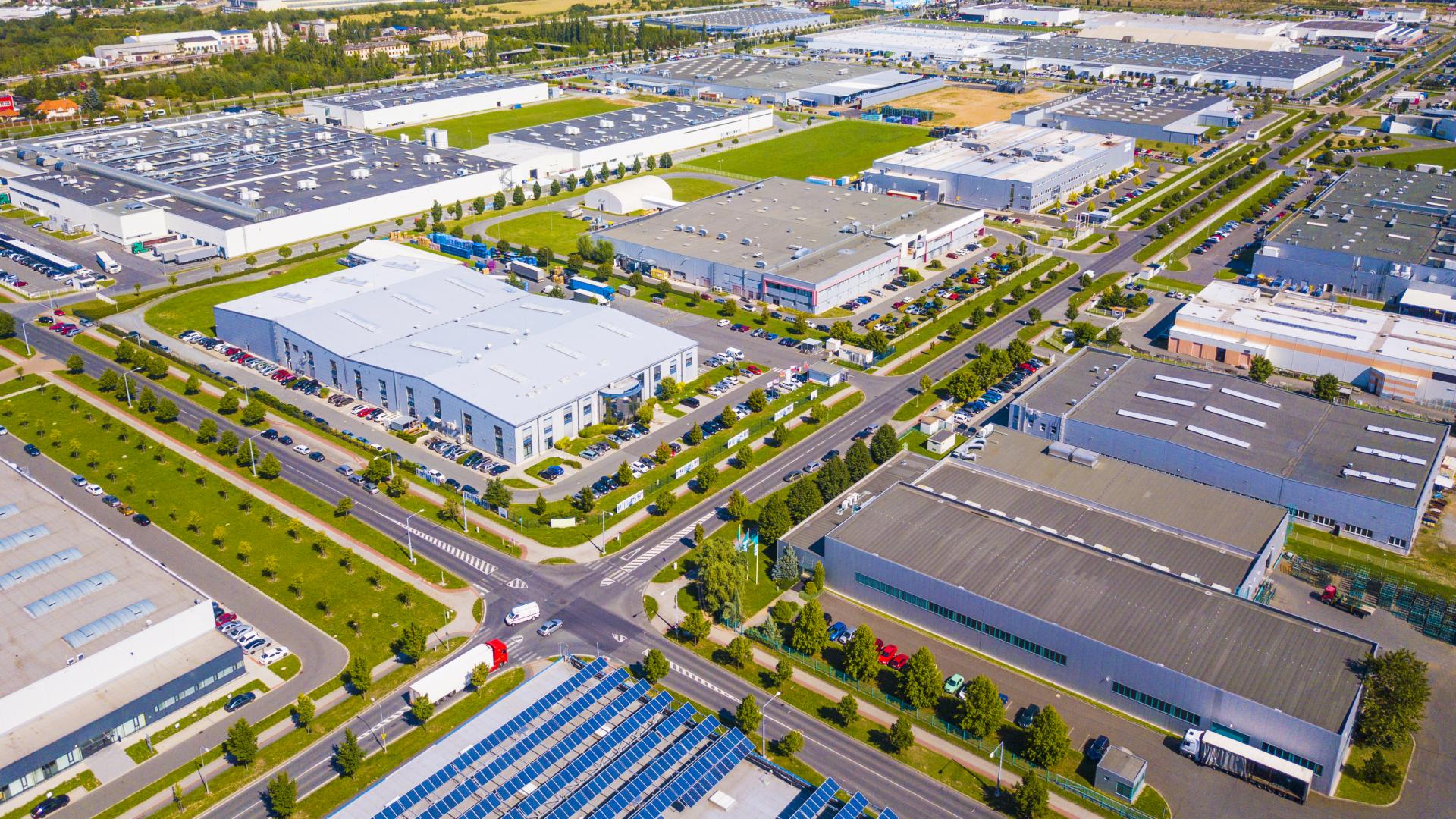
    Kabaale Industrial Park – opportunities. | Radix Private Ltd

    3. Tilenga and Kingfisher Oil Fields

    The Tilenga and Kingfisher oil fields, located near Lake Albert, represent major upstream developments in Uganda’s oil sector. Tilenga is operated by TotalEnergies, while Kingfisher is run by the China National Offshore Oil Corporation. These multi-billion dollar projects have already employed over 11,000 Ugandans and are integral to the country’s overall oil production strategy. Drilling and infrastructure installation are actively ongoing.

    TotalEnergies Tilenga oil drilling project in Uganda update - Green  Building Africa

    4. Standard Gauge Railway (SGR) – Kampala to Malaba

    This section of Uganda’s planned standard gauge railway covers 273 kilometers from Kampala to the Malaba border with Kenya. It is part of a larger 1,724 kilometer East African railway network designed to improve trade logistics across the region. Valued at approximately 2.3 billion US dollars, the project is being executed by Turkish firm Yapi Merkezi. While construction awaits full financing, agreements have been signed and the target completion date is set for 2028.

    URC STARTS RAILWAY UPGRADE AND EXTENSION - Published By UPPC

    5. Kampala to Jinja Expressway

    The Kampala to Jinja Expressway is a 77 kilometer toll highway designed to relieve traffic congestion and improve trade along Uganda’s busiest transport corridor. With an estimated cost of around 1.1 billion US dollars, the project is being implemented as a public-private partnership and is financed by institutions such as the African Development Bank, the European Union, and the UK’s Foreign, Commonwealth and Development Office. Completion is expected around the year 2030.

    Buckle-up speed demons: Kampala-Jinja Expressway to be the fastest road in  East Africa - 256 Business News256 Business News

    6. Kabalega International Airport in Hoima

    This airport project is primarily designed to support the logistics needs of Uganda’s growing oil and gas sector, but it will also handle commercial passenger and cargo flights. The airport features a 3.5 kilometer runway capable of accommodating large aircraft such as Boeing 747s. The project is valued at approximately 323 million US dollars and is currently over 85 percent complete. It is scheduled to open in September 2025.

    Kabalega International Airport To Be Ready For Operation In August ,2025 -  Uganda Update News


    7. Kidepo International Airport in Karamoja

    Located near Kidepo Valley National Park, this new international airport is expected to boost tourism and regional trade. With an annual passenger capacity of up to two million, the airport is designed to accommodate large aircraft including the Boeing 777. Construction began in August 2024 and initial groundwork is now underway.

    8. Bukasa Inland Port

    The Bukasa Inland Port, located on the shores of Lake Victoria near Kampala, is a key logistics project aimed at reducing Uganda’s dependency on the port of Mombasa. The port will have the capacity to handle approximately 5.2 million tonnes of cargo per year. Phase one of the project, valued at 14.9 million euros, is currently under construction and is expected to be completed by late 2025.

    Image

    9. Hydropower Dams – Ayago, Kiba, and Oriang

    Uganda is planning to significantly expand its power generation capacity through the construction of three massive hydropower dams on the River Nile. These include Ayago with a planned output of 840 megawatts, Kiba with 400 megawatts, and Oriang with 392 megawatts. Combined, they are expected to add approximately 1,600 megawatts to the national grid. These projects are currently under planning and funding negotiations.

    Uganda seeks financing to boost hydropower capacity by 1,600 MW - Radar  Africa

    10. Angololo Multipurpose Dam

    This dam project, located on the Uganda–Kenya border in Tororo, is designed to deliver clean water, irrigation for 3,300 hectares, and generate 1.75 megawatts of hydroelectric power. The dam stands 30 meters high and construction is actively underway. Completion is expected between 2025 and 2026.

    11. Mpigi Expressway

    The Kampala to Mpigi Expressway is a key transport corridor stretching approximately 23 kilometers. It is designed to ease traffic congestion and improve regional connectivity. The project is being constructed by China Civil Engineering Construction Corporation and is valued at over 147 million US dollars. Construction is currently ongoing with expected completion in 2025.

    DENIS JJUUKO: Mpigi could be the next investment big thing - Watchdog Uganda

    12. Hoima Stadium

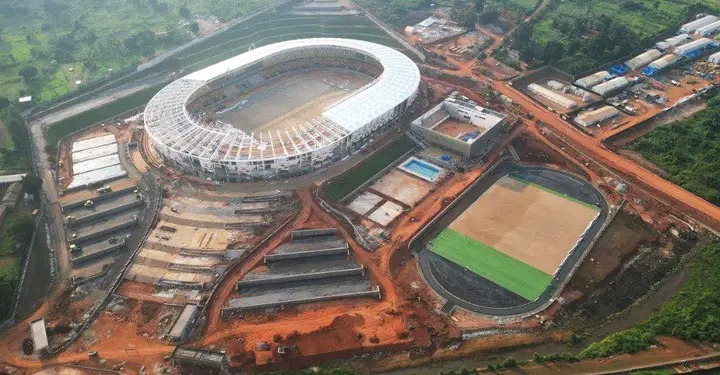
    This 20,000-seat stadium in Hoima City is one of the key venues being built in preparation for Uganda’s role as a host of the 2027 Africa Cup of Nations. Funded by the government with support from China, the stadium will serve both international tournaments and domestic league events. Groundbreaking began in 2024, and construction is progressing steadily.

    13. Aki Bua Olympic Stadium

    Named after Uganda’s first Olympic gold medalist John Akii-Bua, this stadium is being constructed in Lira. With a capacity of 30,000 seats, it is designed as a multi-sport facility capable of hosting international events. The project is being revived as part of the 2024 to 2026 infrastructure agenda and will serve as a key venue for national sports development as well as 2027 Africa Cup of Nations matches.
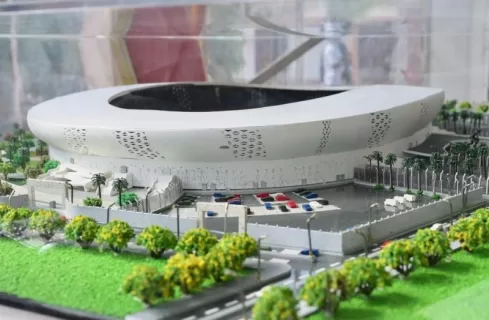
    $129 Million Akii-Bua Olympic Stadium Construction Flagged off in Uganda

    These thirteen mega projects reflect Uganda’s strategic push toward modernization, regional integration, and economic resilience. By investing in oil, energy, transport, tourism, and sports infrastructure, the country is laying the foundation for long-term development and positioning itself as a key player in the East African region.


  • Signs To Show That A lady Is Crushing On You But Can not Tell you

    Signs To Show That A lady Is Crushing On You But Can not Tell you

    Sometimes, a woman might really like a man but not tell him directly. She could be scared of him saying no, feel shy, or not know if he likes her back. Instead of using words, her actions, body language, and small behaviors often show her true feelings. If you’re wondering if a woman has a secret crush on you, here are some clear signs to notice. Paying attention to these clues can help you understand her heart, even if she’s keeping quiet.

    One big sign is that she finds ways to be near you. She might join conversations you’re having, even if she wasn’t invited. You could notice her sitting close to you in a group or showing up at places where you are, like a coffee shop or a friend’s gathering. It might seem like a coincidence, but if it happens often, it’s likely on purpose. She wants to be around you because she feels drawn to you, even if she doesn’t say it.

    Another clue is that she gives you extra attention. She might laugh harder at your jokes, even if they’re not that funny. She could remember little things you’ve mentioned, like your favorite food or a story you told weeks ago. She might also offer to help you with things, like carrying something heavy or helping with a task, when she doesn’t do the same for others. This special treatment shows she cares about you more than she lets on.

    You might also notice nervous behaviors when she’s around you. For example, she could fidget with her hands, play with her hair, or blush when you talk to her. Sometimes, she might look at you but quickly turn away if you catch her staring. These actions happen because she feels excited or nervous around you, and she can’t fully control how her body reacts. Her heart might be racing, even if she seems calm on the outside.

    Another sign is subtle compliments. She might not say something bold like, “You’re amazing,” but she could mention how nice your shirt looks or how well you did something. These small praises show she’s noticing you and wants to make you feel good. She might also ask questions about your life, like what you did over the weekend or how your family is doing. This shows she’s interested in getting to know you better, even if she’s shy about it.

    Jealousy can be another clue, though she’ll try to hide it. If you’re talking to another woman, she might act a bit distant or quiet. She could cross her arms, look away, or seem less chatty than usual. This doesn’t mean she’s upset with you, but it might show she’s worried about losing your attention. She won’t admit she’s jealous, but her behavior might give it away.

    You might also notice she tries to look her best around you. She could wear nicer clothes, fix her hair more carefully, or put on a little extra makeup when she knows you’ll be there. This effort shows she wants you to notice her, even if she’s not saying it out loud. It’s her way of catching your eye without being obvious.

    Another sign is that she mirrors your actions. If you lean forward, she might do the same. If you laugh, she laughs too. This copying happens naturally when someone feels connected to you. It’s like her body is trying to show she’s in tune with you, even if she doesn’t realize she’s doing it.

    She might also find small ways to touch you, like brushing your arm during a conversation or giving you a quick hug. These touches are gentle and quick, but they show she feels comfortable and wants to be closer to you. It’s a sign she’s letting her guard down, even if she’s shy.

    Finally, she might share personal things with you that she doesn’t tell everyone. Maybe she talks about her dreams, fears, or a funny memory from her childhood. When she opens up like this, it means she trusts you and feels a special connection. It’s her way of letting you into her world, even if she’s nervous about it.

    Love can be quiet and shy, but it’s powerful. If you pay close attention to how she acts, you’ll see her feelings shining through. Her heart speaks through her actions, louder than any words could. If you notice these signs, it might mean she’s secretly crushing on you. Take it slow and be kind, because she might be nervous about how you feel. By watching for these clues, you can understand her heart and decide if you want to take the next step together.

  • Sad As Beautiful University Student is Found Dead in Her Room (See Photos)

    Sad As Beautiful University Student is Found Dead in Her Room (See Photos)

    Emem Okon Jimmy, a final-year student of Journalism and Media Studies, was found dead in her room on the night of Friday, July 18, 2025.
    She had reportedly died in her sleep the previous day, though her body wasn’t discovered until 10:00 pm by concerned neighbours.
    Witnesses said Emem had been lively the night before, even sharing dinner with other tenants before heading to bed.
    When she wasn’t seen all day Friday, the lodge’s caretaker raised an alarm, prompting tenants to force entry through the ceiling.
    She was found lying face down, stiff and covered with her bedspread, clutching her phone, with blood reportedly coming from her nose. Her elder brother later arrived from Uyo and transported her body to the mortuary.
    A candlelight procession in her honor was held on July 24 by fellow students, ahead of her burial scheduled for Saturday, July 26, in Uyo.
    During the vigil, Dr. Inemesit Umoren, her HOD, urged students to prioritize their health and seek regular checkups.
    Emem’s friends and classmates have continued to mourn her on social media, sharing emotional tributes.
    One heartfelt message described her as a source of strength and joy, whose sudden death has left a painful void in many hearts.

    See photos below..

    Final year Akwa Ibom poly student found d3ad in her room
    Final year Akwa Ibom poly student found d3ad in her room
    Final year Akwa Ibom poly student found d3ad in her room
    Final year Akwa Ibom poly student found d3ad in her room
  • “I Don’t Have Bank Accounts Abroad” – Museveni Responds to Opposition Allegations

    “I Don’t Have Bank Accounts Abroad” – Museveni Responds to Opposition Allegations

    President Yoweri Museveni has denied claims that he owns foreign bank accounts, stating that he does not stash government funds abroad, as some critics suggest.

    Speaking on July 26, Museveni responded to allegations from opposition figures that he may be misusing the large State House budget for personal gain. He insisted that all money allocated to him is used for official work, including donations to citizens.

    The comments followed remarks by Butambala County MP Muwanga Kivumbi, who linked Museveni’s use of money in politics to voter bribery. Kivumbi accused the President of setting a bad example with his “brown envelope” culture.

    Museveni dismissed the accusations, stating that his financial gifts are acts of appreciation for good work — not bribes. He used the term “Kurongoora,” a traditional form of rewarding people for contributions such as farming, performing, or public service.

    He gave an example of giving Shs 5 million to cultural dancers in Patongo, comparing the gesture to academic bursaries or sports medals. He said such actions come from official visits, not personal interests.

    Museveni argued that as Head of State, he has authority to support citizens through such tokens. He warned politicians without such a mandate to stop copying or criticizing him.

    He added that he does not have any secret accounts and challenged those making accusations to provide evidence.

    The President also addressed long-standing rumors about his wealth, noting that he is a cattle rancher with no hidden fortune.

    Museveni reaffirmed his commitment to public service and accountability.

  • SAD: Kabale University First-Year Student Found Dead

    SAD: Kabale University First-Year Student Found Dead

    A somber cloud hangs over Rubanda District and the Kabale University community following the tragic death of Mugarura Victor, a 22-year-old first-year student whose life was just beginning to blossom.

    Police in Rubanda confirmed Victor’s death earlier this week, sending shockwaves through his family, friends, and fellow students.

    A native of the region, Victor had enrolled at Kabale University full of dreams and determination. He was pursuing a degree in Business Administration, hoping to one day uplift his family and contribute to his community.

    According to local authorities, Victor’s body was discovered near his family home under circumstances still under investigation.

    While police have not yet confirmed the cause of death, they assured the public that a postmortem is underway and that investigations will be conducted with urgency and transparency.

    At Kabale University, the news struck hard. His classmates described him as quiet, kind, and focused. “Victor had a gentle spirit,” said Juliet, a fellow student. “He didn’t speak much, but when he did, you listened. He was driven.”

    Victor’s family is devastated. His mother, holding back tears, shared, “He was our hope. He always talked about how he would build us a better home one day. We can’t believe he’s gone.”

    The university has pledged to support the family during this difficult time and is working with student leaders to offer counseling services to grieving students.

    As the sun set over the hills of Rubanda, the community came together to light candles in memory of a life lost too soon.

    Victor’s story is one of ambition cut short, a reminder of the fragility of life and the unspoken burdens many young people carry. May his soul rest in peace.

  • How to Build a House in Uganda on a Monthly Salary Below Shs1 Million

    How to Build a House in Uganda on a Monthly Salary Below Shs1 Million

    In Uganda today, many people dream of building their own home, but for those earning below Shs1 million per month, the idea often feels far out of reach. Construction is widely believed to be a luxury reserved for high-income earners or large property developers. However, this perception does not reflect the full picture. The reality is that even individuals earning modest salaries can own a home—if they approach the process with patience, discipline, and a practical long-term plan.

    The journey to building a house on a low income is not about speed or extravagance. It is about starting small, making careful financial decisions, and breaking down the construction process into manageable phases. While it may take several years, the satisfaction of finally living in a home you own, free from rent and housing insecurity, is worth the effort.

    The first and most important step is to define your expectations. It is easy to get caught up in the dream of building a large, multi-bedroom house with all the modern luxuries. But when your income is limited, ambition must meet reality. A two-bedroom house with a sitting room, kitchen, and bathroom can be more than enough for a small family. What matters is building something functional and expandable. You can always improve or extend the structure in the future as your financial situation changes.

    Before laying a single brick, it is crucial to plan thoroughly. Begin by identifying where you want to build. The cost of land varies significantly depending on the location. While land within Kampala or other major towns is prohibitively expensive for low-income earners, plots in rural or peri-urban areas like Wakiso, Mityana, Luweero, or Mukono offer much more affordable options. It is possible to find genuine plots of land for as little as Shs5 million to Shs15 million, depending on distance from town centers and availability of infrastructure. Always make sure the land is free of disputes, has a valid title, and has been surveyed properly.

    Once land is secured, the next step is developing a house plan. Even the smallest house must be planned professionally to meet approval standards set by municipal authorities. While the idea of hiring an architect may sound expensive, many affordable draftsmen and engineers can help you design a simple plan for between Shs300,000 and Shs500,000. Submitting this plan for approval is also necessary, and the approval process can cost an additional Shs500,000 to Shs1 million, depending on your location.

    Construction does not need to happen all at once. For a person earning Shs800,000 monthly, trying to build a complete house in a single year would be financially overwhelming. But by dividing the construction into clear phases such as foundation, walling, roofing, and finishing, you can begin the journey with whatever amount you can consistently set aside. If you save even Shs400,000 every month, that adds up to nearly Shs5 million in one year. That’s enough to clear the land and lay a proper foundation. In two to three years, you could have the house roofed and enclosed. Bit by bit, the home begins to take shape.

    The construction of a modest two-bedroom house in Uganda typically costs between Shs70 million and Shs90 million if you avoid luxury materials and do most of the supervision yourself. This estimate includes the major structural components like the foundation, walls, roofing, windows, doors, plastering, plumbing, and wiring. However, it does not account for compound work, fencing, or decorative finishes. By focusing first on what is essential: shelter, safety, and sanitation, you can create a livable space before worrying about things like painting, tiling, or ceilings.

    Supervising your own construction is also a key way to cut costs. Many first-time builders make the mistake of handing over their entire budget to contractors without tracking spending. While it’s fine to hire skilled builders, your involvement—either in sourcing materials, checking daily progress, or negotiating prices can save you millions in unnecessary costs. In many cases, friends or family members may also be willing to assist with labor, land clearing, or basic construction work.

    It is also helpful to tap into local building knowledge. Many rural and peri-urban communities have experienced builders who can construct quality homes at a fraction of the cost charged by formal construction firms. Buying materials like bricks, sand, and gravel locally will reduce transport costs. Opting for locally available iron sheets instead of imported roofing materials is another simple way to stay within budget.

    Another effective strategy for low-income earners is to join a SACCO (Savings and Credit Cooperative Organization) or community savings group. These offer low-interest loans and make it easier to commit to regular saving. Many Ugandans earning below Shs1 million per month have used SACCOs to gradually raise funds for each construction stage. Other options include seeking financial support from trusted relatives or using small, structured loans from microfinance institutions.

    Building while still paying rent in town can also slow your progress. If possible, consider moving in with family or shifting to a cheaper location while building. Even saving Shs200,000 monthly in rent can help you buy a truckload of sand or several bags of cement within a few months.

    Finally, it’s important to understand that your first house doesn’t need to be perfect. It just needs to be yours. You can start with basic finishes, second-hand doors, or cement floors instead of tiles. The most important thing is to create a space where you no longer have to pay rent every month, and where you can begin to build a more stable financial future.

    In the end, owning a home is not about earning millions—it’s about determination, sacrifice, and long-term planning. Many Ugandans with low monthly incomes have done it, and so can you. The key is to start small, stay focused, and believe in the power of building, one brick at a time.


  • Smart Ways to Make Over Shs100,000 Daily Online in Uganda

    Smart Ways to Make Over Shs100,000 Daily Online in Uganda

    Uganda’s economy continues to challenge its growing youth population. With a high unemployment rate, limited access to well-paying jobs, and the rising cost of living, many people—especially students and young adults—are turning to the internet to generate income. The good news is that making money online is no longer just a global idea; it’s now a reality in Uganda. With just a smartphone, some internet, and time, you can earn money without leaving your home. Here are 23 detailed and realistic ways to make money online in Uganda today.

    1. Trading Bitcoin

    As the value of the Ugandan shilling weakens due to inflation, many have turned to cryptocurrencies like bitcoin as an alternative store of value. With Paxful, a peer-to-peer crypto exchange, you can buy and sell bitcoin using mobile money or bank transfers. Paxful allows traders to profit by taking advantage of price fluctuations and also offers an affiliate program where you can earn a commission by referring others. Many young Ugandans have turned small crypto trades into regular income streams.

    2. Testing Websites and Apps

    Technology companies constantly need feedback from real users. Platforms like UserTesting pay you to test websites or apps and give your honest opinion. Each test usually lasts 15–20 minutes and pays about $10. All you need is a computer or phone with internet and a microphone to record your voice as you navigate the site.

    3. Taking Surveys and Watching Videos

    Sites like InboxDollars pay users to complete short surveys, read promotional emails, and watch videos. Each activity pays a small amount, but they can add up over time. If you’re consistent, you can earn weekly rewards. This is a good way for students and stay-at-home moms to make pocket money from home.

    4. Playing Games for Rewards
    Apps like Mistplay reward you for playing mobile games. You earn points for every minute played, which can be converted into gift cards for Amazon, Google Play, or even PlayStation. While not a full-time income, it’s an easy way to earn while enjoying your favorite games.

    5. Earning from Web Searches

    Qmee is a browser extension that rewards you for clicking on specific search results. While using Google or Bing, you’ll see occasional sponsored links with a small reward next to them. Click, and you earn instant cash into your Qmee wallet. No withdrawal limit, and you get paid to search as you normally would.

    7. Teaching English Online

    Many companies pay tutors to teach English to non-native speakers. Platforms like TeacherOn allow you to set your own rates and schedule. If you speak English fluently, you can earn by teaching students in countries like China or Saudi Arabia. All you need is a webcam and a quiet environment.

    8. Translation Jobs

    If you are fluent in English and another language (like Swahili, Luganda, or French), you can work as a freelance translator on platforms like TranslatorsCafe. These platforms offer jobs in legal, medical, and technical translation. Translators are paid per word, and some projects offer hundreds of dollars.

    9. Freelancing on Global Marketplaces

    Sites like UpworkFiverr, and Freelancer offer jobs in writing, graphic design, web development, and more. Many Ugandans now work full-time as freelancers, earning in USD. To succeed, build a strong profile, showcase your skills, and deliver work on time.

    10. Voice-Over Projects

    If you have a clear voice and good pronunciation, you can earn by voicing commercials, audiobooks, and YouTube intros. Voices.com is the top platform for this. With some basic audio equipment and a quiet room, your voice can earn you serious money from clients abroad.

    11. Data Entry Work

    Websites like Clickworker and Smart Crowd offer data entry tasks. These include typing, verifying data, and categorizing information. They don’t pay much per task, but the work is simple and flexible—perfect for people with basic computer skills.

    12. Selling Products Online

    You can sell phones, clothes, accessories, or even second-hand items on Jumia Uganda or Jiji Uganda. Once you create a seller account, you upload product photos and start receiving orders. With reliable delivery and good pricing, online selling can grow into a real business.

    13. Dropshipping Without Inventory

    With dropshipping, you sell products without stocking them. You create an online store (using Shopify), list products from AliExpress, and when someone orders, the supplier ships directly to the customer. You profit from the price difference, and all logistics are handled by the supplier.

    14. Field Tasks for Global Brands

    Apps like FieldAgent and BeMyEye offer tasks like checking shelf prices in supermarkets or photographing products. Each task takes 5–10 minutes and pays $3 to $12. These are real gigs you can complete during your regular shopping.

    15. Selling Your Photos

    If you enjoy photography, upload your work to Foap. High-quality photos of daily life, wildlife, or local food can be licensed by brands or websites. Every time your photo is downloaded, you earn a share of the licensing fee. Even smartphones can take sellable pictures.

    16. Becoming a Virtual Assistant

    Busy professionals, including doctors in the U.S., hire virtual assistants to manage their paperwork. iScribes offers online jobs for virtual medical scribes. You’ll help organize patient records and write summaries. This is a growing opportunity in the healthcare outsourcing sector.

    17. Audio Transcription

    Sites like TranscribeMe pay users to listen to audio files and type what they hear. If you’re detail-oriented with good grammar, this is a steady online job. Many transcriptionists earn $15–25 per audio hour, depending on speed and accuracy.

    18. Running a YouTube Channel

    With over 5 million Ugandans on YouTube, content creation is growing. If you can teach, entertain, or review products, you can start a channel, grow your following, and earn through YouTube ads and brand partnerships. It takes time to build, but success stories from Uganda prove it’s worth it.

    19. Selling Online Courses

    Use Udemy to teach what you know—whether it’s cooking, graphic design, or business skills. You record video lessons, upload them, and get paid every time someone enrolls. It becomes passive income as long as people continue buying your course.

    20. Publishing Ebooks

    Amazon’s Kindle Direct Publishing lets you publish ebooks for free. You can write about farming, business, or relationships and sell your book to readers globally. Each sale earns you up to 70% in royalties, and you retain full control of your content.

    21. Writing for Revenue-Sharing Platforms

    HubPages allows anyone to write articles and earn from ads. If you like to write about news, tech, or lifestyle, you can submit posts and get paid based on views. Writers earn money over time as articles continue to attract readers.

    22. Developing Mobile Apps

    If you know coding, app development can be a high-paying career. Use platforms like Gun.io or X-Team to find clients looking for mobile app developers. You can work remotely for international companies and earn in dollars.

    23. Affiliate Marketing

    With affiliate marketing, you promote products using special referral links. When someone clicks and makes a purchase, you get paid. Amazon AssociatesJumia Uganda, and Paxful Affiliate are all examples. Promote products on WhatsApp, TikTok, or a blog and earn without selling anything yourself.

    Conclusion

    Uganda’s future depends on the creativity and resilience of its young people. While formal jobs may be limited, the internet has opened up a world of possibilities for those willing to learn and work. From freelancing and teaching to selling products and building audiences, the opportunities to earn online are endless. The key is to start small, stay consistent, and be patient. Your first dollar earned online could lead to a full-time income tomorrow.

  • Here Are 7 Reasons to Start Your Day With God

    Here Are 7 Reasons to Start Your Day With God

    Starting your day with God is more than a habit; it’s a choice that shapes your heart, mind, and soul. Taking a moment each morning to connect with God brings peace, purpose, and strength to face whatever lies ahead. Whether through prayer, reading scripture, or quiet reflection, giving God your first moments sets a powerful tone for the day. Here are seven heartfelt reasons why beginning your morning with God can transform your life.

    First, it anchors you spiritually. When you open your day with prayer or a few verses from scripture, you center your thoughts on truth and love. This simple act reminds you of your purpose and reassures you that you’re never alone, no matter what challenges come your way. It’s like building a foundation for your day, grounded in faith and hope.

    Second, starting with God invites peace into your heart. Life can be chaotic, with endless tasks and worries piling up. But when you pause to pray or reflect, you hand those burdens over to God. His presence brings a calm that no morning coffee or inspiring podcast can match. Instead of starting the day anxious, you begin with a quiet confidence that carries you through.

    Third, it helps you set positive intentions. When you seek God in the morning, you align your heart with His will. This focus makes you more likely to act with kindness, patience, and purpose throughout the day. Instead of reacting to stress or frustration, you’re guided by a sense of direction that comes from starting with God.

    Fourth, beginning your day with God strengthens your faith over time. Even a short moment—five minutes of prayer or reading—builds a steady connection with Him. Faith isn’t just about big moments; it grows through small, daily steps. Morning time with God becomes a habit that deepens your trust and relationship with Him, day by day.

    Fifth, it gives you inner strength to face life’s challenges. Some days bring tough situations, but starting with God reminds you that His strength is there when you feel weak. A quick prayer or a verse can lift your spirit and give you the courage to tackle difficulties with confidence, knowing you’re supported by a higher power.

    Sixth, connecting with God in the morning helps you focus on what truly matters. Life is full of distractions—work, social media, or small daily stresses can pull you away from what’s important. But when you prioritize God, you’re reminded of eternal values like love, compassion, and service. This focus keeps you grounded and helps you make choices that reflect what’s truly meaningful.

    Finally, starting your day with God fills you with gratitude and joy. When you begin by thanking Him for another day, you shift your perspective. Instead of focusing on what’s missing, you notice the blessings around you. This gratitude sparks hope and joy, nourishing your spirit and setting a positive tone for the hours ahead.

    Making space for God in the morning doesn’t require hours—it can be as simple as a short prayer, a moment of gratitude, or reading a single verse. The key is consistency and sincerity. Try it for a week, and you’ll feel the difference in your heart and outlook. Starting your day with God isn’t just a routine—it’s a life-changing practice that brings peace, strength, and joy to every moment.

  • PHOTOS: Current Situation Of Hoima City Stadium Which Is Under Construction

    PHOTOS: Current Situation Of Hoima City Stadium Which Is Under Construction

    The completion of Hoima City Stadium marks a major milestone for President Yoweri Museveni’s government, showcasing its focus on improving infrastructure and supporting sports in Uganda. What was once a barren, dusty field has now become a modern sports complex, symbolizing progress and opportunity for the people of Hoima and beyond.

    The transformation of the stadium is remarkable. Just a few years ago, the site was little more than dirt and basic structures. Today, it boasts modern seating, a high-quality playing field, and updated facilities. This change reflects the government’s belief in steady progress, often summed up by the phrase “Trust the Process.” The new stadium not only supports Uganda’s growing interest in sports but also boosts the country’s efforts to develop its cities.

    Image

    Located in Hoima, a region rich in oil, the stadium is set to become a center for activity. It will host local and national sports events, create jobs, and attract tourists. For young people, the stadium offers a place to develop their athletic skills, learn discipline, and build a sense of community through healthy competition. This makes it more than just a sports venue—it’s a space for growth and unity.

    Government leaders have shared that the stadium is part of a bigger plan to bring development to all parts of Uganda, not just the capital. President Museveni’s vision is to spread progress across the country, and projects like this one align with Uganda’s long-term goals, such as Vision 2040 and the National Development Plan. These plans aim to improve infrastructure and create opportunities for everyone.

    Image

    The people of Hoima are thrilled with the new stadium. Residents say it has changed the look and feel of their city, giving them a sense of pride. Local leaders have praised the government for its efforts, noting that the stadium will boost the economy by creating jobs and drawing visitors. They also believe it will inspire young people to get involved in sports and community activities.

    The Hoima City Stadium is a sign of Uganda’s growing role in sports, oil production, and infrastructure development. It stands as a symbol of what the country can achieve with determination and vision. Similar projects are underway in other parts of Uganda, showing the government’s commitment to improving lives across the nation. By investing in places like Hoima, the Museveni administration is building a foundation for a brighter future, one that offers opportunities for all Ugandans.

    Image

    As the stadium opens its doors, it represents more than just a place to play sports. It’s a beacon of hope, progress, and community spirit. With every game played and every visitor it welcomes, Hoima City Stadium will continue to inspire and uplift the people of Uganda, proving that big dreams can become reality with hard work and dedication.

  • “Bobi Wine Or Any NUP Member Should Not Dare Attend My Burial When I’m Dead” Betrayed Sami Okonya Cuts All Ties With NUP

    “Bobi Wine Or Any NUP Member Should Not Dare Attend My Burial When I’m Dead” Betrayed Sami Okonya Cuts All Ties With NUP

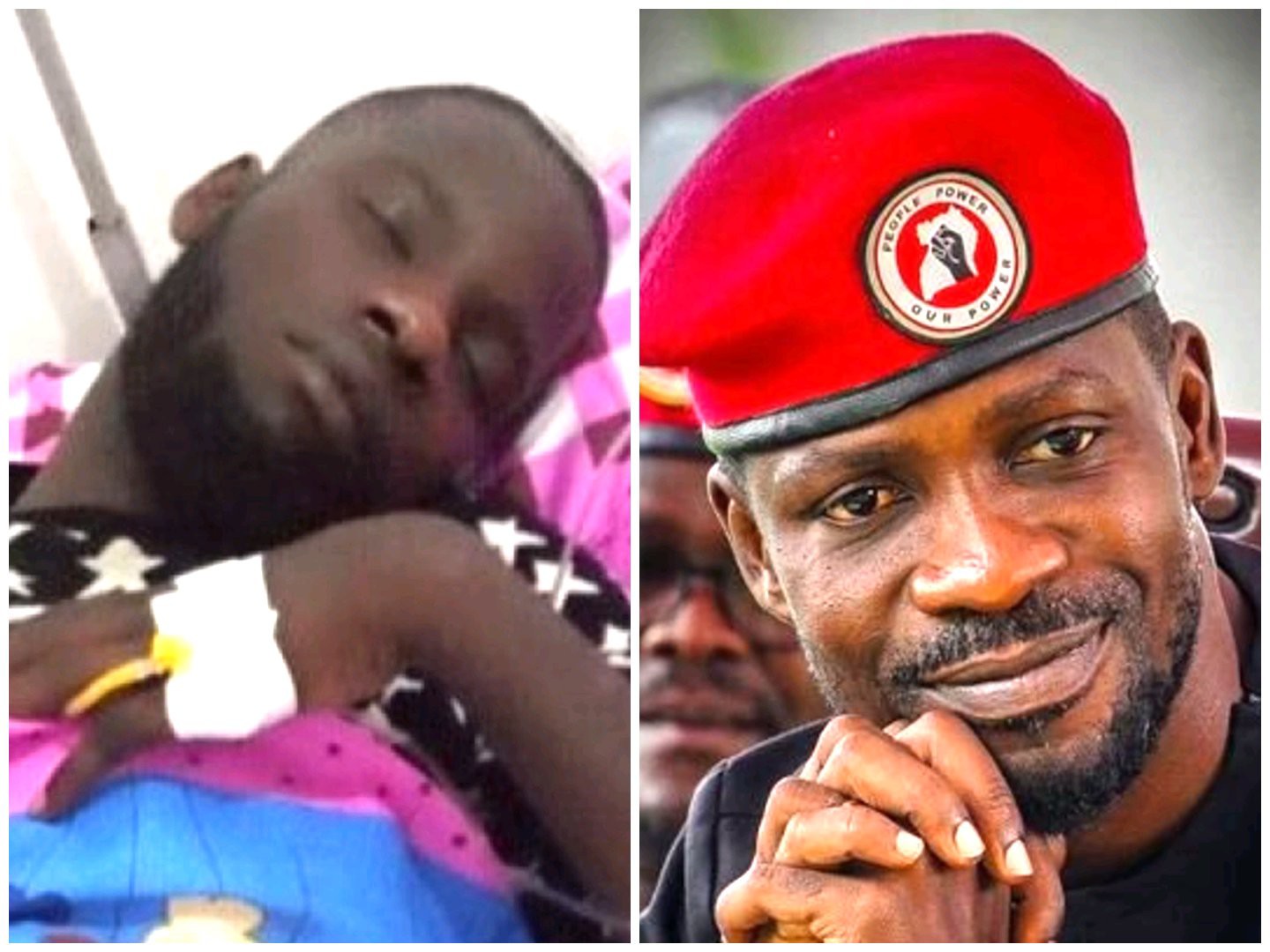
    Ugandan comedian Sami Okonya, better known as Sami Mighty from Da Mighty Family, has made a strong and emotional statement from his hospital bed. He says he no longer wants anything to do with the National Unity Platform (NUP) or its leader Robert Kyagulanyi Ssentamu, known to many as Bobi Wine.

    Speaking on July 24, 2025, from Mulago National Referral Hospital, where he is recovering from stomach surgery, Sami said he now regrets ever joining NUP. He used to be a big supporter of the party and was often seen at their rallies. But now, he says he feels completely let down.

    “I don’t want Bobi Wine or anyone from NUP near my grave,” he said in a weak but serious voice. “That party destroyed my life.”

    His statement has shocked many Ugandans, especially those who saw him as a strong voice in opposition politics.

    Sami shared how his involvement in politics brought him suffering. He spoke about being arrested, beaten, and losing his marriage. He said his wife had warned him to stay out of politics, but he didn’t listen—and now he is sick, broke, and alone.

    “When I needed help, NUP was not there for me,” he said.

    He explained that at first, NUP gave him Shs 1 million and helped with treatment in Wandegeya, but later, they stopped checking on him. He said that after all the risks he took for the party, they abandoned him.

    “That’s when I knew I was truly on my own,” he added, sounding deeply hurt.

    Many people online have reacted to his story. Some feel sorry for him and say his experience shows how hard politics can be, especially for those at the grassroots level. Others say politics is risky and should be taken seriously.

    Now, Sami says he only wants peace. Once a proud political voice, he now wishes to be remembered as a man who spoke his truth—without any political ties.

    “Let me rest in peace, away from the people who left me when I needed them most,” he said.