Blog

  • Police Finally Takes Bold Step After Man Is Publicly Flogged for Allegedly Dating Nursing Student

    Police Finally Takes Bold Step After Man Is Publicly Flogged for Allegedly Dating Nursing Student

    Police have taken action after a video surfaced showing a man being publicly flogged by a school director. The incident, which took place at King James School of Nursing and Midwifery in Lira, has sparked outrage across the country. The video, lasting less than two minutes, shows the school director beating the man in front of many students. The beating occurred on February 22, 2025, and has now gone viral.

    The man, a clinical officer at Apac General Hospital, was allegedly involved in a romantic relationship with a female nursing student.

    According to reports, the woman had been sent to Apac for training, but when her father visited the school to pay her fees, he was told she had gone to the hospital. Upon traveling to Apac, the father was told his daughter had left with her elder brother for prayers. This led to further investigation and rumors that the student was hiding at Omodo Trading Centre with the man.

    The school director, Dickson Odongo, followed up on the rumors and discovered the two living together. He brought the man back to the school and publicly beat him, saying that his school was not a place for such relationships. The incident was witnessed by hundreds of students.

    A source familiar with the situation explained that the director’s actions were driven by the belief that the student’s future was being harmed by the affair. The director later tried to apologize to the man and promised compensation, but failed to deliver on that promise, which led to the video being shared online.

    The director confirmed the incident, claiming it had been resolved in February, and expressed surprise that the video had resurfaced. He stated that the police were handling the matter.

    Superintendent of Police Patrick Jimmy Okema said that the case had not been reported to his office at the time but that they were now investigating the incident. He expressed concern over the director’s violent actions and confirmed that they were looking into the assault.

    The Ugandan government has been firm in its stance against corporal punishment in schools. Major General (Rtd) Kahinda Otafire, Minister of Internal Affairs, previously directed the police to arrest anyone involved in such acts.

    The police have now taken a keen interest in the viral video, and the school director is expected to face arrest for assault.


  • Do Not Waste Your Time In Relationship If You Notice These 7 Things

    Do Not Waste Your Time In Relationship If You Notice These 7 Things

    Relationships are meant to foster love, personal growth, and mutual support, creating a safe space for both partners to thrive. However, some relationships can become draining, toxic, or unfulfilling, leaving one or both partners feeling trapped. Recognizing when a relationship no longer serves your well-being is crucial to protecting your emotional health and reclaiming your time. Walking away from a harmful or stagnant relationship is not failure—it’s an act of self-respect. Below are seven critical signs that it may be time to reevaluate and potentially end a relationship, helping you decide whether to stay or move forward.

    Lack of Respect

    Respect forms the cornerstone of any healthy partnership. When your partner consistently belittles your opinions, dismisses your emotions, or speaks to you in a condescending manner, it signals a lack of regard for your worth. This behavior might manifest as mocking your ideas, ignoring your boundaries, or undermining your achievements. A relationship without mutual respect erodes self-esteem and creates an environment of hostility. If respectful communication cannot be restored despite honest efforts, it may indicate that the relationship is no longer viable.

    Persistent Dishonesty

    Trust is the glue that holds relationships together, and habitual lying—whether about small matters or significant issues—destroys that foundation. If your partner frequently deceives you, even about seemingly minor things like their plans or feelings, it creates an atmosphere of doubt and insecurity. Constant dishonesty prevents open communication and makes it impossible to build a stable future together. When trust is repeatedly broken without genuine efforts to change, it’s a clear sign the relationship may not be worth your energy.

    One-Sided Effort

    A healthy relationship requires mutual investment from both partners, whether emotional, financial, or practical. If you find yourself always initiating conversations, planning dates, or resolving conflicts while your partner remains disengaged, you’re not in a true partnership. This imbalance can leave you feeling exhausted and unappreciated, as though you’re carrying the weight of the relationship alone. A one-sided dynamic signals that your partner is not equally committed, and continuing to pour energy into it may drain your resources without reciprocation.

    Emotional Manipulation

    Manipulation, such as using guilt, the silent treatment, or threats to control your actions, is a hallmark of toxicity. If your partner makes you feel responsible for their emotions, punishes you with silence, or pressures you into decisions against your will, they are prioritizing control over connection. This behavior undermines your autonomy and creates a power imbalance. A relationship should feel supportive, not coercive, and persistent manipulation is a strong reason to consider walking away.

    Stagnation and Lack of Growth

    Healthy relationships encourage personal and mutual growth, inspiring both partners to pursue their goals and evolve together. If you feel stuck, uninspired, or disconnected from your own identity, the relationship may be holding you back. Perhaps your partner discourages your ambitions or the dynamic feels repetitive and unfulfilling. A relationship that stifles your progress or dims your sense of self is not conducive to long-term happiness and may warrant reevaluation.

    Avoidance of Commitment

    When a partner dodges discussions about the future, such as plans for a shared life or long-term goals, it often indicates a lack of serious intent. If they keep you in limbo with vague promises or noncommittal responses, they may be stringing you along without envisioning you in their future. This emotional ambiguity wastes your time and prevents you from pursuing a relationship with someone ready to build a life together. Clarity and mutual commitment are essential for a fulfilling partnership.

    Persistent Unhappiness

    A relationship should bring more joy than pain, enhancing your life rather than detracting from it. If you’re constantly feeling sad, anxious, or confused, it’s a sign that the relationship is taking a toll on your mental health. Occasional challenges are normal, but a pattern of unhappiness suggests a deeper incompatibility. Your emotional well-being is too valuable to sacrifice for a relationship that consistently leaves you drained.

    Final Thoughts

    Your time, energy, and emotional health are precious resources—don’t invest them in a relationship where you feel undervalued or unfulfilled. Recognizing these signs empowers you to make informed decisions about your future. If these issues persist despite open communication and efforts to improve, it may be time to prioritize yourself and walk away. Letting go of a harmful relationship opens the door to healthier connections that align with your values and bring genuine happiness.

  • Two Brothers Beat Their Sister’s Boyfriend to Death in Midnight Bar Fight

    Two Brothers Beat Their Sister’s Boyfriend to Death in Midnight Bar Fight

     Two brothers, Posiano Ndyamuhaki and John Murokozi, in Rukungiri District, have been arrested on murder charges following the death of Gideon Kakuru, a 24-year-old man known as Hakizimana Kaboy. The incident occurred at 3 am on Sunday in Kanyankyende cell, Nyabitete parish, Bugangari Sub-County. The suspects’ sister, Justine Nsimire, has also been detained for further questioning.

    On the evening of July 26, 2025, Ndyamuhaki and Murokozi were at their sister’s bar in Kanyankyende trading centre, alongside other patrons, including Kakuru, who was Nsimire’s lover. A dispute arose when Kakuru attempted to engage in intimate behavior with Nsimire at the bar, which the brothers opposed.

    The disagreement escalated, leading the brothers to attack and assault Kakuru, leaving him unconscious by the roadside. The local LCI chairperson, Wilber Habaasa, was alerted and attempted to transport Kakuru to a hospital, but he died en route. The case was reported to the Bugangari police post, prompting the arrests to aid ongoing investigations.

    Police records indicate that Rukungiri District has seen a surge in violent crimes, with eight murder cases reported since July 1, 2025. In comparison, Kabale District recorded four cases, and Rubanda District reported two in the same period. This alarming trend highlights a growing concern in the region, where economic and social challenges appear to fuel such incidents.

    The Rukungiri District community development officer, Posias Agaba, pointed to poverty, particularly among unemployed youth, as a primary driver of the increased murder cases. Many young people, facing financial hardship, resort to seeking handouts from family members, which can lead to tensions and conflicts.

    Additional factors contributing to the violence include land disputes, widespread alcoholism, drug abuse, and the rising cost of living, which places significant strain on communities. These issues exacerbate frustrations and often result in violent outbursts, as seen in the tragic case of Kakuru’s death.

    To address these challenges, local authorities have initiated community sensitization efforts through FM radio programs and talk shows to educate residents about the dangers of these contributing factors. These programs aim to raise awareness and promote conflict resolution to reduce violence.

    However, efforts to conduct face-to-face sensitization meetings at the sub-county and parish levels have been hindered by insufficient funding, which limits the reach and impact of these initiatives. Agaba emphasized the need for increased resources to expand these programs and tackle the root causes of violence more effectively.

    The arrests of Ndyamuhaki, Murokozi, and Nsimire mark a critical step in the investigation into Kakuru’s death, but they also underscore broader societal issues in Rukungiri District. The police continue to probe the circumstances surrounding the incident, seeking to understand the motivations and events that led to the fatal assault.

    As the community grapples with this tragedy, local leaders are calling for collaborative efforts to address poverty, substance abuse, and other underlying factors driving the region’s murder rate. Without targeted interventions and adequate support, the cycle of violence risks persisting, further endangering lives and destabilizing communities.

  • How to Recognize When a Man is Losing Interest in the Relationship

    How to Recognize When a Man is Losing Interest in the Relationship

    Relationships thrive on connection, but sometimes that bond frays quietly, without dramatic confrontations or clear announcements. When a man is emotionally withdrawing, the signs are often subtle, like a slow leak that goes unnoticed until the damage is done. Recognizing these signals early can make the difference between reconnection and irreversible distance. Below are nine subtle behaviors that may indicate a man is emotionally disengaging, along with thoughtful steps to navigate this challenging phase.

    1. His Responses Turn Mechanical

    You ask about his day, his feelings, or even something mundane like dinner plans, and his replies are curt: “Fine,” “Whatever,” or “I don’t know.” These robotic responses signal a reluctance to share his inner world. Emotional withdrawal often begins with a refusal to engage in meaningful dialogue, leaving you feeling shut out. This isn’t just boredom—it’s a protective wall he’s building.

    2. Affection Feels Rare or Forced

    The warmth of spontaneous hugs, playful nudges, or casual hand-holding fades. When affection does occur, it may feel awkward, like he’s going through the motions rather than genuinely connecting. Physical touch is often a mirror of emotional closeness, and its absence or strain can indicate he’s pulling away internally.

    3. He Dodges Future-Oriented Conversations

    Talk of upcoming vacations, holiday plans, or even long-term goals used to flow naturally. Now, he changes the subject or shuts down when “we” enters the discussion. This avoidance suggests he’s struggling to envision a shared future, a red flag that his emotional investment may be waning.

    4. He’s Perpetually “Too Tired” for Intimacy

    Intimacy isn’t just about physical closeness—it’s a bridge to emotional connection. When he consistently claims exhaustion or disinterest, it’s not just about a busy schedule. This withdrawal often reflects a deeper emotional disconnection, where he’s hesitant to engage on a vulnerable level.

    5. He’s Absorbed in His Phone When You’re Together

    Constant scrolling, even during shared moments, is more than a bad habit—it’s an escape. He may not be hiding secrets, but his phone becomes a barrier, a way to avoid engaging with you. This distraction signals that he’s mentally checked out, prioritizing a digital world over your presence.

    6. He Stops Initiating Conversations

    If you’re always the one starting discussions, planning dates, or checking in, the emotional labor has become one-sided. His silence isn’t just passivity—it’s a sign he’s mentally stepping back, leaving you to carry the weight of maintaining the relationship.

    7. Criticism Replaces Compassion

    Traits or habits he once found endearing now seem to irritate him. Instead of responding with patience or understanding, he snaps, mocks, or sighs in frustration. This shift from kindness to criticism reflects an emotional detachment, where empathy is replaced by judgment.

    8. He’s Physically or Mentally Absent

    He may stay late at work, spend more time with friends, or lose himself in hobbies. Even when he’s home, his presence feels hollow, like he’s somewhere else entirely. This physical and emotional absence is a clear indicator that he’s creating distance, consciously or not.

    9. Your Intuition Sounds the Alarm

    Sometimes, the strongest sign is the one you can’t quite articulate. A nagging feeling that something’s off, even without concrete evidence, is often your intuition picking up on subtle shifts. Trust this inner voice—it’s frequently the first to notice emotional disconnection.

    What to Do When You Spot These Signs

    Noticing these behaviors can stir anxiety, but reacting impulsively may widen the gap. Here’s how to approach the situation thoughtfully:

    Stay Grounded: Panic can escalate tension. Take a breath and approach the situation with clarity.

    Reflect Honestly: Consider whether your own needs have been unmet, as this can influence the dynamic.

    Start a Gentle Conversation: Approach him with curiosity and openness, not blame. For example, say, “I’ve noticed you seem distant—can we talk about what’s going on?”

    Value Your Self-Worth: Whether the relationship grows stronger or ends, prioritize your own emotional health.

    Final Thoughts

    Emotional withdrawal doesn’t always mean the end. Sometimes, a man pulls away because he’s grappling with personal struggles, stress, or fear, not because he’s done with the relationship. Addressing these signs early with empathy and communication can pave the way for reconnection. However, ignoring them risks permanent damage. If you’re seeking to understand your relationship’s energy and rebuild closeness, start by listening—to him, to yourself, and to the unspoken signals between you.

  • Man Attempts to Jump Off Karuma Bridge to Float’ to Egypt  Under ‘Spiritual Orders’

    Man Attempts to Jump Off Karuma Bridge to Float’ to Egypt Under ‘Spiritual Orders’

    On Friday afternoon, security personnel at Karuma bridge intercepted a 23-year-old man, identified as Ashraf, who attempted to jump into the fast-flowing River Nile with the intention of floating to Egypt, approximately 6,650 kilometers away.

    Ashraf had traveled from Kampala on a Crown Bus and disembarked at Karuma town before heading to the bridge to dive into the river.

    Aswa West River Region police spokesperson David Ongom Mudong stated on Sunday that security officers noticed Ashraf’s suspicious behavior near the bridge and intervened promptly.

    During interrogation, Ashraf claimed he was following instructions from a friend who appears and disappears in his mind, urging him to jump into the Nile to float together to Egypt and return.

    Ashraf also revealed to the police that he had lost both parents and could not recall any relatives. Due to his statements and erratic behavior, police suspect he may be suffering from a serious mental health condition.

    Ashraf is currently receiving psychiatric care at the Gulu regional referral hospital mental health clinic.

  • 38 Killed & Burnt,15 Injured As ADF Storms DRC Church With Machetes & Fire

    38 Killed & Burnt,15 Injured As ADF Storms DRC Church With Machetes & Fire

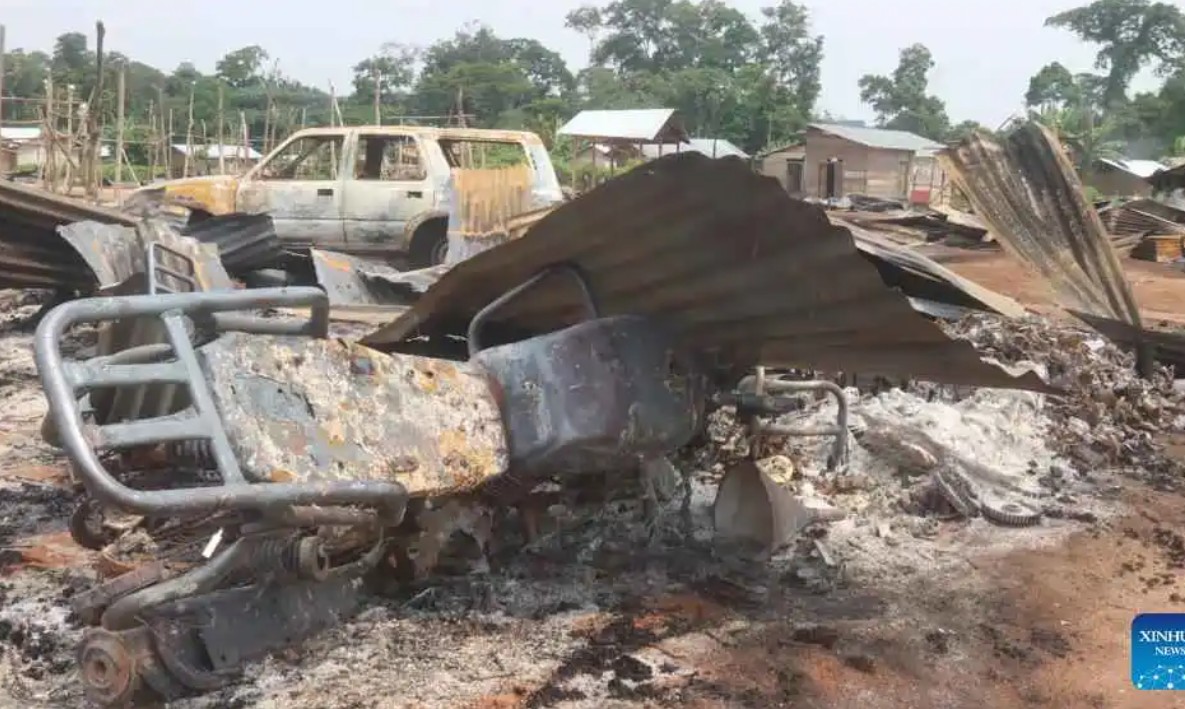
    At least 43 civilians were killed overnight from Saturday to Sunday in an attack attributed to the Allied Democratic Forces (ADF) rebels in eastern Democratic Republic of the Congo (DRC), local sources said Sunday.

    According to local media reports, ADF fighters stormed a Catholic church early Saturday in the town of Komanda, Ituri Province. A local civil society leader in Komanda said most of the victims, primarily Catholic worshippers, were preparing for Sunday celebrations when the attack took place. Several houses were burned, and an unknown number of people remain missing.

    Witnesses said the assailants also looted a local bank and other community properties before retreating into the nearby forest.

    The ADF rebels have stepped up assaults in Ituri since early July. In a statement issued earlier this week, the United Nations Organization Stabilization Mission in the DRC condemned the recent ADF attacks, which have killed at least 82 civilians in both Ituri and neighboring North Kivu Province.

    The ADF, an affiliate of the Islamic State in Central Africa, is a Ugandan rebel group operating in eastern DRC, prompting joint military operations by Congolese and Ugandan forces to pursue the group since November 2021.

  • Kagame Calls on Africans to Reject Disrespect, Reclaim Their Dignity

    Kagame Calls on Africans to Reject Disrespect, Reclaim Their Dignity

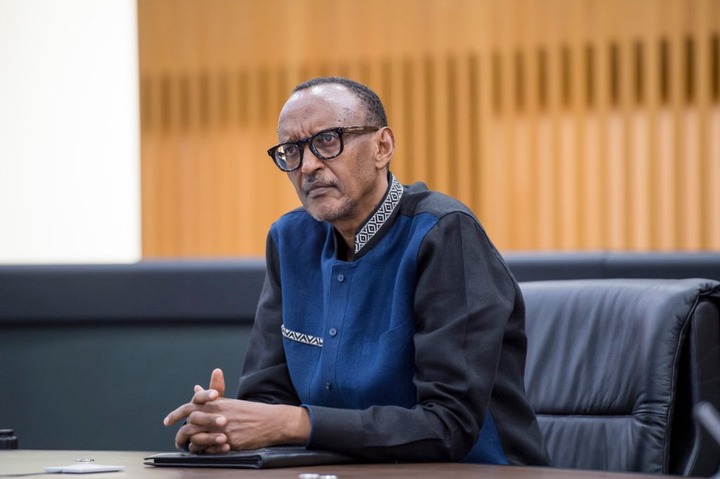
    Rwandan President Paul Kagame has issued a powerful call to Africans to reject the indignities and disrespect they often face from foreign entities, urging a collective awakening rooted in self-respect and self-worth.

    Speaking during a national address on Saturday, Kagame decried what he described as the widespread perception that Africans cannot think and act for themselves.

    “Many people think we are dumb, we cannot think and to act upon what we think and what we must do,” he said, pointing to the daily experience of disregard and condescension that Africans endure.

    Kagame was quick to temper his criticism of foreign actors with a candid challenge to Africans, suggesting that the continued tolerance of disrespect is equally an internal failing.

    “I can’t quarrel with you just because you have been coming around and giving me lectures without blaming myself for committedly listening to you and going by what you are telling me,” he said, questioning why Africans have allowed themselves to be instructed on what is right, as though righteousness can only be affirmed through external validation.

    “The kind of disrespect that people – Rwandans, Africans – experience daily is staggering,” he said.

    Kagame’s words resonate beyond Rwanda, speaking to a deeper, historical wound stretching back to colonial times when foreign powers not only seized African land and resources but also implanted narratives of inferiority.

    These narratives did not vanish with independence; they merely evolved into subtler forms of control.

    In the post-colonial era, African countries find themselves shackled by strict economic policies crafted in Western capitals.

    Foreign aid, often lauded as benevolent support, has frequently come with stringent conditions that compromise sovereignty.

    Institutions like the International Monetary Fund and the World Bank have been known to impose structural adjustment programmes that force governments to cut social spending, liberalise markets and implement reforms that sometimes clash with domestic priorities.

    This conditionality, wrapped in the language of governance and accountability, has created a dynamic where African countries are routinely compelled to earn the goodwill of donors before receiving aid.

    The net effect has often been the reinforcement of dependency and a weakening of local initiative, a pattern Kagame clearly rejects.

    Nowhere has the price of defying foreign orders been more evident than in the case of Zimbabwe.

    Following its controversial land redistribution programme in the early 2000s, which sought to address colonial-era land inequalities, Zimbabwe faced crippling sanctions from Western nations.

    The United States passed the Zimbabwe Democracy and Economic Recovery Act (ZIDERA), while the European Union imposed targeted measures against top officials.

    Multilateral lenders froze funding and support, triggering an economic crisis that ravaged ordinary citizens.

    Despite these consequences, Zimbabwean authorities have continued to assert their right to determine their own path.

    President Emmerson Mnangagwa’s government recently claimed that the country’s GDP had doubled since 2018, a declaration of resilience in the face of prolonged isolation.

    The Southern African Development Community (SADC) and the African Union have also consistently condemned the sanctions, arguing that they are punitive and undermine regional economic integration.

    President Kagame’s critique, therefore, goes beyond rhetorical defiance.

    It challenges a long-standing pattern where Africans have internalised the notion that external validation is necessary for progress.

    “And it’s as if we are going to do what is right because we have been instructed to do so. You Africans, you must be having problems accepting that for years.”

    Kagame does not excuse the legacy of manipulation and marginalisation, but he insists that the power to reverse it lies within.

    The failure, he implies, is not simply in how the world treats Africa, but in how Africa permits itself to be treated.

    By placing responsibility squarely on both the sender and the receiver, Kagame called for a new kind of self-awareness, one that refuses to be defined by history or external expectation, but instead by the continent’s own deliberate choices.

    In Kagame’s view, reclaiming dignity is not an abstract aspiration but a practical and necessary stance.

    It begins with rejecting the daily rituals of belittlement, refusing to be lectured without question, and asserting the capacity to choose what is right, not because it is prescribed from abroad, but because it aligns with African will and reason.

  • “Today Will Be Her Last Lie” Pastor Murders Wife During Sunday Service in Ghana

    “Today Will Be Her Last Lie” Pastor Murders Wife During Sunday Service in Ghana

    A peaceful Sunday morning at New Life Gospel Ministries in Accra, Ghana, turned into a nightmare that no one will ever forget. Church members had gathered for prayer and worship, but instead, they witnessed a horrifying tragedy that has shocked the entire nation.

    According to police reports, Pastor Peter Okello, aged 56, arrived at the church as he usually did, dressed in his religious robes. Unknown to the congregation, he was hiding two sharp knives beneath his attire. At first, everything appeared normal. Pastor Okello sat calmly at the front of the church, showing no signs of anger or distress. Then, without warning, he stood up and approached his wife, Pastor Grace Okello, who was a co-founder of the church.

    To the horror of everyone present, Pastor Okello drew the knives and began attacking his wife in front of the congregation. Worshippers screamed, cried, and scattered in panic. Grace was stabbed multiple times at the altar. Despite attempts by some members to intervene, it was too late—she died at the scene. Moments later, Peter turned the knife on himself, cutting his own throat and dying shortly after.

    The couple had been married for over 20 years and had built the church together. However, police investigations revealed ongoing conflicts between them, primarily centered around leadership roles in the church and disputes over property ownership. A note found at the scene, believed to be written by Pastor Okello, accused his wife of betrayal and declared that today would be the last day of her deceit.

    The bodies of both Pastor Peter and Pastor Grace Okello were taken to Korle Bu Teaching Hospital in Accra for postmortem examinations as police continue their investigations. The church has been sealed off while forensic experts collect evidence.

    This tragic incident has left Ghanaians in disbelief. It has sparked widespread discussions about domestic violence, particularly among religious leaders and couples. Religious leaders in Accra have condemned the act and are encouraging couples facing relationship challenges to seek help rather than resorting to violence.

    For the members of New Life Gospel Ministries, what was meant to be a sacred Sunday service will forever be remembered as the day their church became a crime scene. This tragedy serves as a stark reminder of the importance of mental health support, open communication in relationships, and effective conflict resolution. When pain, anger, and misunderstandings are left unaddressed, the consequences can be devastating.

  • ‘Drama at Wedding as Groom Collapses After Bride Reveals She has 4 Children With Different Men

    ‘Drama at Wedding as Groom Collapses After Bride Reveals She has 4 Children With Different Men

    A shocking event happened during a wedding in Nyansiongo ward, Borabu Constituency, Kisii County. The groom, Omwenga, fainted after his bride shared a big secret during their wedding ceremony.

    The wedding took place in a local Pentecostal church, with many guests watching. Everything was going well until the bride spoke during her vows. In an emotional moment, she told Omwenga she had four boys from a past relationship, aged between four and twelve years old. This was news to Omwenga, who didn’t know about her children.

    The groom looked stunned and confused. Suddenly, he fainted, falling to the ground in front of everyone. The guests, family, and church leaders rushed to help him. People were worried, and the church became chaotic as they tried to wake him up.

    After a few minutes, Omwenga opened his eyes but was still upset. He asked to stop the wedding because he needed time to think about what he just learned. The bride stood quietly, looking shaken by what had happened.

    The guests had mixed feelings. Some felt sorry for Omwenga, saying the bride should have told him about her kids earlier. They thought it was unfair to share such big news at the altar. “You don’t hide something like that until the wedding day,” one guest said. “Trust is important in marriage, and this could hurt their relationship.”

    Others supported the bride. They said she might have been scared to tell Omwenga earlier because she didn’t want to lose him. “Maybe she thought he wouldn’t marry her if he knew about her kids,” a friend said. “It’s hard to share something so personal.” These people felt the bride meant well by being honest, even if she chose a bad time.

    The incident got people talking about trust and honesty in relationships. Many said couples should talk about important things, like having children, long before getting married. Some wondered if the bride felt pressured to keep her secret because she was afraid of being judged.

    When the wedding stopped, everyone left the church feeling unsure about what would happen next. No one knew if Omwenga and his bride would still get married or if this news would end their relationship. The bride’s four boys, who weren’t at the wedding, now became a big part of the couple’s future. People wondered if Omwenga would accept being a stepfather or if the shock was too much for him.

    The story spread quickly in Nyansiongo, and it made people think about how important it is to be open in relationships. Love is strong, but secrets can cause problems, especially when they come out at the wrong time. The couple’s future is unclear, but their story has already touched many people in the community.

    This event at the small church shows how one moment can change everything. It reminds everyone that being honest, even when it’s hard, is the best way to build a strong marriage. Whether Omwenga and his bride can move forward together is still unknown, but their story will stay with the community for a long time.

  • British Army Opens Doors to Ugandans, Offers Them Jobs With Salaries Up to Sh25 Million Monthly, Here is How to Join

    British Army Opens Doors to Ugandans, Offers Them Jobs With Salaries Up to Sh25 Million Monthly, Here is How to Join

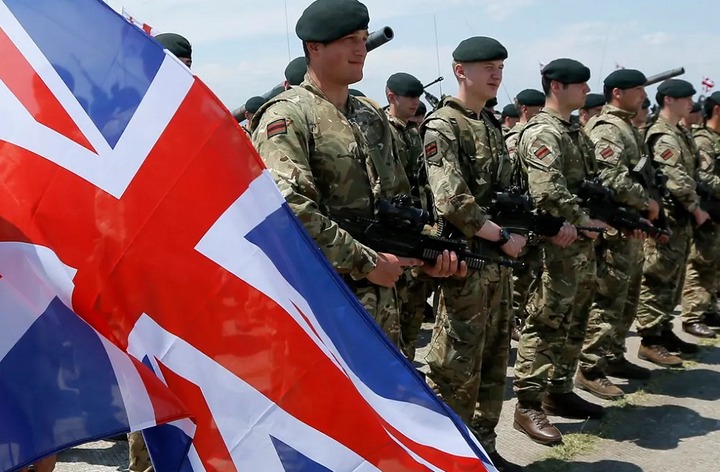
    Thousands of young Ugandans struggling with unemployment and low-paying jobs may now have a rare and life-changing opportunity abroad. The British Army is currently recruiting foreign nationals, and Ugandans are among those encouraged to apply. For many, this could mean a chance to escape poverty, support their families, and even begin a journey toward becoming UK citizens.

    The British Army is widely respected for its discipline, structure, and professionalism. It has long been one of the most organized and well-equipped military forces in the world. Now, it is opening its doors to individuals from Commonwealth nations, and Uganda is firmly on that list. For Ugandan youth facing a highly competitive and limited job market, this opportunity comes as a breath of fresh air.

    Successful applicants can earn a salary far higher than what most Ugandans ever expect to make within the country. Entry-level soldiers, known as privates, can take home the equivalent of approximately ten million Ugandan shillings per month. As they rise through the ranks, the salaries increase significantly, with senior officers reportedly earning up to twenty-five million shillings or more per month. Beyond the salary, the benefits package offered by the British Army is extensive and life-enhancing.

    To be eligible for recruitment, Ugandan candidates must first apply for a United Kingdom visitor visa. This visa is essential as it allows them to travel to the United Kingdom for up to six months. During this time, they can take part in the official recruitment process, which includes assessments and training. Applicants must provide proof that they can financially support themselves during their stay. They also need to show a valid return ticket and a fully completed visa application form. While obtaining the visa is not guaranteed, those who qualify and are determined have a real chance of moving forward.

    Once in the United Kingdom, applicants must pass several stages of evaluation. These include physical fitness tests, medical screenings, and mental aptitude exams. The process is rigorous and designed to ensure that only those who meet the British Army’s high standards are accepted. Those who succeed are granted an exemption stamp by the British Home Office. This stamp allows them to stay legally in the country, even after their visitor visa has expired, so long as they remain in service.

    In addition to the generous salaries, the British Army provides numerous support systems for its soldiers and their families. Recruits are entitled to free healthcare through the United Kingdom’s National Health Service. They also receive free housing, including accommodation for those with families. For those with children, there is access to free or subsidized education, ensuring that the next generation is given a better start in life. These benefits are designed to remove the financial stress that often burdens working families and to allow soldiers to focus entirely on their duties and personal development.

    After completing five years of active service, Ugandan soldiers become eligible to apply for British citizenship. This opens even more doors, including the right to live and work permanently in the United Kingdom, access to public services, and the ability to bring family members to join them through the Armed Forces visa scheme. For many, this could be the beginning of a new chapter that changes not just their own lives but also the lives of their families and future generations.

    The British Army also invests heavily in the professional growth of its recruits. Soldiers receive continuous training in technical skills, leadership, discipline, and teamwork. These skills are valuable both inside and outside the military. Upon completing their service, former soldiers are supported as they transition to civilian life, with career guidance and resources to help them start new careers in areas like security, engineering, logistics, and administration.

    However, with any great opportunity comes the risk of exploitation. Migration experts are warning Ugandan youth to be vigilant and avoid falling into the hands of fake agents or con artists. There have already been reports of fraudulent schemes where individuals pretend to be recruitment officers or claim to have insider connections. According to Abraham Okello, a migration consultant based in Kampala, the safest and only recommended way to apply is through the official UK government website at gov.uk. He strongly cautions against using brokers or paying any fees to individuals who are not officially connected to the British Army or the UK Home Office.

    Okello also emphasized that this chance is not for everyone. It is specifically suited for young men and women who are physically fit, mentally disciplined, and fully prepared to commit to a life of military service. The army life comes with its own set of demands, responsibilities, and sacrifices, and only those who are ready for that challenge should consider applying.

    Despite the challenges, this recruitment drive presents a rare and promising option for many Ugandans. It offers not just a job, but a career with long-term stability, global experience, and the potential for legal residency in one of the world’s most developed nations. With proper preparation, the right attitude, and a focus on using only trusted sources, Ugandan youth can take full advantage of this opportunity.

    For those who have dreamed of a better future beyond borders, the British Army may be the gateway. It offers a chance to earn a respectable income, build an honorable career, support one’s family, and possibly settle abroad. It is a path that requires courage, discipline, and dedication—but for those who succeed, the rewards can be life-changing.