Blog

  • Why Sudhir Ruparelia Should Be Celebrated as a True Pan-Africanist

    Why Sudhir Ruparelia Should Be Celebrated as a True Pan-Africanist

    By Vensor Muhumuza

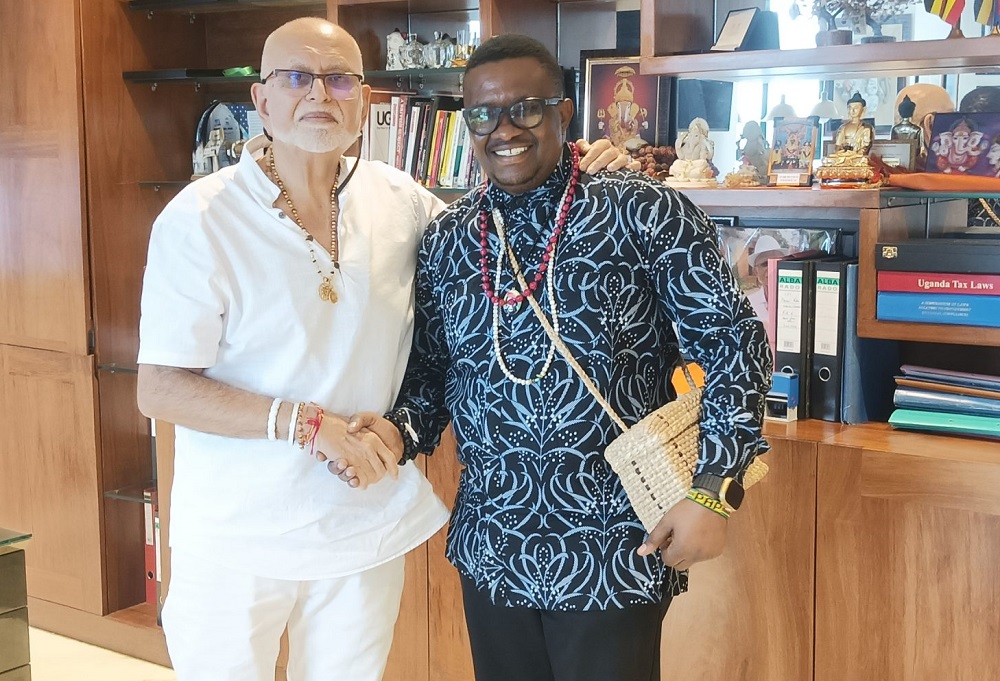
    Dr. Sudhir Ruparelia is one of Uganda’s most successful businessmen, but what makes him truly special is how he uses his wealth to help others. He is not only known for building a business empire, but also for supporting projects that bring Africans together and create a better future for the continent. His recent support for the 8th Pan African Pyramid (PAP) Global Awards 2025 shows once again why he deserves to be celebrated as a true Pan-Africanist.

    Dr. Ruparelia is sponsoring this year’s PAP Awards through his Ruparelia Foundation. The support was confirmed by Andrew Irumba Katusabe, the founder and chairman of PAP, who praised Dr. Ruparelia for always standing with the organization. “Yes, he called me and gave me a huge push with some good millions and other privileges,” Irumba said. “But remember, Dr. Sudhir is a Platinum Member — the highest level — and has been supporting us since we started. He has also helped our education programs, debates, and refugee projects.”

    The 2025 PAP Awards will be held on August 30 at the Fairway Hotel in Kampala. Dr. Ruparelia will attend as the Guest of Honor, and his support will help make this year’s event even more successful.

    A Businessman Who Believes in Africa

    Dr. Sudhir Ruparelia is known across East Africa for his success in banking, real estate, education, and hotels. But he is not just a businessman. He is also someone who believes in helping others. Through his foundation, he has supported schools, given scholarships, helped refugees, and invested in projects that give hope to young people.

    In 2024, Dr. Ruparelia was given a PAP Global Award for his work. He didn’t just receive the award and walk away. He came back in 2025 with even stronger support, proving that he truly believes in what PAP stands for — African unity, pride, and progress.

    What is the Pan African Pyramid?

    The Pan African Pyramid is a group that started in Kampala in 2014. Its goal is to bring back the spirit of Pan-Africanism — the belief that African countries should work together, support each other, and build a strong and united continent. Their slogan is “Don’t Agonize, Organize,” which means that instead of complaining, people should take action.

    Every week, PAP holds public debates, talks, and mentorship programs. These activities bring together students, young leaders, and professionals who want to see Africa move forward. The group also works on real-life problems by helping refugees and giving support to those in need.

    Over the years, PAP has grown into a big movement. It is now known in many parts of Africa and brings together important voices from across the continent and beyond.

    Celebrating African Heroes

    Since 2018, the PAP Global Awards have honored people and groups who are making a real difference in Africa. These awards are given to those who are helping others in areas like education, leadership, activism, and business. The goal is to show that Africa has its own heroes — people who work hard every day to improve their countries and communities.

    Dr. Ruparelia’s support for these awards helps the organizers reach more people, celebrate more heroes, and inspire more young Africans to believe in themselves. As the Guest of Honor at this year’s event, he is not just giving money. He is giving his name, his time, and his support to something bigger than himself.

    A Leader Africa Needs

    Africa needs leaders who care — not just about money or power, but about people. Dr. Sudhir Ruparelia is that kind of leader. He believes in building others up, creating opportunities, and showing the world that Africa has great potential.

    His continued support for PAP shows that he is not just interested in Uganda’s future, but in the future of the whole continent. He doesn’t talk about change — he supports it, funds it, and stands behind those who are working hard to make it happen.

    As we look forward to the 8th PAP Global Awards, it’s important to remember and celebrate the people behind the scenes who make these events possible. Dr. Sudhir Ruparelia is one of them. His actions prove that real Pan-Africanism is not just about words. It’s about giving, sharing, and building together.

    That’s why Sudhir Ruparelia should be seen not just as a businessman, but as a true Pan-Africanist. He believes in Africa, and he’s doing everything he can to help it rise.


  • Four Killed, 13 Injured as Busia–Tororo Road Crash Sends Car into River Malaba

    Four Killed, 13 Injured as Busia–Tororo Road Crash Sends Car into River Malaba

    Four people have died and 13 others were injured in a road accident at Amungura Bridge along the Busia–Tororo Road early Tuesday morning.

    The crash happened at around 6:40am when a vehicle, registration number UA 889AM, hit a pedestrian who was attempting to cross the road.

    According to police spokesperson SP Kananura Michael, the driver was speeding at th time of the incident.

    “Preliminary investigations indicate that the driver knocked down and killed a pedestrian, then lost control, veered off the road, struck the bridge and plunged into River Malaba below,” Kananura said.

    Three passengers in the vehicle died on the spot, in addition to the pedestrian. Thirteen others, including the driver, sustained injuries.

    All the injured were rushed to Tororo Hospital for treatment, while the bodies of the deceased were taken to the same hospital’s mortuary for postmortem.

    The wreckage has been towed to Busia Police Station as investigations continue into the cause of the crash. Authorities believe excessive speed played a key role in the tragedy.

    SP Kananura urged motorists to strictly observe speed limits and exercise caution, especially in busy areas where pedestrians are crossing.

    “Yield to pedestrians. A little patience can save lives,” he stressed.

  • SAD: How a Senior Four Student Met His Untimely Death in Mbale

    SAD: How a Senior Four Student Met His Untimely Death in Mbale

    The people of Mbale City were left in shock after a Senior Four student was killed on Monday evening in what appears to be a case of school gang violence.

    The student, Sharik Wasike, was studying at Mbale High School. According to the police, he was stabbed by an unknown person who quickly ran away after the attack. The sad incident happened suddenly, and no one has been arrested yet.

    Police believe that this killing might be connected to ongoing rivalries between students from three schools in the area: Mbale High School, Nkoma Secondary School, and Mbale SS. These rivalries may have turned violent, leading to this tragic loss of life.

    After the attack, Sharik’s body was taken to Mbale City Mortuary for a postmortem. Investigations are still going on to find out who committed the crime and why. The police are asking anyone with information to come forward and help them catch the person responsible.

    This sad event has brought a lot of fear and anger among parents, teachers, and students. Many people are now calling on school authorities and government leaders to act quickly. They want better security in schools and more guidance for students to stop such violence from happening again.

    Police have also warned that they will take strong action against student gangs and anyone involved in causing trouble in schools. They say it is important to keep schools safe for learning and to protect all students.

    This is still a developing story, and we hope justice will be served for Sharik and his family.

  • SHOCKING! Over UGX 10 Billion in Passports Set for Destruction — Find Out Why

    SHOCKING! Over UGX 10 Billion in Passports Set for Destruction — Find Out Why

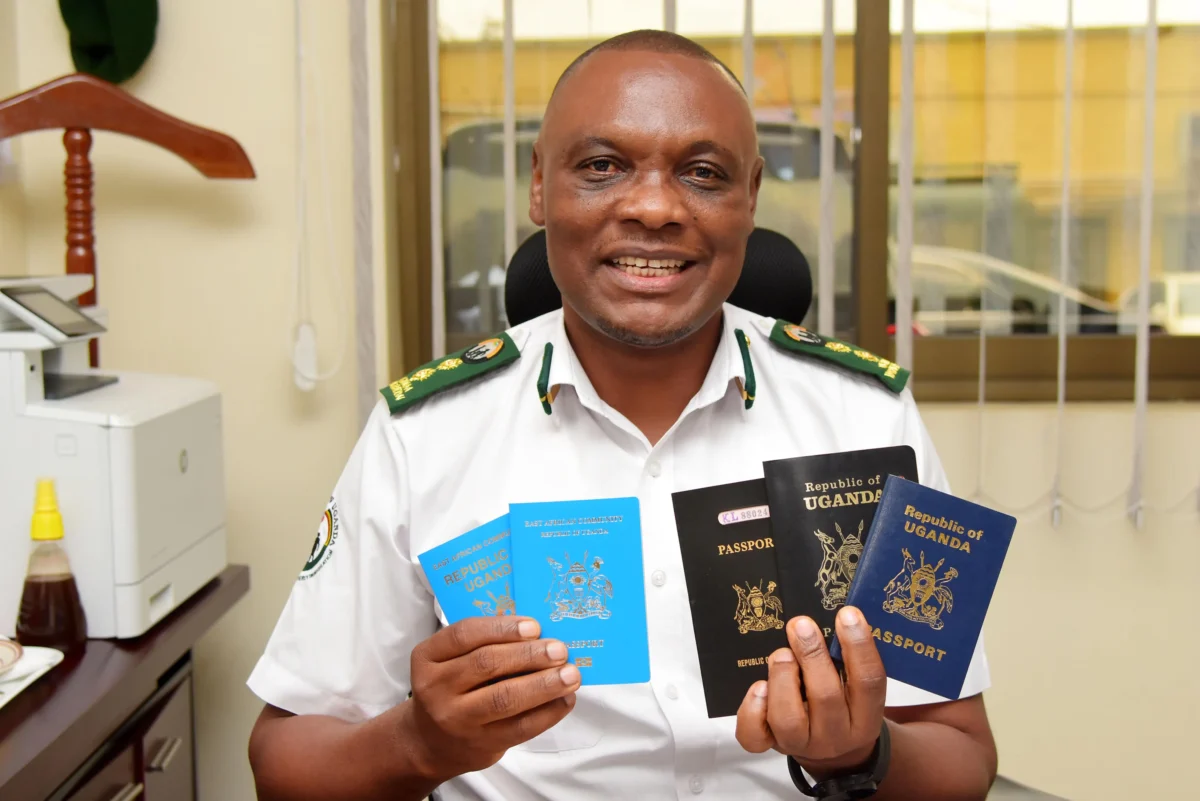
    The Directorate of Citizenship and Immigration Control (DCIC), under the Ministry of Internal Affairs, has announced plans to destroy more than 42,000 unclaimed passports, citing prolonged abandonment and logistical constraints in storage.

    The passports, valued at approximately Shs10.5 billion, have remained uncollected by applicants for months, despite several attempts by the directorate to reach out to their owners through SMS reminders.

    Speaking to journalists on Monday, Ministry of Internal Affairs spokesperson Mr. Simon Peter Mundeyi said this is not the first time the directorate is taking such action. He revealed that last year, over 62,000 passports worth Shs15.5 billion were similarly destroyed after sitting unclaimed for an extended period.

    “Despite repeated SMS reminders, many Ugandans do not return to collect their passports,” Mr. Mundeyi said. “We are now sitting on another 42,000 unclaimed passports and are left with no choice but to dispose of them. We urge applicants to come and collect them before we proceed with destruction.”

    The vast majority of the passports, over 97 percent, are ordinary travel documents, each costing Shs250,000. The remaining few include service and diplomatic passports, which are issued to specific categories of individuals under government or official duties.

    Mr. Mundeyi attributed the large number of unclaimed documents to multiple factors, including misleading promises made to Ugandan job seekers by both genuine and fraudulent labour recruitment agencies. He noted that many passport applicants were enticed with the prospect of job placements abroad, especially in Gulf countries.

    However, a significant drop in follow-through occurred after Saudi Arabia, one of the top destinations for Ugandan migrant workers, temporarily suspended labour recruitment from Uganda. The suspension, announced last year, aimed to curb rising cases of human trafficking and to streamline recruitment practices, which had become increasingly riddled with irregularities.

    “After the Saudi suspension, many applicants simply abandoned the process. They had obtained passports in anticipation of travel, but with the job offers falling through, they lost interest in collecting the documents,” Mundeyi explained.

    The DCIC has since been grappling with a growing backlog in passport storage, which not only creates logistical pressure on facilities but also poses a financial loss to the government.

    Mr. Mundeyi encouraged citizens who applied for passports to follow up on their applications through the online tracking system or by visiting passport issuance centres in Kampala and regional offices.

    “If you applied and completed the process, check your status. The passport may already be waiting for you,” he said.

    The DCIC has not disclosed an exact date for the planned destruction exercise but maintains that the process will commence soon unless the documents are claimed.

    The warning comes amid broader efforts by the Ministry of Internal Affairs to streamline the passport issuance process, which has in recent years undergone digitization to reduce congestion and speed up processing.

    As Uganda prepares for increased labour migration once bilateral agreements resume, authorities are urging applicants to take passport collection seriously to avoid avoidable losses and delays.

    Source: UG Exclusive

  • Catholic Priest Resigns Priesthood After Falling in Love

    Catholic Priest Resigns Priesthood After Falling in Love

    A Catholic priest in Ghana has resigned from his position after falling in love, sparking discussions about love, duty, and the challenges of celibacy within the Catholic Church. Father Joseph Mensah, a 45-year-old priest from the Archdiocese of Accra, stepped down from his role at St. Mary’s Parish in Tema, citing personal reasons for his departure.

    According to sources close to the church, Father Mensah recently developed a romantic relationship with a woman named Abena Owusu, a 38-year-old schoolteacher and active member of the parish. The relationship, which began as a friendship during community outreach programs, grew over time, leading Father Mensah to question his commitment to the priesthood and its vow of celibacy. In a statement released through the Archdiocese, Father Mensah expressed his decision to leave the priesthood to pursue a life with Ms. Owusu, stating that he wished to live openly and honestly.

    Father Mensah, who was ordained in 2005, was known for his dedication to his congregation, particularly in organizing youth programs and charity initiatives in Tema. His resignation has surprised many in the community, with parishioners expressing mixed feelings of sadness and support. “Father Joseph was a kind and inspiring leader,” said Agnes Boateng, a parishioner at St. Mary’s. “We are sad to see him go, but we wish him happiness in his new path.”

    The Archdiocese of Accra confirmed that the Vatican accepted Father Mensah’s resignation after discussions with church officials. The Catholic Church requires priests to take a vow of celibacy, a commitment to abstain from marriage and romantic relationships to focus on their spiritual duties. However, Father Mensah’s decision to step down reflects a personal choice to prioritize his relationship over his priestly vows.

    This event has reignited conversations in Ghana about the role of celibacy in the Catholic Church. Some community members argue that the vow of celibacy can place significant emotional burdens on priests, while others maintain that it is a vital part of the priesthood’s spiritual discipline. Reverend Father Paul Amoako, a spokesperson for the Archdiocese, emphasized the importance of supporting clergy in their personal and spiritual journeys. “We respect Father Mensah’s decision and pray for his continued growth in faith and life,” he said.

    Abena Owusu, a respected teacher known for her work in local schools, has not publicly commented on the matter. Sources say the couple plans to settle in Accra and is considering a future together, possibly including marriage. Father Mensah is reportedly seeking employment outside the church, leveraging his experience in community work and education.

    The resignation has drawn attention on social media, with posts on X reflecting a range of opinions. Some users expressed amusement, with one post joking that “a woman called him back from God’s call,” while others praised Father Mensah for his honesty in stepping down rather than living a double life.

    This incident follows other global cases where clergy have left their roles for love, prompting broader discussions about the expectations placed on religious leaders. In Ghana, a country with a strong Christian community, Father Mensah’s story has touched many, highlighting the human side of those who serve the church.

    As St. Mary’s Parish prepares to welcome a new priest, the community continues to reflect on Father Mensah’s contributions and the lessons from his departure. His story serves as a reminder that love and faith can sometimes lead to difficult but honest choices, sparking hope for open dialogue about personal and spiritual fulfillment.

  • 17-Year-Old Arrested for Kidnapping Toddler, Demanding UGX 30 Million Ransom

    17-Year-Old Arrested for Kidnapping Toddler, Demanding UGX 30 Million Ransom

    Uganda Police have arrested Amani Jasteri, a 17-year-old male, in connection with the kidnapping of a two-and-a-half-year-old child.

    The minor was abducted last week, and the suspect demanded a ransom of UGX 30 million from the child’s family.

    Police Spokesperson ACP Rusoke Kituuma confirmed the arrest, noting that the operation was made possible through coordinated efforts between law enforcement and local informants.

    Jasteri was traced and captured as he attempted to cross the child into the Democratic Republic of Congo.

    “Our officers acted swiftly upon receiving intelligence about the suspect’s movements,” said Kituuma.

    “The child was safely rescued, and the suspect is now in custody pending further investigations.”

    The incident has sparked public concern over the growing trend of kidnappings for ransom, particularly involving young victims. Authorities are urging parents to remain vigilant and report suspicious activity immediately.

    Jasteri, who hails from Mujore Village in Bunagana Parish, DRC, is expected to face charges related to child abduction and extortion.

    Police have assured the public that investigations are ongoing and any accomplices will also be brought to justice.

    The rescued child has since been reunited with their family and is reported to be in good health.

  • “We’re Not Hopeless, Stop Waiting to Be Saved” Kagame Tells Africans to Take Charge of Their Destiny

    “We’re Not Hopeless, Stop Waiting to Be Saved” Kagame Tells Africans to Take Charge of Their Destiny

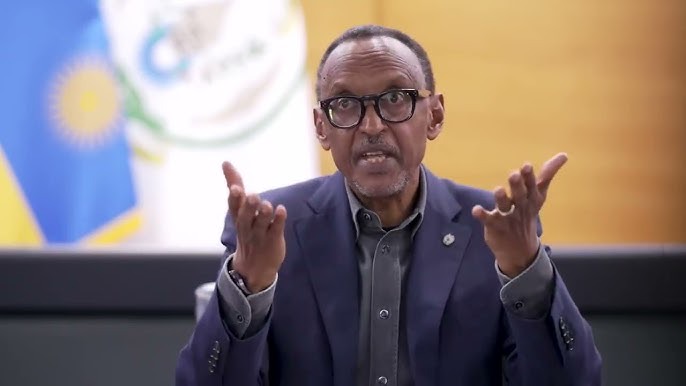
    Rwandan President Paul Kagame has delivered a powerful message urging Africans to drop their dependency on foreign aid and take full charge of their development.

    While speaking during the swearing-in ceremony of new Cabinet and government officials in Kigali, Kagame condemned what he described as the dangerous and limiting “savior mentality” among African nations.

    “There are those who have given up—resigned to the idea that Rwandans, and Africans, are destined to remain poor, divided, and forever waiting for someone to come and save us,” Kagame remarked.

    He emphasized that international partnerships only become meaningful when African countries are already moving with purpose and determination.

    Kagame clarified that his comments were not about spiritual salvation but rather about political and economic partnerships where outsiders are wrongly expected to “lift us out” of our challenges.

    “This ‘savior mentality’ is one of the biggest problems we must uproot from our society,” he said, urging both leaders and citizens to recognize their own power and potential.

    According to Kagame, foreign support should never replace African initiative. Instead, he called on governments to harness local talent, resources, and innovation.

    “We must start with ourselves, with what we are capable of. And we must do it to the best of our ability, clearly knowing where we come from and where we want to go,” Kagame said, his tone firm and deliberate.

    He further warned that many external actors are not truly invested in Africa’s rise. “You can be supported, but that only matters if you’re already on the path to where you want to go.

    They will not pick you up and carry you there. In fact, they don’t even want to. And if you didn’t know, let me tell you now: they benefit from keeping you where you are.”

    Kagame’s remarks come at a time when donor fatigue, stalled reforms, and rising debt have left many African economies vulnerable. His call is likely to resonate across the continent, especially among young Africans and leaders pushing for self-reliance.

    The Rwandan president has long been an advocate of African solutions for African problems, and his recent speech reinforces his government’s focus on dignity, accountability, and sustainable development from within.

  • 75-Year-Old Widow Graduates with Master’s in Public Health from KIU

    75-Year-Old Widow Graduates with Master’s in Public Health from KIU

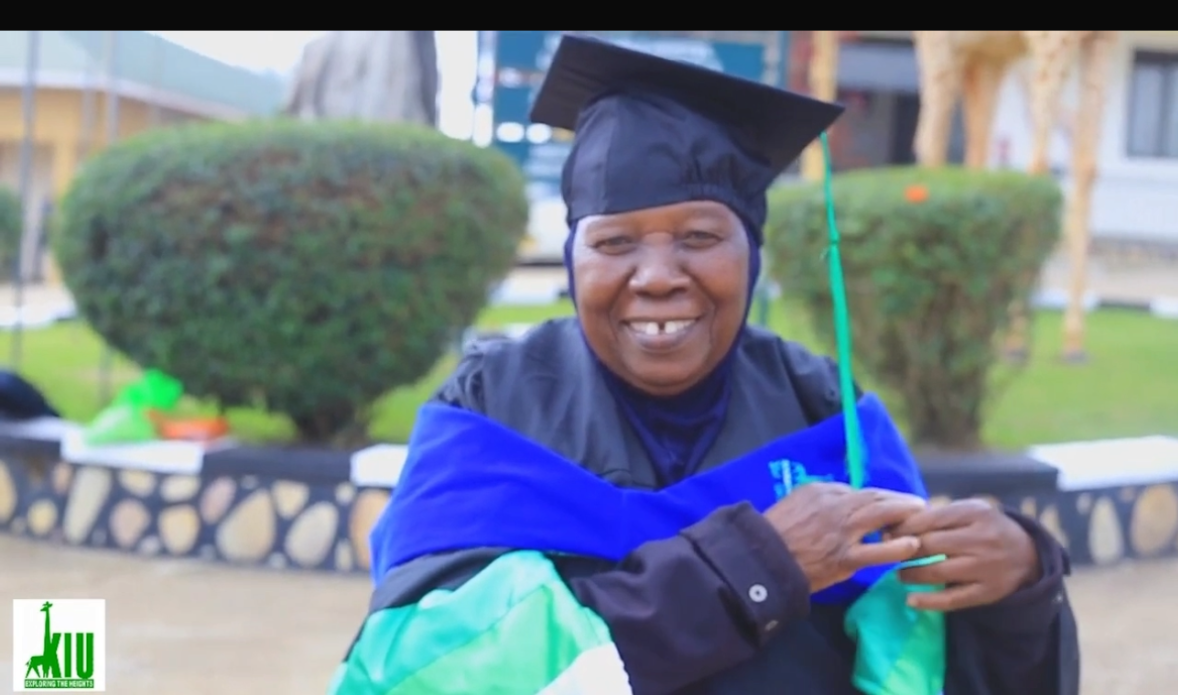
    Betty Irumba, a 75-year-old widow and mother of three, showed incredible determination by earning a Master’s Degree in Public Health from Kampala International University (KIU). She graduated during the university’s 31st ceremony on July 26, 2025, at the Western Campus in Ishaka. Her achievement amazed the university community and many others because of her age and the challenges she faced.

    Betty comes from Hoima District. She worked with women’s organizations for most of her life, which made the Master’s in Public Health program very appealing to her. She already had a Higher Diploma from Kyambogo University and a bachelor’s degree in Chemistry. Still, she decided to return to school to study a subject she believes can help communities, especially women.

    She chose KIU because it was close to her workplace and offered a weekend program that fit her work schedule. However, her journey was not easy. Paying tuition with her salary was difficult, and things got harder during the COVID-19 pandemic when she became very sick. Her sons and sisters helped her recover, and she was grateful for their support.

    Despite these challenges, Betty continued her studies. Her graduation on July 26 was a proud moment for her and a historic event for KIU’s Western Campus, as she became one of its oldest graduates. She felt excited and thankful to be among the first to graduate from the campus.

    The Vice Chancellor of KIU, Dr. Eric Mabonga, praised her accomplishment during the ceremony, noting that Betty, a 75-year-old widow and mother of three, earned her Master’s in Public Health. Her story spread widely, inspiring people across the country and starting discussions about lifelong learning, gender equality, and community health.

    Betty’s graduation alongside hundreds of others shows her strength and serves as a reminder that it’s never too late to follow your dreams.

  • Uganda to Scrap Shs1,000 and Shs2,000 Notes? BoU Weighs Coin Switch

    Uganda to Scrap Shs1,000 and Shs2,000 Notes? BoU Weighs Coin Switch

    The Bank of Uganda (BoU) has revealed it is conducting a comprehensive cost-benefit analysis on the potential replacement of low-denomination banknotes with coins.

    This development, which has been shared with officials from the International Monetary Fund (IMF), is part of a broader initiative by the central bank to enhance the efficiency of currency management in the country.

    In a statement, BoU noted that small-denomination notes, such as the Shs 1,000 and Shs 2,000, are subject to rapid wear and tear due to frequent handling in everyday transactions. The central bank says this high rate of degradation leads to substantial replacement costs that continue to strain Uganda’s currency printing budget.

    “Notes in lower denominations have a very short circulation life, sometimes lasting just a few months before becoming unusable,” a source familiar with the matter noted. “This means we are constantly reprinting them, and that cost adds up.”

    In contrast, coins are more durable and can remain in circulation for decades without needing replacement. According to central bank analysts, although the initial minting of coins may appear more expensive than printing paper money, the long-term benefits in terms of durability and reduced recurrent costs make them a viable alternative.

    The central bank is, therefore, weighing the financial and logistical implications of the transition, including public acceptance, production costs, and distribution efficiency.

    If adopted, the move would align Uganda with several countries in the region and globally that have already transitioned to coins for lower denominations. Notably, coins are already in use for denominations such as Shs100, Shs200, and Shs500.

    BoU officials emphasized that the decision is still under review, and public consultations and stakeholder engagement will play a significant role in finalizing the shift.

    “Public awareness and cooperation will be crucial if we are to implement this successfully,” the official added.

  • Police Officer Commits Suicide After Suffering Depression Following Son’s Death While On School Trip

    Police Officer Commits Suicide After Suffering Depression Following Son’s Death While On School Trip

    The family of Police Constable Harrison Mugo is asking the Kenyan government for money and support to help them after his sad death. Mugo, who worked at Buruburu Police Station in Nairobi, died by suicide after a meeting with his bosses at the National Police Service (NPS).

    Mugo, who was 38 years old, had been very sad for three years since his son, Samuel, died in a car accident during a school trip to Nanyuki in 2022. The loss of his 12-year-old son broke his heart, and he struggled to cope.

    Judy Wambui, Mugo’s wife, said her husband was never the same after Samuel’s death. “He would come home and talk about our son—how he loved football and wanted to be a pilot,” she said. Mugo started drinking alcohol to deal with his pain, which worried his friends at work. They tried to help him by suggesting he talk to someone about his feelings, but the sadness was too much, and he ended his life at the police station.

    Now, Wambui is facing big problems. She has two children, ages 10 and 15, to take care of, but she’s been told she can’t get her husband’s pension because he died by suicide. Wambui, who works part-time sewing clothes, says it’s hard to pay for things like food, rent, and school fees. “Harrison worked hard for Kenya,” she said. “He was hurting, but he still did his job. Why can’t we get help now?”

    The family’s struggle has made people question how the NPS supports its officers. Many say police officers need better help for their mental health. “Officers deal with tough things every day—crime, long hours, and personal problems,” said Dr. Miriam Kaniaru, a counselor in Nairobi. “If we don’t help them with their feelings, more families will suffer like Mugo’s.”

    Wambui wants the government to change its rules. She thinks families of officers who die, even by suicide, should get money to help them. She also suggested a special fund to support police families in tough times. “My kids lost their dad, and now we’re losing our home,” she said. “This isn’t fair. Other police families shouldn’t go through this.”

    People on social media are supporting the family, using #JusticeForMugo to share their thoughts. Many Kenyans are upset and want the NPS to do more. “Police officers are people too,” said Peter Ng’ang’a, a community leader. “They need help, not judgment.”

    The NPS has not said much about Mugo’s case or the family’s requests. Some say they are talking about improving mental health help for officers, but nothing has changed yet. For now, Wambui and her kids depend on help from friends and neighbors to pay for basic needs.

    The family’s lawyer, Mercy Kamau, is working to ask the government to look at Mugo’s case again. She believes his death was connected to the stress of his job and should be treated as a work-related loss. “This is a sad story, but it can lead to change,” Kamau said. “We want a system that cares for police officers and their families.”

    Mugo’s death has shown that the NPS needs better ways to help officers with their mental health and support their families. Wambui hopes her family’s pain will push the government to make things better for others.