Blog

  • How Much Does the Apple iPhone 17 Cost in Uganda?

    How Much Does the Apple iPhone 17 Cost in Uganda?

    Apple has officially released the iPhone 17 lineup, and excitement has spread across the world, including Uganda. The new models, unveiled in September 2025, include the iPhone 17, iPhone 17 Air, iPhone 17 Pro, and iPhone 17 Pro Max. With faster processors, improved cameras, and new designs, they are among the most powerful smartphones Apple has ever built. But for Ugandan buyers, the most pressing question is the price.

    When Apple announced the iPhone 17 in the United States and Europe, the base model started at about 799 dollars. The slimmer iPhone 17 Air was priced closer to 999 dollars. The Pro and Pro Max versions, which carry Apple’s most advanced features, were launched at around 1,319 euros, or about 1,350 dollars. These international prices already showed that the iPhone 17 would be slightly more expensive than the iPhone 16 series, with Apple raising prices by around 50 dollars across most models.

    In Uganda, the price is higher because of taxes, import duties, and other costs. Early listings on local platforms give us an idea of what buyers should expect. MobileKiShop has listed the iPhone 17 Pro Max at just over 4.4 million shillings, while Mobile57.com shows the standard iPhone 17 at around 4 million shillings. Authorized Apple resellers such as Apple Shop Uganda and Apple Center Uganda usually set their prices in the range of 4 to 7 million shillings for new iPhones, depending on the model and storage.

    This means that Ugandans who want the new iPhone 17 will likely pay about 4 million shillings for the standard model. The iPhone 17 Air and the iPhone 17 Pro could sell between 4.5 and 5 million shillings, while the iPhone 17 Pro Max may cost anywhere from 5.5 to 6 million shillings, especially for higher storage versions.

    The iPhone 17 is not only about price. Apple has packed the new phones with some of its most advanced technology. The base model has a 6.3-inch Super Retina XDR OLED display and runs on the powerful new A19 chip, making it faster and more efficient than previous iPhones. The cameras have been upgraded to 48 megapixels, giving sharper photos and better video. The iPhone 17 Air, which Apple described as its slimmest iPhone ever, is made from titanium and measures just 5.6 millimeters thick. Despite its thin frame, it still offers strong performance and the same A19 chip as the base model.

    The Pro and Pro Max versions are the real powerhouses. They use the A19 Pro chip and feature advanced vapor-chamber cooling to keep performance stable during heavy use, such as gaming or video editing. Their triple 48-megapixel Fusion camera system allows for up to 8x optical zoom, making them some of the best camera phones on the market. The Pro Max also has the largest screen and battery in the lineup, making it the top choice for power users.

    Even with these improvements, the high price is a challenge for many buyers in Uganda. Import duties, shipping costs, and exchange rate changes all contribute to pushing the price higher than in the United States or Europe. Retailers also add their own margins, which is why Ugandans often pay almost double the American launch price.

    Still, the iPhone 17 is expected to sell well. In Uganda, owning the latest iPhone is more than just having a phone. For many, it is a status symbol and a sign of success. It is also a tool that supports business, creativity, and communication in an increasingly digital world.

    For now, Ugandans looking to buy the iPhone 17 should prepare to spend at least 4 million shillings for the base version, with the price climbing higher for the Air, Pro, and Pro Max models. Those who want the most advanced features, including the powerful cameras and extra storage, will need to budget closer to 6 million shillings.

    The arrival of the iPhone 17 in Uganda will once again test the willingness of buyers to pay premium prices for cutting-edge technology. Despite the cost, many Ugandans are ready to make the investment to be among the first to own Apple’s newest smartphone.
  • Man Wakes Up in Mortuary After Being Declared Dead, Later Dies on His Way to Another Hospital

    Man Wakes Up in Mortuary After Being Declared Dead, Later Dies on His Way to Another Hospital

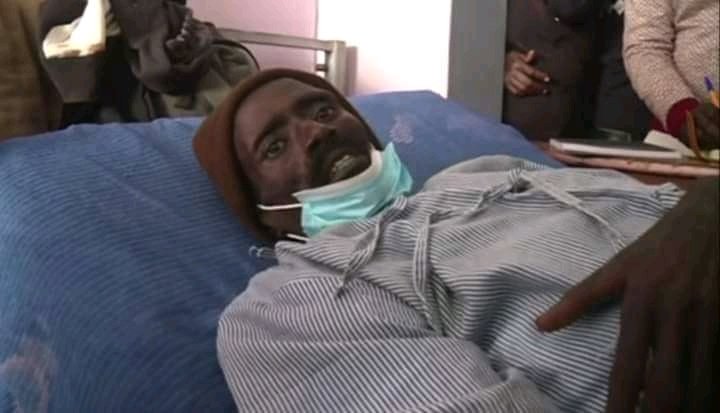
    Kericho, Kenya – Shock and disbelief swept through Kericho County after a 32-year-old man who had been declared dead suddenly woke up inside a mortuary, only to die later on his way to another hospital.

    The man, Peter Kiplangat Kigen, collapsed at his home and was rushed to Kapkatet Hospital. Doctors there said he had died, and his body was quickly taken to the mortuary.

    When mortuary attendants began preparing his body for embalming, one of them made a cut on his right leg to inject formalin. To everyone’s shock, Kigen cried out in pain and moved. Staff immediately stopped what they were doing and rushed him back to the casualty ward.

    Witnesses described scenes of confusion as hospital workers and family members realized Kigen was still alive. Relatives who had already started mourning were stunned by the news. For a short while, there was hope that he would recover.

    He was later placed in an ambulance to be transferred to Kericho County Referral Hospital for more treatment. Sadly, he died before he arrived.

    The story quickly spread across Kenya and international media, drawing attention to the hospital’s mistake. Kigen’s family said they were heartbroken and blamed the hospital for not confirming his condition properly before moving him to the mortuary.

    Health experts say such cases are rare but point out that hospitals must take extra care when confirming deaths. They warn that proper checks are critical to avoid errors that cause pain to families and damage trust in the health system.

    Kigen’s case has now sparked calls for better training and stricter rules in hospitals across Kenya to prevent similar tragedies in the future.

  • Big Joy! Museveni Orders Salary Increment From LC 1 To District Officials

    Big Joy! Museveni Orders Salary Increment From LC 1 To District Officials

    Local government political leaders are set for a salary increase starting in the 2026/27 financial year, following a directive from President Yoweri Museveni.

    The Minister of Local Government, Hon. Raphael Magyezi, made the announcement while presenting a statement to Parliament on Tuesday, September 9, 2025. He was responding to a petition by the Uganda Local Governments Association (ULGA) and the Urban Authorities Association of Uganda (UAAU), who raised concerns about service delivery.

    “Appropriate facilitation and pay of duty bearers is a statutory obligation. Unfortunately, the local government political leaders across board are poorly paid and facilitated. We commend them for their patience, selfless service, and sacrifice to the country,” Magyezi told Parliament.

    He said he will present a Cabinet Paper on new pay structures for political leaders, starting with LC I chairpersons up to district and city leaders.

    Magyezi also outlined other government plans: Shs30 billion will be used for councillor induction next year, district chairpersons and mayors will get vehicles, critical vacancies will be filled, cities and municipalities will get road equipment, and physical planning grants will be increased to control unplanned urbanisation.

    He further confirmed that LC I and II elections will be harmonised with the 2026 general elections. Government subventions to ULGA and UAAU will be doubled to Shs600 million. He dismissed claims that service delivery in local governments is deteriorating.

    “The annual assessment of local governments by the Office of the Prime Minister and other bodies shows improvement in services, attributed to government programmes funded under appropriation by Parliament. The situation is promising, and the task ahead is to deepen decentralisation as a key policy of Government for service delivery and wealth creation,” Magyezi said.

    Speaker Anita Among, however, disagreed with his view. “In most districts you visit, classes are empty, there are no teachers, hospitals lack medics, and roads are in poor condition because they lack equipment,” she said.

    “Honourable Minister, what local government people are saying is an eye-opener. We should not sugarcoat it and say everything is okay. For us to reach the end user of PDM, the roads should be worked on. We must resolve it,” she added.

    Hon. Gilbert Olanya (FDC, Kilak South County) and Chairperson of the Public Accounts Committee – Local Government, raised concerns about road equipment. “Most equipment supplied works for less than a year and is now grounded. Many districts cannot afford repairs, and some regional offices hire out machinery to private contractors,” he said.

    Hon. Godfrey Onzima (NRM, Aringa North County) highlighted shortages in health and education staffing. “The whole health unit grade three had only two midwives. One was on study leave, the other on maternity leave. Women coming for delivery are just referred,” he said, warning that many schools also have very few teachers.

    Hon. Paul Omara (Indep., Otuke County) complained about declining funding. “Local government used to receive 15 percent of the total budget annually, but now it has dropped to 7 percent. More funding is needed rather than centralising revenue,” he said.

    The Minister of State for Finance, Planning and Economic Development (General Duties), Hon. Henry Musasizi, defended the policy of centralising revenue. “Many local governments understated revenue. All revenues must go to the consolidated fund. Local governments collect revenue on behalf of government,” he said.

    In closing, Magyezi said the root problem is underfunding. “At some time, 34 percent of the national budget went to local governments. We went down to 26, then 18, now 9 percent. You cannot decentralise 80 percent of responsibilities and give only 10 percent,” he said. He called for a gradual increase in funding.

    The Speaker agreed, saying: “Local government takes only 9.5 percent of the national budget. If we stood firm for increased funding, these issues would be resolved.”

  • Uganda Begins Training 1,800 Soldiers from Central African Republic

    Uganda Begins Training 1,800 Soldiers from Central African Republic

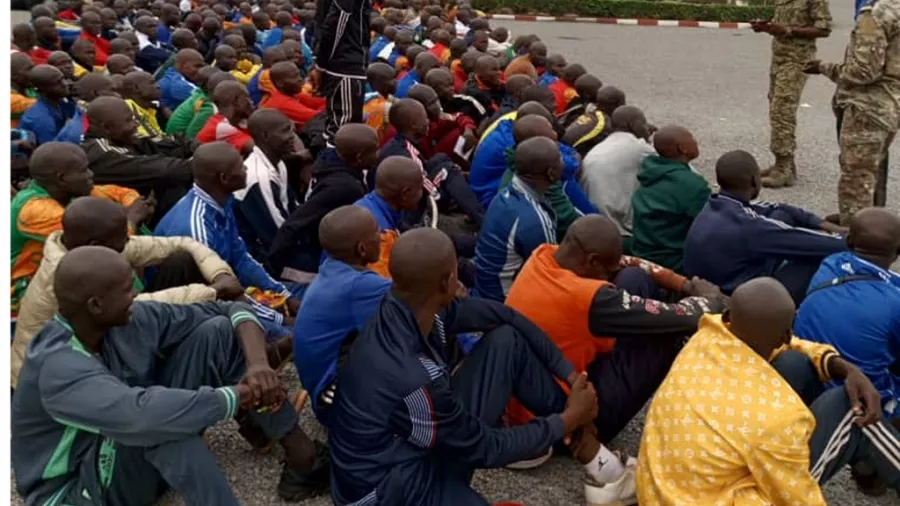
    KAMPALA | Xinhua | A total of 1,800 soldiers from the Central African Republic (CAR) have arrived in Uganda for military training as part of ongoing efforts to build the CAR army’s capacity, a Ugandan military spokesperson said Tuesday.

    Maj. Gen. Felix Kulayigye, Uganda’s military spokesperson, told Xinhua by telephone that the recruits will undergo intensive basic training and intelligence-gathering exercises over a period of nine to 12 months.

    He said the training program is part of a 2024 bilateral agreement aimed at professionalizing the CAR’s armed forces and strengthening their ability to combat insecurity, promote peace and enhance regional stability.

    “Yes, I can confirm the CAR troops are in the country. We are going to train CAR soldiers following the memorandum of understanding we signed with them last year,” Kulayigye said.

    Uganda maintains a strategic defense partnership with the CAR, particularly in efforts to combat the Lord’s Resistance Army, a Ugandan rebel group that has long operated in the country.

  • Ugandan Woman Dies in Saudi Arabia After Falling From Building While Fleeing Deportation

    Ugandan Woman Dies in Saudi Arabia After Falling From Building While Fleeing Deportation

    Saudi Arabia – A young woman identified as Namatovu Halima has died under tragic circumstances after falling from the fourth floor of an apartment building in Riyadh while attempting to escape immigration officials.

    Sources indicate that Halima, whose visa had expired, had been detained in a deportation facility and was awaiting repatriation.

    However, in a desperate bid to avoid deportation, she attempted to flee from the authorities but fatally injured her head during the fall.

    She was rushed to the hospital and admitted to the Intensive Care Unit, where she battled for her life for several days before succumbing to her injuries.

    Family members described Halima as a hardworking woman who had spent five years in Saudi Arabia, supporting her family back home and contributing to community and clan matters.

    She was fondly referred to as “Maama Kiyumba” for having built at least three houses through her efforts abroad.

    Colleagues and relatives mourned her as a loving mother, daughter, and sister, with her last words reportedly being a plea to her son to pray for her success in escaping deportation.

    “She was such a good, caring person. It is heartbreaking that despite helping so many immigrants return home safely, she remained behind and met her end in this way,” one colleague said.
    Reports further suggest that Halima had previously evaded arrest on several occasions, with claims that fellow immigrants may have tipped off police, leading to her final detention.

    Her family is now appealing for support to have her body repatriated to Uganda for burial.

  • 7 Types Of Eye Contacts Ladies Use That Every Man Should Understand

    7 Types Of Eye Contacts Ladies Use That Every Man Should Understand

    They say the eyes are the windows to the soul, and when it comes to men and women, this is especially true. Eyes can speak louder than words, carrying hidden messages that reveal interest, rejection, curiosity, or even deep affection. For many women, eye contact is not just a glance. It is a powerful language on its own. The challenge is that a lot of men fail to notice or understand these silent cues, which often leaves them confused about what a woman truly feels.

    Learning how to read these small signs can make relationships smoother, reduce misunderstandings, and give men the confidence to respond the right way.

    1. The Quick Glance

    When a lady looks at you for just a moment and then quickly looks away, it can mean she is shy or secretly attracted to you. She may not want to be too obvious, but the quick look shows curiosity. Many men ignore this, thinking it means nothing, but often it is her way of showing quiet interest.

    2. The Prolonged Stare

    If a woman holds eye contact for longer than usual, it usually means she wants you to notice her. This look often feels different from casual eye contact. It is steady and sometimes even warm. It could mean she feels comfortable around you or that she is testing to see if you will respond. A prolonged stare often carries a spark of interest.

    3. The Flirty Gaze

    This is the playful look. She looks at you, holds the gaze, maybe smiles lightly, and tilts her head. Sometimes she may even blink slowly. This kind of eye contact is her way of showing charm. It is fun, lighthearted, and almost like an invitation to engage. If you notice this, chances are she wants you to approach or at least recognize her attention.

    4. The Avoiding Eyes

    Not all eye contact means attraction. When a woman deliberately avoids looking at you, it may mean she feels uncomfortable, nervous, or simply not interested. Sometimes she may glance once, then shift her focus elsewhere as a clear signal. This is often her way of saying “no” without using words. It is important for men to respect this cue and not push further.

    5. The Side Glance

    This is when she looks at you from the corner of her eye, often with a faint smile or even a smirk. It is a teasing look, playful and full of curiosity. The side glance usually means she wants to keep things mysterious while still showing some interest. It is her way of keeping you guessing.

    6. The Deep Look

    This happens when she locks eyes with you during a conversation, almost as if she is looking straight into your soul. It feels more serious than a casual glance. The deep look often shows sincerity, trust, or emotional connection. It can mean she is interested in you on a deeper level, not just surface attraction.

    7. The Group Eye Contact

    Sometimes the signs come with friends involved. A woman may look at you, then glance at her friends, who may giggle or smile. This usually means she likes you but wants her friends to share in the moment. It is a way of seeking approval or support while still signaling her interest.

    Why This Matters for Men

    For men, understanding these silent messages is like unlocking a secret code. Eye contact is subtle but powerful. It can reveal feelings that words may hide. By paying closer attention to these small signs, a man can avoid confusion and know the right move to make.

    Sometimes the eyes will tell you to step closer. Other times, they will warn you to slow down or walk away respectfully. Either way, learning to read eye contact is not just about romance. It is about respect, understanding, and better communication between men and women.

  • Shock as Prison Boss Impregnates Four Prisoners

    Shock as Prison Boss Impregnates Four Prisoners

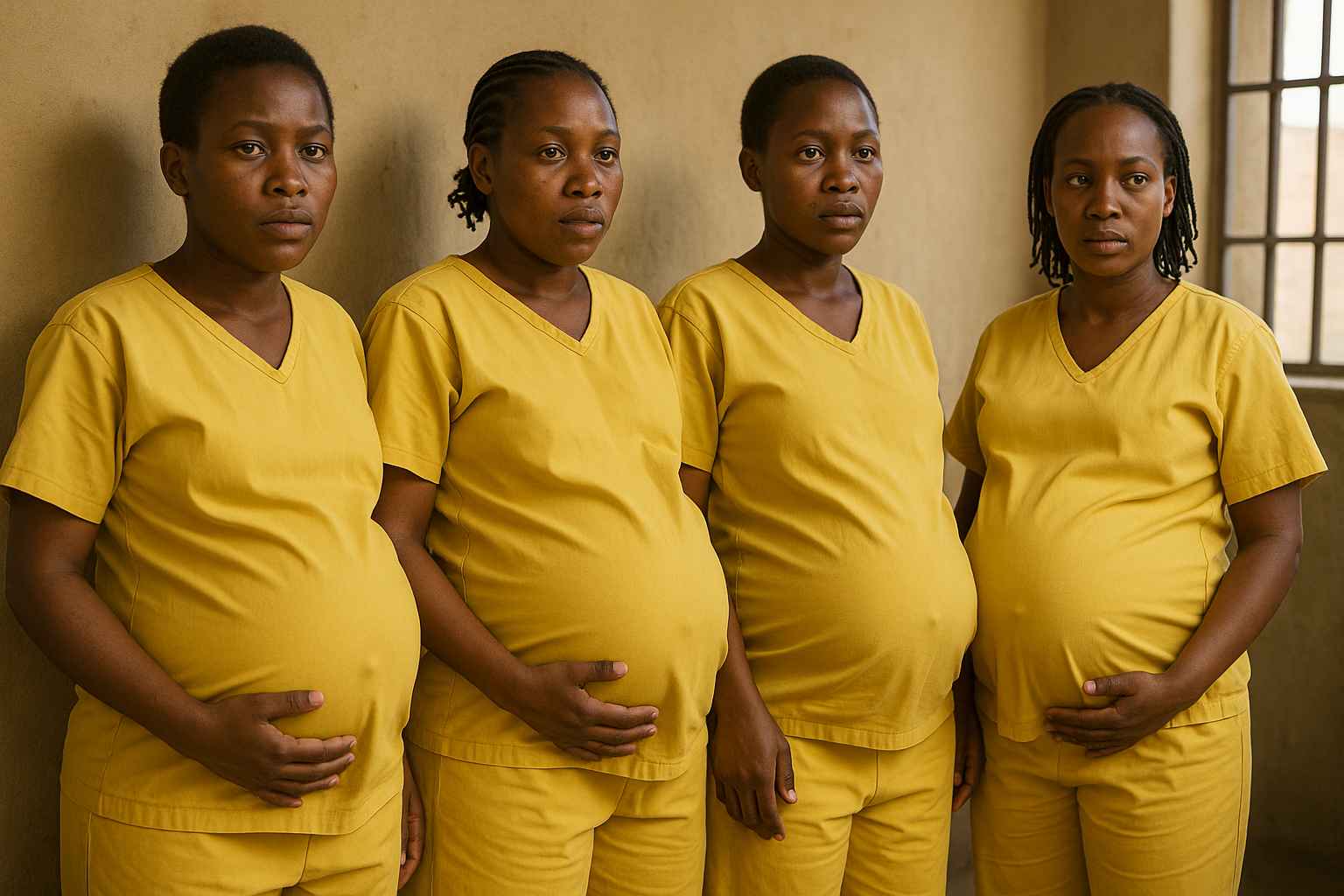
    A shocking scandal has shaken Malawi after reports revealed that a senior prison boss impregnated four female inmates under his watch. The case has drawn wide attention from the public, human rights groups, and government officials, raising questions about how such abuse could take place inside a correctional facility that is supposed to ensure safety and rehabilitation.

    The story began when prison doctors carried out routine medical checks on several inmates. It was during these examinations that four women were confirmed pregnant. The findings shocked both staff and inmates, and soon rumors began to spread. When the women were questioned, they revealed that the pregnancies were linked to a prison boss who had been using his power and authority to take advantage of them.

    Reports say the official offered the women special treatment, lighter duties, and protection inside the prison. In return, he demanded sexual favors. The inmates, already in a vulnerable position, felt they had little choice but to comply.

    News of the scandal quickly reached the public, sparking outrage. Human rights campaigners described it as a betrayal of trust and a serious violation of the law. “Prisoners are some of the most vulnerable people in society. They depend on officers for safety and basic dignity. If the same officers abuse them, then the system is completely broken,” said one activist.

    Social media in Malawi has also been filled with angry comments, with many citizens demanding harsh punishment for the prison boss and greater accountability within the prison system.

    The Malawi Prison Service confirmed that an internal investigation has begun. The Ministry of Homeland Security also promised to take action, saying the case will not be ignored. However, some critics have little faith in these promises. They point to past incidents of abuse within prisons that were quietly covered up and never led to justice.

    For many Malawians, the big question is whether this scandal will be handled differently, or whether it will fade away like similar cases in the past.

    This case has also renewed debate about prison reform in Malawi. Advocacy groups are demanding stronger rules to protect inmates, especially women. They want independent monitoring teams, strict punishments for abusive officers, and regular medical and psychological support for prisoners.

    Women’s rights organizations argue that prisons must introduce clear systems where inmates can safely report abuse without fear of punishment or revenge. They say that unless such measures are taken, cases like this will keep happening.

    The investigation is still ongoing, and the prison boss has not yet been officially named in public. Authorities say they are gathering evidence before moving forward with charges.

    Meanwhile, the four women remain inside the prison, facing not only the challenges of incarceration but also the difficult reality of pregnancy in a place with very limited medical care.

    This scandal has shaken public trust in Malawi’s prison system. Many are now watching closely to see if justice will be done, and if the country’s leaders will finally bring real change to protect those who cannot protect themselves.

  • Youth Give Energy Drink to a Thief So They Can Beat Him Again

    Youth Give Energy Drink to a Thief So They Can Beat Him Again

    In Takoradi, Ghana, a suspected thief faced a shocking ordeal after being caught in the act of stealing. Instead of handing him over to the police, a group of young men decided to deal with him themselves.

    The man was beaten until he became too weak to move. Witnesses say the youths then gave him a bottle of Rush Energy drink to help him recover—only to continue the beating once he regained some strength.

    Photos of the incident quickly spread on social media. One image showed the man surrounded by the crowd while drinking from the bottle. The picture carried a caption that read: “Welcome to Takoradi Ghana, where after beating a criminal, we give him an energy drink so we can beat him again. No place like Taadi.”

    The unusual act has sparked mixed reactions online. While some laughed at the bizarre twist, others strongly criticized the behavior, saying it was cruel and unnecessary.

    The case has once again drawn attention to the problem of mob justice in Ghana, where communities often take the law into their own hands instead of involving authorities. Rights groups warn that such actions deny suspects the chance of a fair trial and can easily lead to extreme violence.

  • Mega Breakthrough: Russia’s Cancer Vaccine Ready for Clinical Use, Free to Patients

    Mega Breakthrough: Russia’s Cancer Vaccine Ready for Clinical Use, Free to Patients

    Russia has launched its first cancer vaccine, which will be given to patients free of charge after showing strong results in early testing.

    The treatment was first developed to fight colorectal cancer and proved very effective. In trials, it reduced tumour growth by 60 to 80 percent and improved survival rates. Researchers also found that repeated doses were safe, with no harmful side effects reported.

    Because of these results, Russian scientists are now working on similar vaccines for other hard-to-treat cancers such as glioblastoma and melanoma.

    Unlike common vaccines that prevent diseases like measles or chickenpox, cancer vaccines work differently. They train the immune system to recognise and attack cancer cells that are already in the body. According to the American Cancer Society, vaccines for some cancers, including prostate and bladder, already exist, but research worldwide is now speeding up to expand their use.

    Cancer vaccines are usually lab-made substances that strengthen the body’s natural defences. Some are designed to stop cancers caused by viruses, such as the HPV vaccine, while others—like Russia’s new vaccine—are built to directly target existing tumours.

    This rollout marks an important step in cancer treatment. It gives new hope to patients and pushes forward the fight against one of the world’s deadliest diseases.

  • Ugandan Billionaire Sudhir Ruparelia to Address Global Leaders at 15th UK–Africa Summit

    Ugandan Billionaire Sudhir Ruparelia to Address Global Leaders at 15th UK–Africa Summit

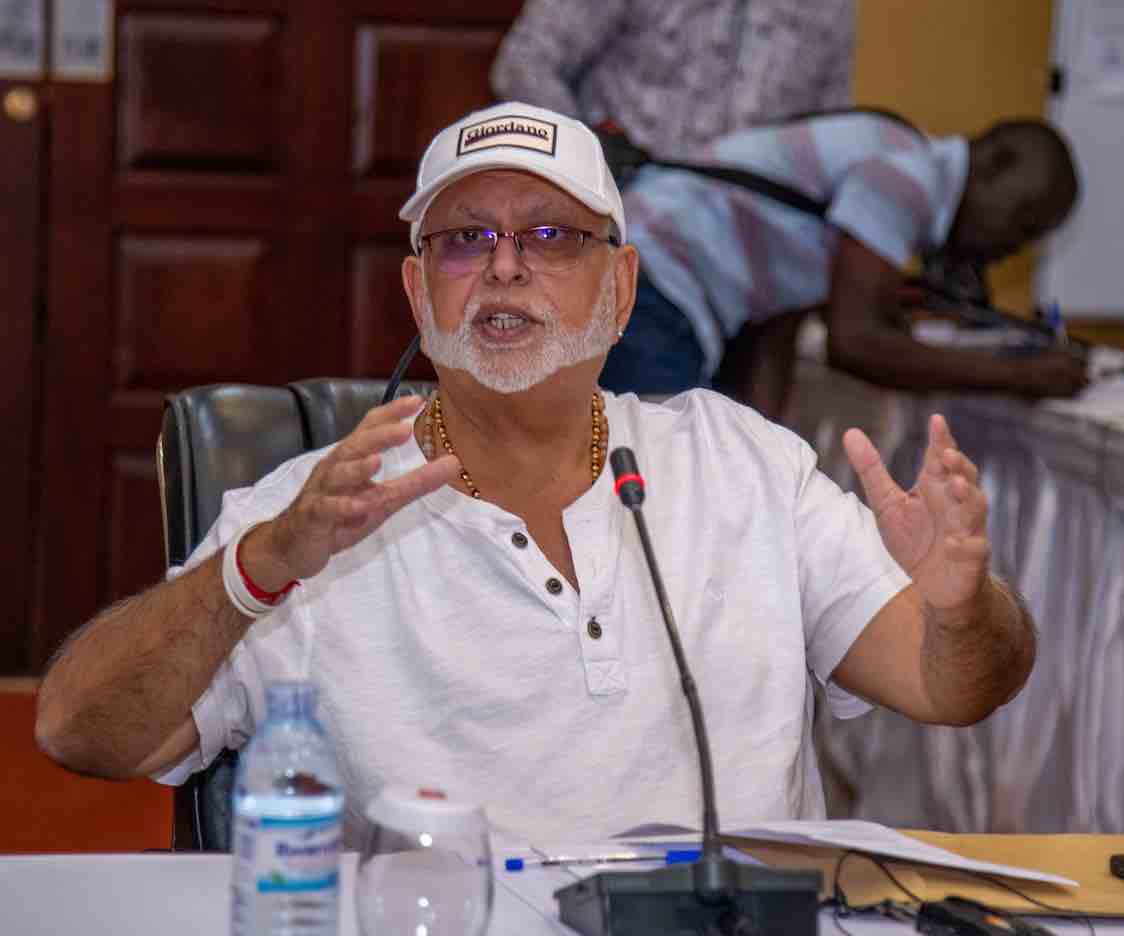
    Ugandan billionaire businessman and philanthropist Dr. Sudhir Ruparelia will take the spotlight at the 15th UK–Africa Business Summit, where he is set to deliver a keynote speech on Friday, September 12, 2025, at the Royal Horseguards Hotel & One Whitehall Place in London.

    The summit, organised by The Promota Africa, has become one of the leading forums for dialogue between African and UK policymakers, investors, and entrepreneurs. Each year it focuses on unlocking trade, driving investment, and promoting sustainable growth across the African continent.

    Dr. Ruparelia, Chairman of the Ruparelia Group, is returning to the summit for the second year in a row, reflecting his rising influence as one of Africa’s most important private sector voices. His presence highlights not only his success as an entrepreneur but also his role in shaping Africa’s economic transformation story.

    With a portfolio that spans real estate, education, hospitality, banking, insurance, agriculture, and media, Sudhir has played a key role in reshaping Uganda’s private sector for more than 30 years. He is also widely respected for his philanthropy, as well as his advocacy for stronger diaspora engagement and policies that encourage African-led investment.

    At the London summit, Sudhir is expected to speak on themes central to Africa’s economic growth. These include expanding enterprises through affordable financing, creating opportunities in ethical agribusiness, and developing resilient urban infrastructure. His contribution is anticipated to blend hands-on entrepreneurial experience with global investor perspectives.

    Uganda’s Strong Representation

    The 2025 summit will bring together a high-level line-up of leaders. Among the international speakers is Professor Luis Franceschi, Assistant Secretary General of the Commonwealth.

    Uganda will also be strongly represented. Confirmed speakers include Deputy Speaker of Parliament Thomas Tayebwa, Finance Minister Matia Kasaija, Treasury Secretary Dr. Ramathan Ggoobi, and Energy Minister Ruth Nankabirwa. Several other cabinet members will present investment opportunities in energy, trade, infrastructure, and finance.

    Senior military and government officials, including Gen. David Muhoozi, Lt. Gen. Joseph Musanyufu, and State Ministers Evelyn Anite, Francis Mwebesa, and Musa Ecweru, are also scheduled to share insights on security, investment, and regional integration.

    Now in its 15th edition, the UK–Africa Business Summit has grown into a trusted platform for creating real business partnerships. The 2025 programme will showcase bankable projects across energy, ICT, agriculture, and financial services, with dedicated sessions designed to connect investors directly with credible ventures.

    The event has the backing of both governments and the private sector, including support from the Uganda High Commission in the UK, the UK Department for Business and Trade, UK Export Finance, and the governments of Uganda, Kenya, and Tanzania. Corporate partners such as Ruparelia Group, EW Properties, and the World Book of Records – London are also lending their support.

    According to the organisers, this year’s focus is on execution—turning ideas into real deals by linking capital with opportunities, strengthening small and medium enterprises, and promoting diaspora-led investments. “The focus this year is on execution—matching ideas with capital and building lasting partnerships that can transform economies,” said The Promota Africa in a statement.

    Dr. Ruparelia’s participation, alongside top government and business leaders, is expected to place Uganda firmly in the global spotlight. For him, it is another chance to champion the private sector as a driver of sustainable growth for Africa.

    The summit will officially open at 9:00 a.m. on September 12, 2025. Interested participants can register at www.ukafricasummit.uk or contact the organisers directly at +44 7868 855 951.