Blog

  • How Dr Sudhir Ruparelia has Built One of Uganda’s Most Influential Business Empires

    How Dr Sudhir Ruparelia has Built One of Uganda’s Most Influential Business Empires

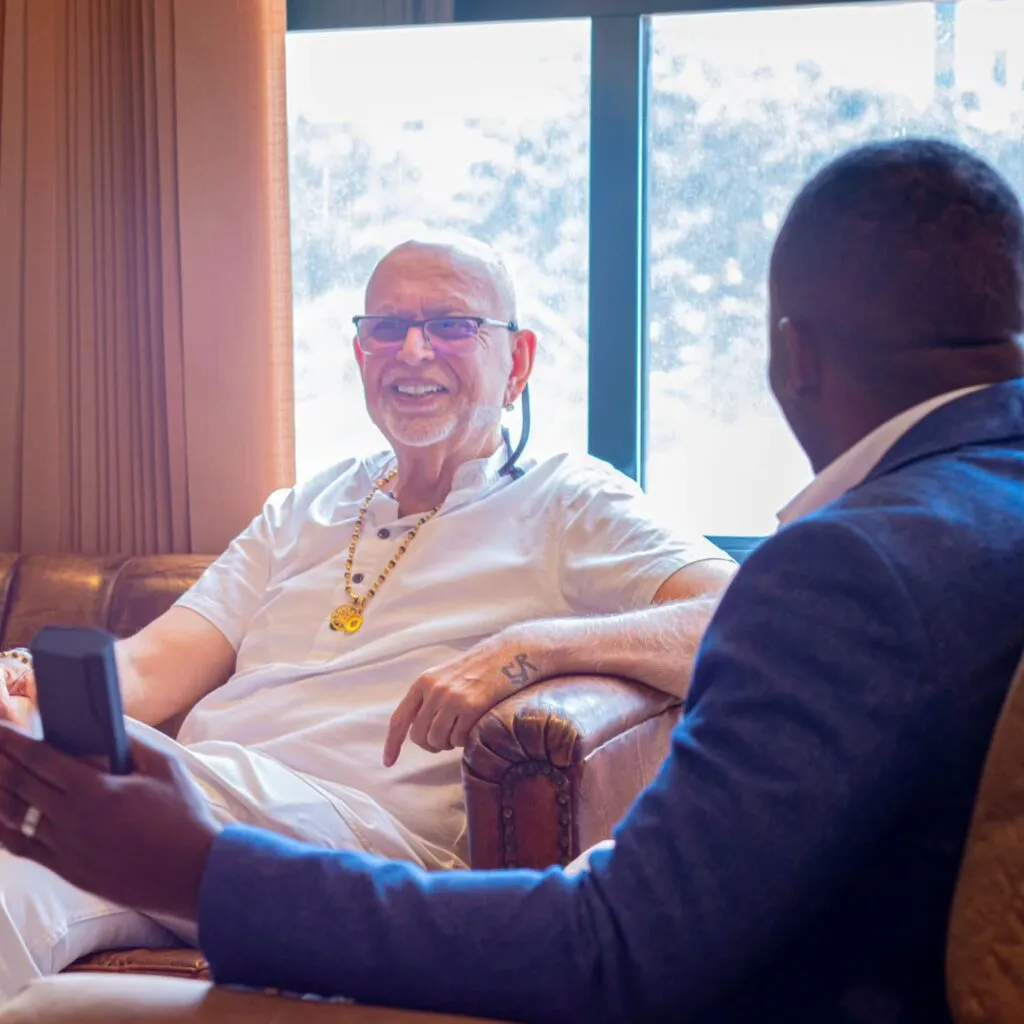
    Dr. Sudhir Ruparelia is one of the most influential figures in Uganda’s business world. As the founder and chairman of the Ruparelia Group, he has built a wide-reaching business empire that spans real estate, hospitality, education, media, and agriculture. His efforts have transformed several industries and played a key role in shaping Uganda’s economy. His journey is a story of hard work, resilience, and vision.

    Born in 1956 in Kabatoro, Kasese District, Dr. Ruparelia grew up in a family from Uganda’s Indian community. His early life changed dramatically in 1972 when Idi Amin’s government expelled Asians from Uganda. His family relocated to the United Kingdom, where he took on modest jobs in factories and supermarkets. Through determination and careful saving, he managed to accumulate about 25,000 US dollars. In 1985, he made the bold decision to return to Uganda — a choice that would define his future.

    Upon his return, Dr. Ruparelia began by importing beer and spirits from Kenya. In 1989, he launched Crane Forex Bureau, the first licensed foreign exchange business in Uganda. His ventures grew steadily, expanding into banking with Crane Bank, and later into real estate, schools, hotels, and agriculture. According to Pulse Uganda, his sharp business instincts and ability to identify opportunity helped him build one of East Africa’s most successful private business groups.

    Today, the Ruparelia Group owns hundreds of properties across Kampala and other cities. It manages leading hotels and resorts, as well as schools such as Kampala Parents School and Delhi Public School International. The group also has major investments in flower farming, broadcasting, and insurance. Company reports show that it employs thousands of Ugandans, contributing greatly to job creation and economic growth.

    Dr. Ruparelia’s achievements have earned him wide recognition. In 2024, the Pan-African Pyramid Global Awards named him Lifetime Achiever in Business Entrepreneurship for his lasting impact on regional enterprise. In early 2025, President Yoweri Museveni presented him with the Distinguished Order of the Crested Crane (Grand Officer) during the 39th NRM/A Victory Day celebrations. Later that year, the Indian Business Forum in Kampala honored him with a Lifetime Achievement Award, and the National Property Awards recognized his influence on Uganda’s real estate sector. Reports from Daily Express and The Standard describe him as one of Uganda’s most honored business leaders.

    Beyond his business success, Dr. Ruparelia is deeply involved in philanthropy through the Ruparelia Foundation. The foundation supports education, healthcare, environmental protection, and community development. His belief that business success should be matched with social responsibility has strengthened his reputation as a leader who truly gives back to society.

    Dr. Sudhir Ruparelia’s story is a powerful example of persistence and vision. From a young man forced into exile to a billionaire entrepreneur shaping Uganda’s skyline, his life shows what can be achieved through determination and enterprise. For many Ugandans, he represents not only success but also the power of business to inspire progress and national pride.
  • Rajiv Ruparelia Remembered in High-Energy Gulu City Memorial Rally

    Rajiv Ruparelia Remembered in High-Energy Gulu City Memorial Rally

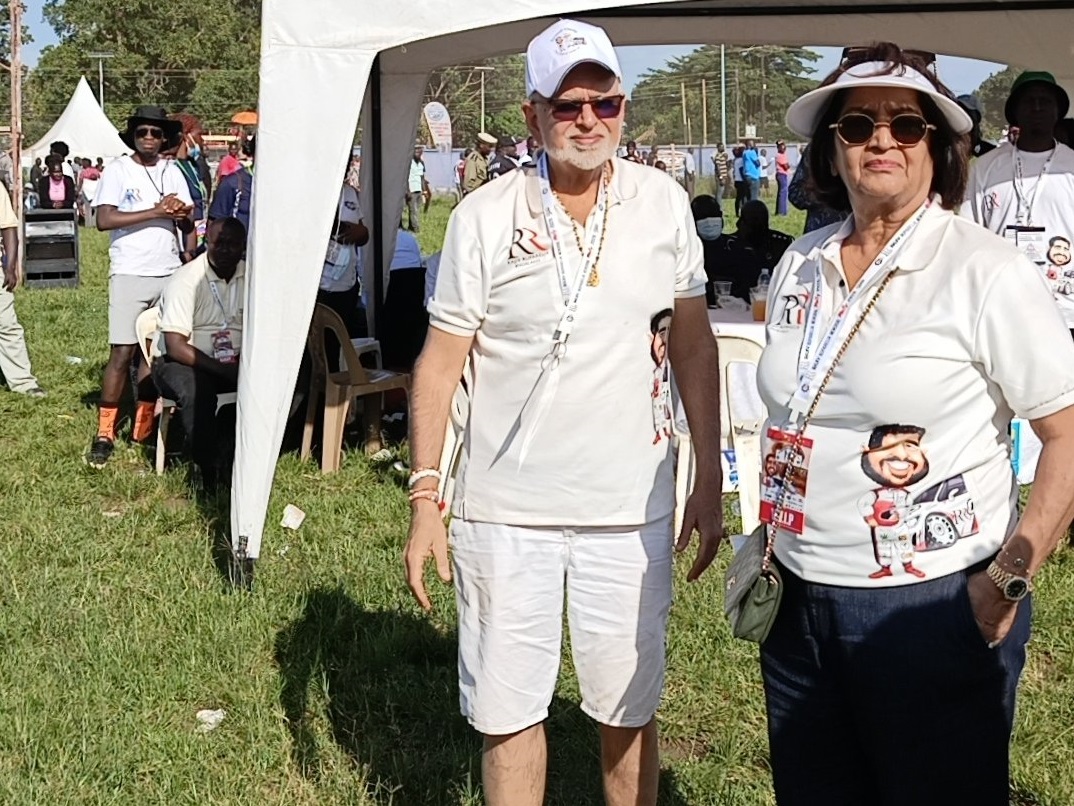
    The sound of engines filled Gulu City as the Rajiv Ruparelia Memorial Rally kicked off on Independence Day. The rally, which is the sixth round of the National Rally Championship, drew huge crowds of fans who came to celebrate the life and passion of the late motorsport enthusiast Rajiv Ruparelia.

    The two-day event, held from October 9 to 11, covers 260.88 kilometers of tough terrain. It combines racing excitement with a tribute to Rajiv, who died in a car crash on May 3 at the age of 34.

    Organized by the Federation of Motorsport Clubs of Uganda (FMU) and the Central Motor Club (CMC), the rally began at Kaunda Grounds. The Gulu City Mayor officially flagged off the race as supporters, sponsors, and officials cheered in excitement.

    A total of 27 crews took part in the competition. Leading the pack were National Rally Championship contenders Ronald Sebuguzi with 241 points and Ponsiano Lwakataka with 235 points, both determined to strengthen their positions as the season nears its close.

    Day One featured challenging stages such as Noblakes (15.01 km) and Wobbly (27.42 km), ending with the popular Super Special Stage at Pece War Memorial Stadium, where fans watched thrilling side-by-side action.

    The mood changed when Ponsiano Lwakataka, a fan favorite, rolled his car and had to withdraw from the race. After Competitive Stage Two, Hassan Alwi Jr. led with a time of 21:02.5, followed by Duncan Mubiru at 21:04.6 and Sebuguzi at 21:15.7.

    Day Two, taking place on Saturday, October 11, promises even more action. Drivers will compete in the Rajiv Ruparelia Power Stage (18.05 km), which offers extra points and could influence the final standings.

    The rally has brought renewed energy and business activity to northern Uganda, running alongside the Gulu City Oktoberfest. Local hotels, restaurants, and traders are benefiting as fans gather at Pece Stadium for the main events.

    Beyond the competition, the rally serves as a touching tribute to Rajiv Ruparelia’s love for motorsport and his generosity. Tree planting and borehole projects were included in the event to honor his dedication to community development.

    “Rajiv was a great mind, a brother, and a father figure who gave more than he ever received,” said close friend Gideon Kirumira during the launch.

    Rajiv’s father, Dr. Sudhir Ruparelia, attended the rally with his wife Jotysna and spoke proudly about his son’s lasting impact. “Rajiv’s legacy will live on through this memorial rally, which promotes motorsports and gives back to the community,” Sudhir said.

    The rally also features major competitive stages such as the Super Special Stage Rajiv Ruparelia (1.96 km), which drivers run twice, and the KCB Bank Stage, expected to play a key role in shaping the National Rally Championship results.

    Among the notable participants are the KCB Bank-sponsored pair Nasser Mutebi and Oscar Ntambi, along with Musa Ssegaabwe, Mathias Kiyegga, Duncan Mubiru, Michael Mukula, Julius Semambo, Jaffer Lukenge, Mansoor Lubega, and Bukenya Roald.

    Gulu City has once again become the center of Uganda’s motorsport excitement, bringing together drivers and fans to celebrate both competition and the memory of a man who inspired the growth of the sport.

  • Clarke Junior School Marks Cultural Day with Music, Dance and Tradition

    Clarke Junior School Marks Cultural Day with Music, Dance and Tradition

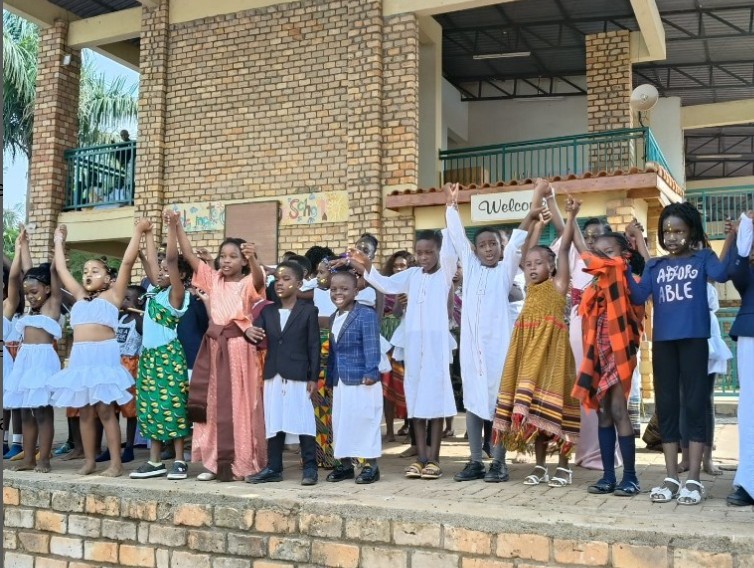
    Clarke Junior School came alive with excitement on Tuesday, 8th, Oct, 2025, as pupils, teachers, and parents gathered to celebrate Cultural Day. The school compound was filled with music, traditional wear and happy faces as learners showcased dances, songs and food from different cultures.

    The Headteacher, Sylvia Muheirwe, while talking to journalists, said the event was meant to remind learners about the importance of diversity and inclusion in education.

    “This is a school that celebrates diversity. Today you can see children from Uganda, Scotland, England, Nigeria, Cameroon and many other countries. We believe that education should be inclusive and help children to learn from one another.” Sylivia Muheirwe said.

    Muheirwe added that the school’s goal goes beyond classroom learning. “Education is not only about what is written in books. We also allow our children to learn through clubs and other activities. When they take part in these experiences, they gain skills that prepare them for the world of work.” She said.

    She explained that every child is gifted in a unique way, noting that the children are all wired differently, with some academically endowed, others gifted with their hands, and some talented in sports.

    “We are all talented differently. Some children are strong in academics, others are creative with their hands, and some are gifted in sports or music. We are looking for the Ronaldos of tomorrow, the dancers, the builders, and the artists. Education should help children grow into complete and confident people.” She said.

    The event featured performances from different regions of Uganda and other countries. Pupils performed dances from the west, Kadodi from the east, and Acholi dances from the north. Others represented Nigeria, Sudan, Scotland, and Italy. Parents clapped and cheered as they watched their children perform with pride.

    The Chief Executive Officer of Clarke Education Group, Sean Clarke, said Cultural Day plays a key role in helping learners understand and respect their identities. “Cultural Day is very important to us because we celebrate our heritage, our individuality and our diversity,” Mr. Clarke said. “We have children from all parts of Uganda and also from other countries. It is wonderful to see them dance and sing with pride.”

    He added that the school wants children to grow with confidence in who they are, noting that sometimes children do not get enough exposure to their traditions at home, so the school sees it as part of its role to provide a holistic education. Allowing learners to dress, sing, and dance in celebration of their traditions helps them develop a sense of identity, confidence, and pride, which are very important.

    As the day came to an end, Muheirwe thanked everyone for making the celebration a success. “Cultural Day reminds us that we are one big family,” she said. “No matter where we come from, we can all learn and live together. That is the spirit we want our children to carry into the world.”

    Understanding Clarke Group 

    Clarke Group Education, founded by Dr. Ian Clarke, is one of Uganda’s well-known education providers, offering quality learning across different schools and a university. The group focuses on giving students a strong academic foundation while also helping them build practical skills, confidence, and a sense of culture. Their goal is to prepare learners not just for exams but for life beyond school.

    The group currently runs Clarke Junior School and Clarke International University in different locations. Each school gives students a chance to learn in a unique environment. They celebrate diversity, encourage children to take part in clubs and activities, and help them discover their talents in academics, sports, music, and the arts. This approach helps students grow into well-rounded and confident individuals.

    Clarke Education Group is also starting a new school, Clarke Senior School, which will open in February 2026. Admissions are now open for Senior One and Senior Two. The first fifty families to enroll will get a ten percent discount on fees, and a few scholarships are still available. The new school will continue the group’s focus on quality education while giving students space to develop both academically and personally.

  • Winifred Nakandi Declares Independent Bid for Nakawa East MP Seat After Being Denied NUP Card for Kampala Woman MP Race

    Winifred Nakandi Declares Independent Bid for Nakawa East MP Seat After Being Denied NUP Card for Kampala Woman MP Race

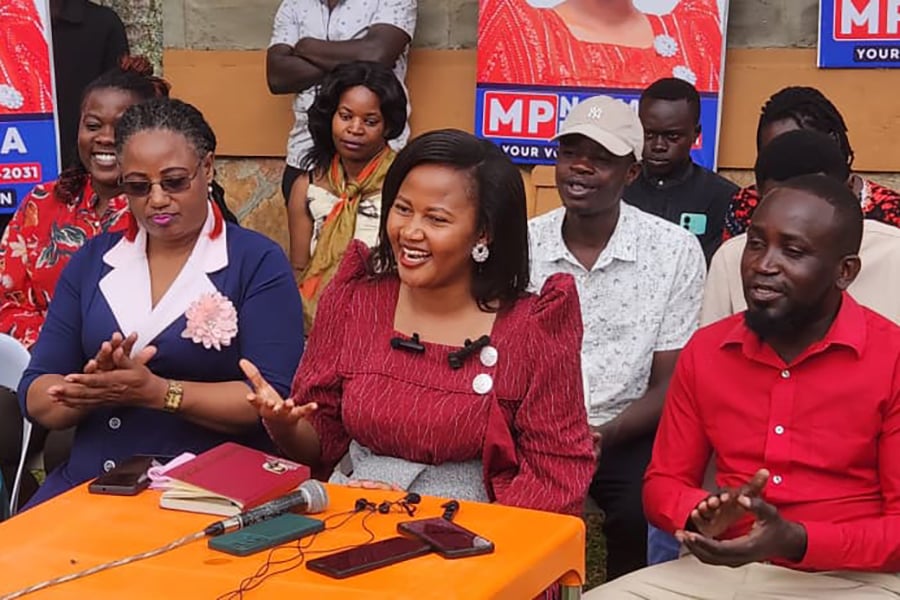
    Kampala, Uganda –Winifred Nakandi has officially announced her decision to contest for the Nakawa East Member of Parliament seat as an independent candidate in the 2026 general elections. Her announcement follows her withdrawal from the National Unity Platform (NUP) race for the Kampala District Woman MP position, citing irregularities in the party’s card allocation and vetting process.

    Nakandi, who previously sought the NUP ticket, made her declaration on Monday, pledging to represent the voices of ordinary citizens. She said her campaign would focus on unity and inclusive socio-economic development for the people of Nakawa East. “I will be a voice for the common person,” she stated, promising to champion the issues that directly affect daily life, from economic hardship to community empowerment.

    Her independent run comes after she officially exited the NUP primaries on September 11, where she was contesting against Shamim Malende, Zahara Luyirika, and Agnes Namagembe for the Kampala Woman MP slot. Nakandi accused the party of conducting an unfair vetting process, though NUP leaders have yet to publicly comment on the matter.

    Nakandi’s entry into the Nakawa East race adds new energy to an already competitive lineup that includes NUP’s Alex Waiswa Mufumbiro and NRM’s Fredrick Ruhindi. The Electoral Commission is expected to begin nominations later this month, setting the stage for a closely watched contest in one of Kampala’s most politically active constituencies.

    Observers say Nakandi’s decision to go independent reflects a growing trend among opposition figures who feel sidelined by internal party disputes. Despite her differences with NUP’s internal process, she has maintained respect for the party leadership and expressed openness to continued collaboration where possible.

    Nakawa East, a dynamic constituency known for its youthful population and rapid urban growth, is expected to draw strong competition as key issues such as unemployment, infrastructure, and local development dominate campaign debates. Nakandi’s platform seeks to connect with voters who are frustrated by partisan politics and eager for practical solutions.

    Her announcement has sparked wide discussion both online and within Kampala’s political circles. Supporters have commended her for standing firm in her principles, while critics have questioned the strength of independent candidates in Uganda’s party-driven political landscape. As campaigning gains momentum, all eyes will be on Nakawa East to see how Nakandi’s independent message resonates with voters.

  • Uganda Destroys 100 Illegal Guns in Jinja

    Uganda Destroys 100 Illegal Guns in Jinja

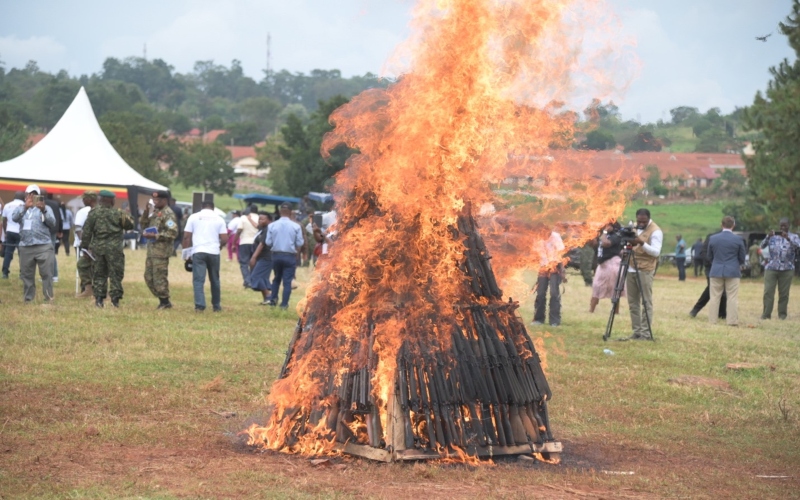
    The Ministry of Internal Affairs, in partnership with the African Union (AU) Peace and Security Council, has destroyed 100 illegal firearms in Jinja as part of activities marking the 9th commemoration of Africa Amnesty Month.

    The exercise took place on Friday at Gaddafi Barracks in Jinja and symbolized Uganda’s continued dedication to peace, disarmament, and regional security. The event was led by the Minister of Defence and Veteran Affairs, Mr. Jacob Oboth Oboth, together with representatives from the AU Peace and Security Council and the United Nations Office on Disarmament Affairs (UNODA).

    Speaking during the event, Mr. Oboth Oboth revealed that nearly 150,000 firearms and light weapons have been recovered across Uganda over the past 25 years through national and regional disarmament operations. He noted that the destruction of the weapons serves as a clear message to criminal elements and demonstrates Uganda’s unwavering commitment to peace and stability both at home and within the East African region.

    Mr. Simon Peter Mundeyi, the Spokesperson for the Ministry of Internal Affairs, said that more than 32,000 illegal firearms have been recovered from communities since 2000, mostly in areas affected by cattle rustling such as Karamoja, Northern Uganda, and the Rwenzori region. He urged anyone still in possession of illegal guns to hand them over voluntarily, assuring that those who surrender them will not face prosecution. The destroyed gun parts will be collected and taken to Nakasongola for recycling.

    Commander Ernest Nuwagaba of the Uganda Rapid Deployment Capability Centre reiterated Uganda’s commitment to the African Union’s “Silencing the Guns” initiative, which seeks to end armed conflict and reduce the circulation of illegal weapons across the continent. He noted that Africa Amnesty Month, first declared in 2017 and extended to 2030, encourages individuals and communities to surrender illicit arms and help promote lasting peace.

    The African Union and the United Nations have also supported similar disarmament campaigns in other African countries, including Liberia and Togo, reflecting a shared global effort to reduce the spread of illegal weapons.

    In Kampala, the commemoration was attended by H.E. Ambassador Tebelelo Alfred Boang of Botswana, who commended Uganda for its consistent role in promoting peace and regional cooperation.

  • Sudhir Ruparelia, Uganda’s Symbol of Wealth and Resilience

    Sudhir Ruparelia, Uganda’s Symbol of Wealth and Resilience

    In Uganda, a country known for its endless sunshine and opportunities, Dr. Sudhir Ruparelia remains one of the most admired and influential figures. His name is recognised everywhere, from government officials at Entebbe International Airport to taxi drivers along Kampala Road. To many Ugandans, he is the man who reshaped Kampala’s skyline and continues to represent business success across East Africa.

    At 69 years old, Sudhir is Uganda’s richest man and one of the continent’s most respected investors. He heads the Ruparelia Group, a vast business empire with interests in real estate, education, finance, hospitality, agriculture, and insurance. His businesses have become a strong foundation of Uganda’s economy, providing thousands of jobs and attracting international investment.

    A Property Empire

    Sudhir is the single largest property owner in Uganda, holding more than 400 prime residential and commercial properties in Kampala and other major towns. His portfolio ranges from modern office towers and shopping centres to luxury apartments and residences. Well-known landmarks such as Crane Towers, Kingdom Kampala Mall, and Speke Apartments have changed the face of the city and turned it into a modern business hub.

    President Yoweri Museveni has often pointed out that the income generated from Sudhir’s real estate projects rivals the value of some of Uganda’s top exports. This shows the scale and influence of his investments on the national economy.

    Hotels and Hospitality

    His name is equally prominent in the hotel industry. The Speke Resort and Conference Centre in Munyonyo, one of his flagship properties, has grown into Uganda’s top venue for major international conferences. It can now host more than 5,000 delegates, making it the country’s first choice for world summits.

    Other hotels in his group include Kabira Country Club, Forest Cottages, Dolphin Suites, and the historic Speke Hotel in central Kampala. These hotels welcome tourists, business leaders, and even world dignitaries. The Ruparelia Group has also moved into regional tourism, developing resorts on the shores of Lake Victoria and setting up luxury safari lodges in western Uganda to promote eco-tourism and attract high-end visitors.

    Banking, Insurance, and Finance

    Sudhir’s business journey began in the 1980s with a small forex exchange business. Over time, he grew into one of the most powerful players in Uganda’s financial sector. His banking, insurance, and investment companies today rank among the strongest private institutions in the country. Through them, he has improved access to financial services and contributed to the growth of Uganda’s capital markets. His work in this area has earned him praise from both policymakers and fellow business leaders.

    Education and Philanthropy

    Education remains the part of his empire that Sudhir is most proud of. Through institutions like Kampala Parents School, Kampala International School Uganda, and Victoria University, he has provided thousands of Ugandan children with access to high-quality learning. These schools are regarded among the most prestigious in East Africa, producing students who go on to compete at international levels.

    Beyond running schools, Sudhir also supports education through sponsorships and scholarships for disadvantaged students. His Ruparelia Foundation extends its support to many other areas, including healthcare, sports, and the environment. During the COVID-19 pandemic, the foundation donated funds and medical equipment to hospitals. It has also invested in programs that support youth entrepreneurship, showing Sudhir’s commitment to building future leaders.

    Wealth and Global Recognition

    By 2025, Sudhir Ruparelia’s fortune is estimated at more than 1.2 billion dollars, placing him among Africa’s wealthiest individuals. International outlets such as Forbes consistently list him as Uganda’s only dollar billionaire. Even with such wealth, he remains closely connected to ordinary Ugandans. He is often seen attending public events and mingling freely with citizens, something that has earned him both respect and admiration.

    A Story of Resilience

    Sudhir’s journey has not been without challenges. As a young boy, he was forced into exile during Idi Amin’s regime. He returned to Uganda years later with only 25,000 dollars and started rebuilding his life. From those humble beginnings, he created an empire that now defines Uganda’s modern economy. His rise is seen as a symbol of resilience, vision, and determination.

    Through his leadership, Kampala has been transformed into a modern city. His businesses have strengthened Uganda’s role in regional trade, hospitality, and investment. He is often described as more than just a businessman. To many, he is a nation-builder, a philanthropist, and an example for young entrepreneurs. His life and message show that with focus, discipline, and love for one’s country, success is possible for anyone who is willing to work for it.

  • Here is Why Dr Sudhir Ruparelia’s Business Empire Is Built to Last

    Here is Why Dr Sudhir Ruparelia’s Business Empire Is Built to Last

    In Uganda, the name Sudhir Ruparelia is almost always linked with wealth and success. For more than two decades, the billionaire businessman has remained firmly at the top of the country’s rich list. Many Ugandans have watched his rise with both admiration and curiosity, and what is clear is that his position is not about to change. If anything, the next twenty years may see his fortune grow even larger, further strengthening his status as one of the most influential business figures in the region.

    What sets Sudhir apart is that he is not only a businessman chasing profits, he is also a careful planner and strategist. The Ruparelia Group, which he founded and leads, is spread across several important industries. These include banking, real estate, education, agriculture, hospitality, and media. These are not just areas that bring in money, they are also key pillars of Uganda’s economy. Because of that, his empire is well protected from sudden economic shocks and changes.

    One of the clearest examples of his foresight is his investment in real estate. Kampala’s cityscape has been transformed by developments linked to Sudhir. From the well-known Speke Apartments to the modern Kingdom Kampala Mall, his properties stand as landmarks in the capital. Uganda’s population continues to grow, and urbanisation is moving at a fast pace. This means that demand for places to live, office buildings for businesses, and commercial spaces for shopping will keep rising. As a result, his properties will keep generating rental income while also gaining value over time, creating both immediate and long-term wealth.

    Education is another area where Sudhir has left a strong mark. Through institutions such as Kampala Parents School, Delhi Public School International, and Victoria University, he has built a reputation for investing in learning. Unlike some businesses that may decline during hard times, education continues to attract demand because families always prioritise the future of their children. Even in difficult economic conditions, Ugandan parents make sacrifices to ensure their children get quality education. This makes Sudhir’s investment in schools and universities one of the most stable sources of revenue within his empire.

    Another major reason for his staying power is his ability to recognise opportunities before others see them. In the 1990s, when the banking sector was opening up, he launched Crane Bank, which grew rapidly and became one of the most trusted local banks at the time. When real estate began to boom, he was among the first to invest heavily, placing himself at the centre of Kampala’s property development. Later, he expanded into tourism and hospitality, setting up a chain of hotels and resorts under the Speke brand, which today attracts both local and international visitors. This pattern of anticipating trends and moving quickly has allowed him to stay ahead while many other wealthy Ugandans have struggled to keep up.

    Some observers believe that wealth is never permanent and that new players will eventually take over. Uganda, after all, is producing more millionaires every year. While that is true, building an empire of Sudhir’s scale requires much more than money alone. It takes networks that are built over decades, an understanding of how markets work, and the patience to allow investments to grow. Sudhir has strong connections with government officials, international financiers, and influential investors. These ties give him a reach and influence that very few of his competitors can match.

    It is also important to recognise that the Ugandan business environment comes with its fair share of risks. Changes in tax regulations, political uncertainty, and global economic shocks all present challenges to entrepreneurs. Sudhir himself has faced difficulties, most notably the collapse of Crane Bank. Yet what makes his story stand out is how he responded. Instead of retreating after that crisis, he reinvented himself, put more focus on other ventures, and expanded his presence in sectors like hospitality and education. This resilience has become one of his strongest traits, proving that setbacks do not define him, but rather push him to adapt and grow stronger.

    Looking at the bigger picture, Sudhir Ruparelia’s empire represents a model for building lasting wealth in Uganda. His approach is not about short-term gains but about diversification, reinvestment, and long-term vision. By spreading his interests across different industries, strengthening them over time, and staying flexible when challenges arise, he has built a foundation that can survive economic storms. Unless Uganda faces an extraordinary crisis that shakes the entire economy, it is very likely that Sudhir Ruparelia will remain the richest man in the country, not just now but for at least the next two decades.

    His story is a reminder that true wealth is not only about making money. It is about planning, patience, and the ability to see opportunities before others do. Sudhir’s empire, shaped over decades, is a clear example of business built to last.

  • Why Sudhir Ruparelia Continues to Dominate Uganda’s Tourism Accolades

    Why Sudhir Ruparelia Continues to Dominate Uganda’s Tourism Accolades

    By Mike Ssegawa

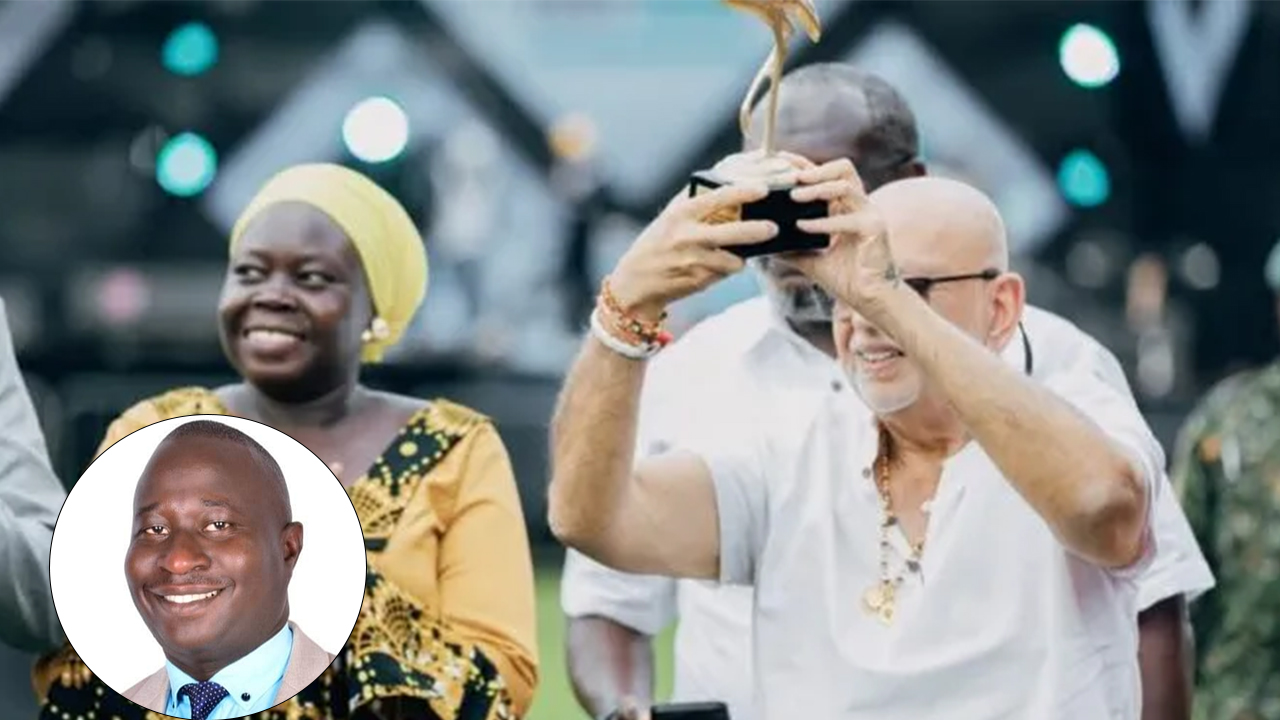
    When Prime Minister Robbinah Nabbanja handed Dr. Sudhir Ruparelia the Golden Flamingo Trophy during World Tourism Day celebrations in Arua last week, it was more than a personal honor. It was a recognition of how private entrepreneurship, conservation advocacy, and national ambition intersect in Uganda’s tourism sector.

    Ruparelia, Uganda’s wealthiest businessman and chairman of the Ruparelia and Speke Groups, has long been a fixture in the country’s hospitality industry. His hotels dominate Kampala’s skyline, his convention centers host global gatherings, and his philanthropy supports wildlife conservation projects. This latest accolade follows years of similar recognition, highlighting how he has positioned himself as both investor and advocate for Uganda’s tourism story.

    Hotels that Redefined the Market

    Uganda’s tourism industry, long known for its wildlife attractions, needed the right infrastructure to grow. Ruparelia’s Speke Group of Hotels filled that gap. Speke Resort Munyonyo, Speke Hotel Kampala, Kabira Country Club, and a range of apartments have set new benchmarks for accommodation, offering everything from luxury suites to long-stay residences.

    These facilities are more than beds and conference halls; they anchor Uganda’s push into the Meetings, Incentives, Conferences and Exhibitions (MICE) market. The Speke Resort Convention Centre, built in partnership with government, has expanded Uganda’s ability to host international summits, a vital sector that draws high-spending visitors and boosts the country’s profile.

    Industry analysts credit Ruparelia’s properties with creating thousands of jobs and helping tourism contribute close to 10 percent of Uganda’s GDP. The Uganda Tourism Board’s hotel grading exercise consistently places his properties at the top, reinforcing his reputation as the sector’s leading private investor.

    A Conservationist with a Businessman’s Touch

    But Ruparelia’s influence goes beyond bricks and mortar. For years, he has aligned his investments with conservation and eco-tourism—areas increasingly central to Uganda’s tourism brand.

    In 2018, he became a lifetime guardian at Ngamba Island Chimpanzee Sanctuary, and during the COVID-19 lockdown, he donated funds to help feed the primates. He has also supported the Uganda Wildlife Education Centre, including sponsoring the translocation of rhinos. In 2022, the Ruparelia Foundation received the Conservation Education Award at UWEC’s 70th anniversary, cementing his status as a private champion of wildlife protection.

    Tourism officials say such gestures matter. “His vision has set a global standard,” one remarked during the Golden Flamingo ceremony in Arua, praising how conservation efforts have boosted eco-tourism while strengthening Uganda’s international image.

    The Wider Sector: Growth with Challenges

    Ruparelia’s awards reflect more than personal achievement—they capture a moment in Uganda’s tourism industry. After pandemic setbacks, the sector has rebounded strongly, recording record revenues in 2024 and early 2025. Visitor arrivals are climbing, buoyed by business travel, improved regional marketing, and continued interest in gorilla trekking and national parks.

    Tourism now ranks among Uganda’s largest foreign exchange earners. Yet challenges remain. Roads to major attractions remain underdeveloped, domestic air travel is limited, and regional competitors like Kenya and Rwanda invest heavily in global promotion. Security, conservation financing, and community benefit-sharing remain constant policy debates.

    Against this backdrop, investors like Ruparelia provide both opportunities and points of discussion. His scale of investment has helped Uganda compete in the high-end market, but it also raises questions about inclusivity: how much of the tourism dividend reaches local communities, and how should government regulate sustainability standards?

    Why the Accolades Keep Coming

    Three factors explain why Ruparelia keeps topping award lists. First, his projects have scale and visibility, ensuring they deliver measurable economic impact. Second, his conservation philanthropy aligns with Uganda’s sustainable tourism narrative. And third, his strategy fits seamlessly into government priorities of boosting MICE tourism and fostering public-private partnerships.

    As Deputy Speaker Thomas Tayebwa noted in 2022, “Your passion and leadership in hospitality and tourism development are unmatched.” It is this dual role—business leader and sector advocate—that ensures his recognition remains constant.

    Looking Ahead

    Uganda’s tourism industry stands at a crossroads. The government is eyeing ambitious growth targets, from increasing annual visitor numbers to doubling foreign exchange earnings. To succeed, it will need both infrastructure and sustainable practices.

    Here, Ruparelia has pledged continued investment. In his acceptance speech for the Golden Flamingo Trophy, he promised to expand hotel capacity, support wildlife programs, and deepen partnerships with government. His foundation also continues to channel funds into education and community initiatives, indirectly supporting tourism development.

    The question is whether Uganda can leverage such private leadership to achieve sector-wide transformation. That will require blending corporate investments with public policy reforms, expanding infrastructure, and ensuring tourism revenues benefit surrounding communities.

    Legacy in the Making

    From the Lifetime Tourism Achiever Award at the Ekkula Pearl of Africa Tourism Awards in 2019, to the Best Tourism Investor Award in 2021, to this year’s Golden Flamingo Trophy, the pattern is clear: Dr. Sudhir Ruparelia has carved out a unique place in Uganda’s tourism journey.

    His hotels remain industry benchmarks. His conservation support continues to inspire. And his visibility at national events makes him both symbol and stakeholder in Uganda’s tourism ambitions.

    As Uganda seeks to balance growth with sustainability, one thing is evident: figures like Ruparelia will remain central to the story. The accolades, it seems, are not just about personal achievement—they reflect a broader vision of Uganda’s tourism potential, and the enduring role of private leadership in making the “Pearl of Africa” shine brighter on the global stage.

    📌 Mike Ssegawa is a Ugandan journalist with over 15 years of reporting about East Africa’s Tourism sector. 
  • Billionaire Sudhir Crowned with Golden Flamingo at Uganda’s World Tourism Day in Arua

    Billionaire Sudhir Crowned with Golden Flamingo at Uganda’s World Tourism Day in Arua

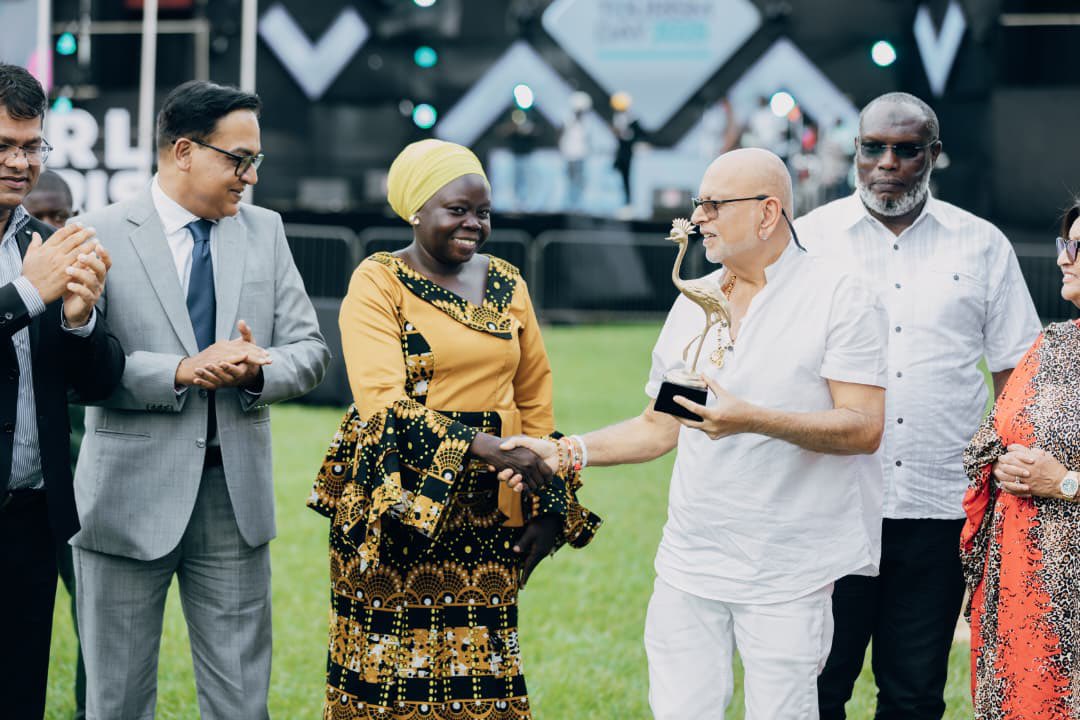
    Ugandan businessman Sudhir Ruparelia, the Chairman of Speke Group of Hotels and the Ruparelia Group, has been recognised for his remarkable impact on the country’s tourism and hospitality industry.

    The award was given to him on September 27, 2025, during the World Tourism Day celebrations held in Arua City. The national event was officially led by Prime Minister Robinah Nabbanja.

    Sudhir, well known for his long-term support of wildlife conservation and eco-friendly tourism, received a golden flamingo trophy. The trophy stood as a symbol of his efforts to safeguard Uganda’s environment while positioning the country as a major travel destination worldwide.

    The function took place at the Arua City Golf Course, where leaders from government, foreign dignitaries, tourism players, and members of the community gathered. This year’s celebrations were guided by the international theme, Tourism and Sustainable Transformation.

    During the ceremony, Prime Minister Nabbanja applauded the Ministry of Tourism, Wildlife and Antiquities for its continuous work in growing the sector. She also highlighted the role of private investors such as Sudhir, saying their contributions had transformed Uganda’s economy. She noted that tourism remained one of Uganda’s strongest development pillars and stressed that investors like Dr Sudhir had uplifted hospitality while advancing wildlife protection and empowering communities.

    Sudhir’s award comes after decades of dedication to tourism, hospitality, and conservation. His investments have revitalised national parks, encouraged eco-tourism, protected endangered wildlife, and created livelihoods for many Ugandans. Under his leadership, Uganda has gained stronger visibility as a preferred tourist destination, greatly contributing to national income.

    This recognition further secures Sudhir Ruparelia’s place as a central figure in Uganda’s journey toward sustainable tourism.

  • Ugandan Journalist Simon Kaggwa Njala Shares Special Bond With Nurse After Hospital Visit- “I Can’t Wait to Get Sick Again”

    Ugandan Journalist Simon Kaggwa Njala Shares Special Bond With Nurse After Hospital Visit- “I Can’t Wait to Get Sick Again”

    KAMPALA – Ugandan journalist Simon Kaggwa Njala has amused social media users after sharing a light moment he experienced during a hospital visit.

    Posting on his X account, Njala said: “So I go to hospital this morning and I’m assigned to a beautiful doctor. After all the examination, I pick the guts to start a casual chat. I start from complimenting her beautiful handwriting, guessing the school she attended (TRICONA). She’s so excited, puts the pen down and we start ekiboozi about traditional schools, parenting, business, marriage and the kind of kids we want.”

    He explained that the conversation lasted nearly an hour even as patients waited outside.

    “45 minutes later, with patients waiting outside, she begrudgingly says bye to me promising to take it up from there. I actually feel healed already. I can’t wait to get sick again,” he wrote.

    The post has since gone viral, with many Ugandans reacting humorously to Njala’s story, saying he may have found more than just treatment during his hospital visit.